Smart Agriculture Farming: A Farmer’s Future?
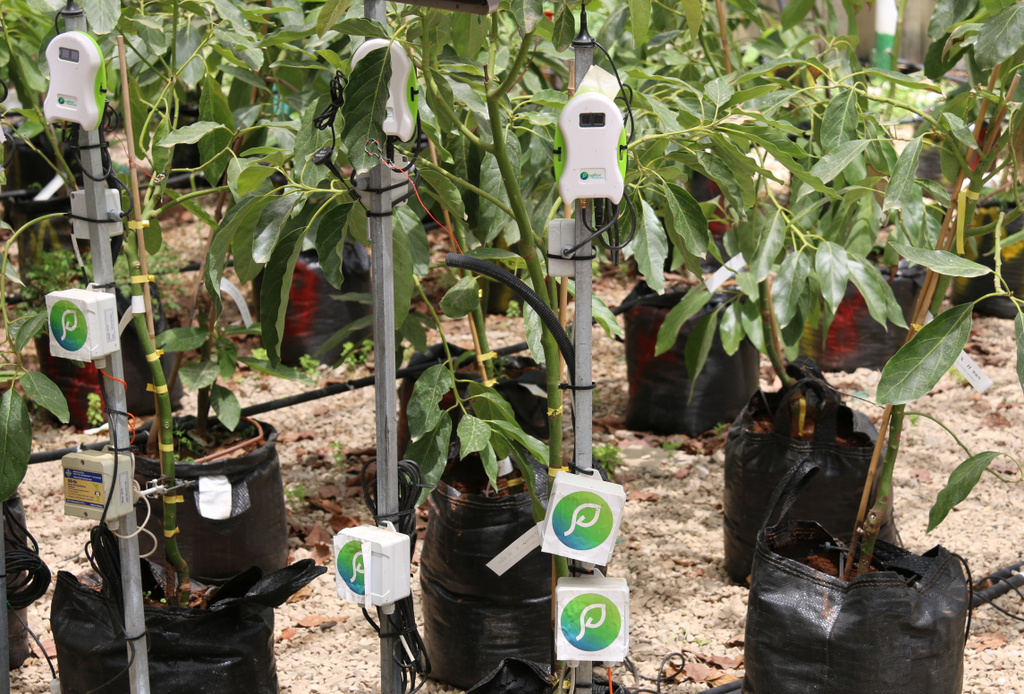
In 2050, the population of the earth is expected to have exploded to 9.6 billion. Additionally, with the rise of extreme weather events under climate change and the decrease of arable land due to erosion, it has become increasingly crucial for farmers to become as efficient as possible. Smart agriculture farming is one solution to this problem. Through the utilization of modern technology, this can soon become a reality for many farmers residing in third world countries.
Smart Agriculture Farming
Smart Agriculture, also known as precision farming, is defined as the utilization of modern technologies, including:
- The IoT (internet of things)
- Soil scanning
- GPS
- Data management
All these innovations improve both the quality and quantity of agricultural goods. By having access to real-time data about the state of their crops, farmers can easily monitor the health of their fields. They can also maximize the effectiveness of resources such as water, pesticide and fertilizers. For example, in a smart agriculture regulated field, pesticide usage can be made custom to each corner of the plot, as opposed to the entire field or even farm.
Current Usage Status
Currently, precision farming occurs primarily in the developed world. North America, with 37.34 percent, has the lion’s share of the global smart agriculture farming market. Progress has been slower in developing countries, largely because of nonprofits funding pilot projects, such as the World Bank, rather than business venture capitalists. Presently, the largest smart agriculture provider in third world countries is PAD (Precision Agriculture for Development). The provider operates labs and partnerships in:
- India
- Kenya
- Pakistan
- Rwanda
- Ethiopia
- Uganda
- Bangladesh
PAD has ambitions to improve the livelihoods of the 100 million smallholder farmers across the developing world by providing them with customized information about the local geography, climate and more.
Positive Impacts
By increasing the efficiency of the application of fertilizers and pesticides onto crops, the positive impacts of smart agriculture can easily be measured. For instance, an Iran case study revealed that the application of smart agriculture farming reduced input costs. Positive environmental impacts were also recorded. For example, 90.7 percent of the time when precision agriculture was utilized, energy sources were conserved. Furthermore, an impressive 99.2 percent of the time, underground and surface water consumption decreased. The case study also saw an increase in terms of economic prosperity, with 99.1 percent of smart agriculture ventures increasing profitability.
Future Directions
Smart agriculture is moving today at an increasingly rapid speed. It is a part of the movement that is ushering in what many are beginning to call the Third Green Revolution. Currently, the most exciting aspect of precision farming that is in the works is perhaps the usage of agricultural drones.
Through a combination of aerial imaging and near-infrared viewing, farmers can now easily survey the conditions of their crops. Some of these drones, such as the DGI AGRAS MG-1, are even capable of the custom SMALL-SCALE application of fertilizers and pesticides.
In recent years, a similar industry, precision livestock farming, has also sprung up. Similar to the systems found in precision agriculture, precision livestock farming is generally defined as the continuous management of the health, production/reproduction, the welfare of farm animals and their environmental impact through automation.
Smart agriculture farming has helped greatly increase efficiency and profitability for many farmers in both the developed and developing world. Today, it is taking on exciting new directions and there is no telling what the future holds for it.
– Linda Yan
Photo: Wikimedia
