Five Facts About the 2018 USAID Initiatives
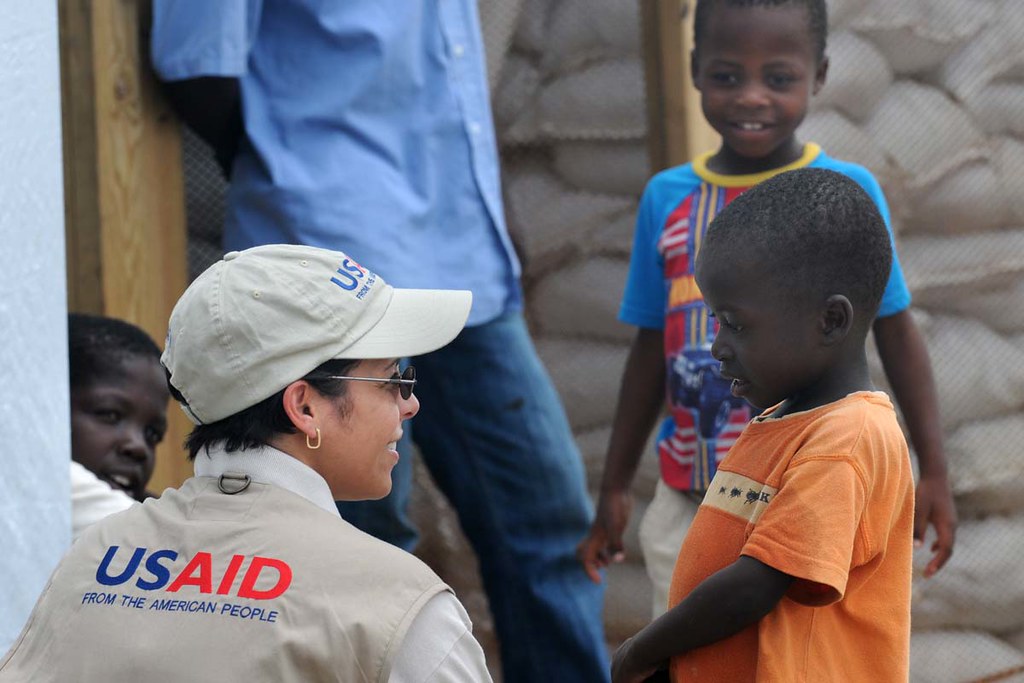
The 2018 USAID initiatives included many successful programs to combat global poverty. Certainly, USAID plays a fundamental role in addressing the needs of the developing world through programs that rebuild infrastructure, increase agricultural diversity and reduce crime rates. Here are five facts about USAID’s accomplishments in 2018.
Five Facts About USAID’s 2018 Accomplishments
- Food For Peace – In 2018, the USAID Office of Food For Peace provided assistance to 76 million people in 59 countries. It accomplished this through cash transfers, food vouchers, cooperation with regional and local institutions and other services. Food For Peace donated 254,275 metric tonnes of development food assistance. Additionally, the initiative donated 2,244,815 metric tonnes of emergency food assistance. Food For Peace spent $350 million on development programs designed to directly combat poverty. Furthermore, Food For Peace implemented initiatives related to the improvement of agricultural practices and child nutrition in Guatemala.
- AIDS Relief – The United States President’s Emergency Plan for AIDS Relief (PEPFAR) saw great progress in 2018. With the support of the U.S. government, PEPFAR’s work even placed 13 countries with high rates of HIV on the path to controlling their epidemics by 2020. In 2018, the organization expanded vital AIDS treatment to reach 14 million people. Just over six million children orphaned or affected by AIDS received support from PEPFAR. Furthermore, 250,000 health workers received training and were able to go to the countries that needed their help the most.
- Access to Assistive Technology – In July 2018, USAID instituted ATscale: A Global Partnership for Assistive Technology. USAID intended ATscale to increase global access to assistive technology like hearing aids and wheelchairs. ATscale’s goal is to provide assistive technology to 500 million people by 2030 through partnerships with the U.N., the WHO and others.
- Central America – Another fact is that several 2018 USAID initiatives focused on Central America. Currently, USAID investments are a source of funding for a restructuring of El Salvador’s tax system. Another USAID program provides job training to young adults in Guatemala. USAID cooperates with the State Department to provide community programming that reduces crime rates.
- Aid Transparency – In June 2018, USAID introduced its 2018 Aid Transparency Index. This index, run independently of USAID, will make aid data visible to the public. No other development agency has undertaken a measure like this. Consequently, by making data about its spending available, USAID will be more likely to receive increased support for its initiatives, especially ambitious ones such as the Sustainable Development Goals.
Overall, in 2018, USAID involvement was a positive force for the citizens of many countries throughout the world. The U.S. International Affairs Budget funded countless 2018 USAID initiatives that served a multitude of purposes. For example, treating AIDS in Africa or assisting farmers in Central America. Although the projects that USAID funds are diverse, they share a common purpose: to create a more peaceful world. To encourage continued congressional support of USAID, U.S. voters can contact their representatives here.
-Emelie Fippin
Photo: Flickr
