Humanitarian Assistance in Afghanistan
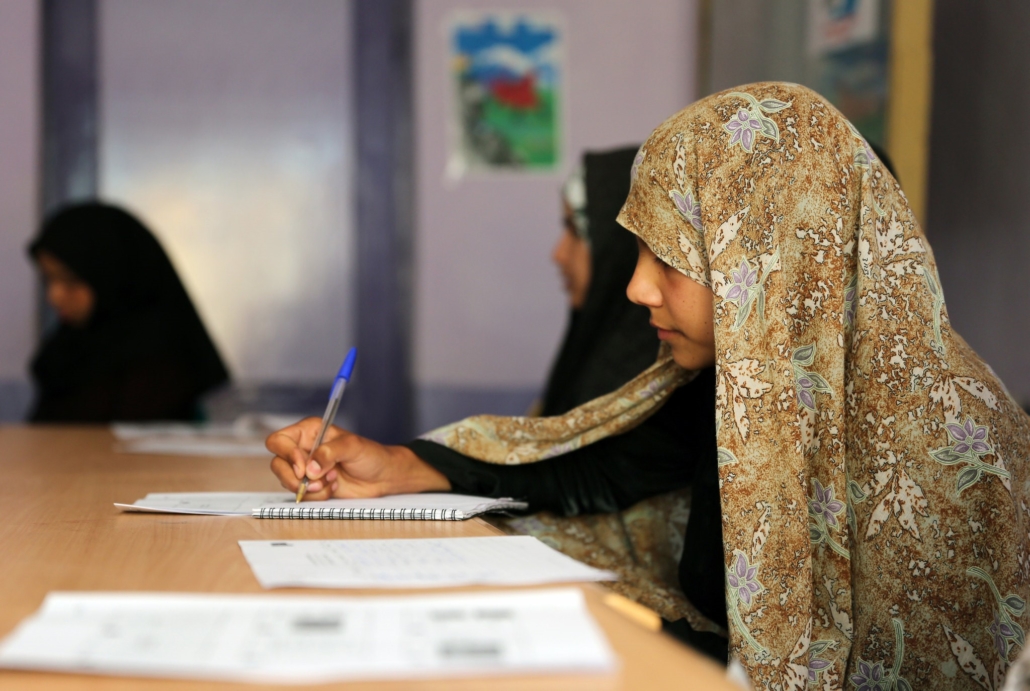
Hardship and struggles have been reoccurring for Afghanistan and its residents for several years. Afghanistan’s civil war broke the country, but it has been attempting to rebuild. Afghans have been working to begin their lives again and be able to provide for their families. Luckily, there is some humanitarian assistance in Afghanistan helping the country get back on its feet.
Issues and Conflicts
At the close of March, the United States announced an additional $61 million in humanitarian assistance in Afghanistan. This assistance will work to provide for communities that have been affected the most, such as displaced persons, returning refugees and Afghan refugees located in the region. Afghans initially fled their country because of the ongoing conflict and the very frequent natural disasters. Natural disasters include landslides, flash-floods and avalanches. Afghanistan has been dealing with these humanitarian issues and natural disasters for at least 17 years. The $61 million in humanitarian aid assistance will fund emergency food assistance, nutrition services, hygiene kits, safe drinking water, access to latrines and protection.
In 2001, the United States Agency for International Development (USAID) began working on the stability operations project, which others know as the nation-building project. No matter the name, the goals were the same. USAID was to bring peace and stability to conflicted areas of the country, repair institutions and infrastructure, establish functioning government services and build the country to endure long-term success. For the first year of the nation-building project, the lack of security, fragility of government institutions and lack of agreement caused progress to be slow and complex. In 2002, progress took a turn for the better. USAID’s humanitarian assistance in Afghanistan included work towards the country’s poor infrastructure, lost generations, refugees, Afghanistan’s limited government and its low literacy rates.
The Progress
USAID’s progress in Afghanistan is what follows:
- Afghanistan children are in school today. Millions of children are receiving an education, including girls.
- The country has expanded primary health care. This has resulted in reduced maternal and under-five infant mortality rates.
- Life expectancy has improved. Life expectancy has risen from 41 years of age to 61 years of age.
- USAID is helping the country build new infrastructure including highways, secondary roads, irrigation systems, schools and clinics.
- USAID is also helping provide the country with electricity. Initially, only five percent of the country had electricity. Now, 33 percent of the country has electricity.
- The country now has a functioning government. Amidst all of the progress USAID and Afghans are making in Afghanistan, USAID launched the first stabilization program in 2002. The point of this program was to “support the U.S. military’s “clear, hold and build” approach to counterinsurgency in areas designated key terrain districts.” What was initially supposed to be long-term programming to aid Afghans and Afghanistan turned into quick-response, quick-impacted programs.
The Programs
USAID’s four implemented programs are as follows:
- Stabilization in Key Areas: USAID designed this program to promote good governance and service delivery. The projected outcomes of this program include the construction of infrastructure projects and making sub-national governments more efficient.
- Afghanistan Vouchers to Increase Production: This program includes a focus on agriculture in Afghanistan. USAID created the program in order to increase the incomes of Afghan farmers and expand their opportunities. As of 2018, USAID facilitated over $201.4 million in domestic and international sales of agricultural goods, supported over 190,000 households with agricultural interventions, supported more than 2,200 agricultural enterprises, created 3,365 full-time jobs and rehabilitated irrigation canals.
- Afghanistan Social Outreach: The country’s social outreach programs work to develop community councils. These councils will consist of 30 to 50 people and be a platform for local needs.
- Strategic Provincial Roads: This program focuses on infrastructure, electricity and potable water. As of 2018, USAID partnered with the U.S. Army Corps of Engineers which will provide engineering services for the North East Power Systems and South East Power Systems. Also, 380 kilometers of a 220 kilowatts transmission line is being constructed so electricity can reach southern Afghanistan.
With the additional humanitarian assistance for Afghanistan from USAID, these programs and initiatives will have more support, which will lead to the opportunity to make changes and implementations when, and where, needed.
– Lari’onna Green
Photo: Flickr
