Top 10 Facts About Living Conditions in Monaco
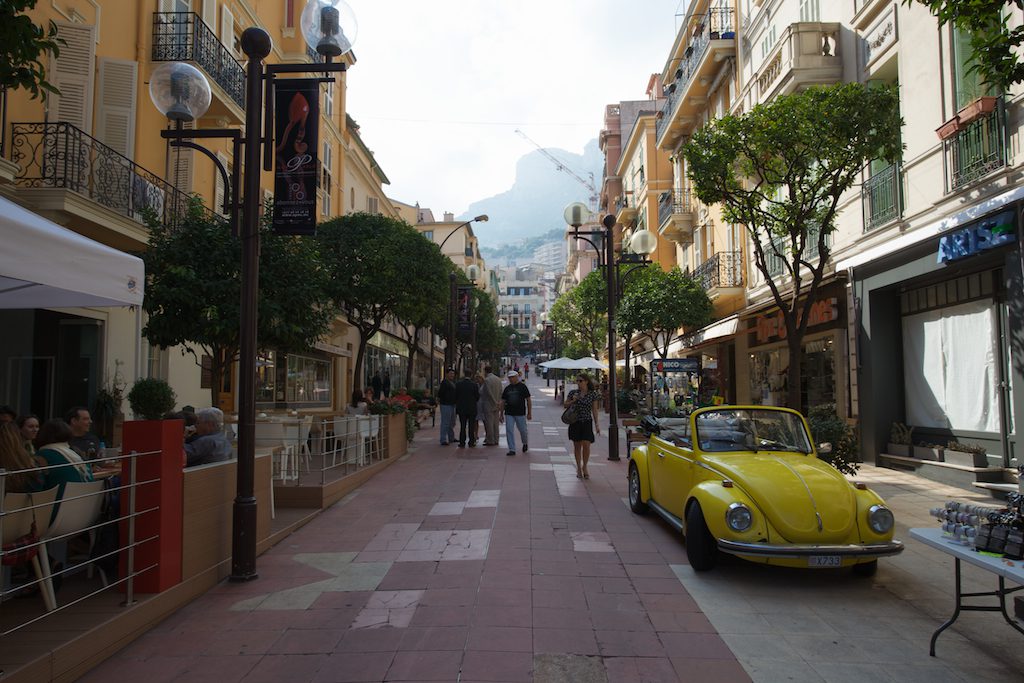 Monaco, a small sovereign principality on the French Mediterranean coastline, is famous for its exceptional beauty, mild climate, and wealth. France surrounds Monaco on three sides and the Mediterranean Sea surrounds the other. Monaco is just 10 miles from the northern border of Italy. Monte Carlo, the state’s main district, is a popular luxury tourist destination and home to high-profile cultural staples like the Formula One Monaco Grand Prix, the Hotel de Paris and the Casino de Monte-Carlo. The principality is the second smallest independent state in the world after the Vatican and roughly the size of New York City’s Central Park. Home to about 39,000 people, Monaco is one of the richest nations in the world.
Top 10 Facts About Living Conditions in Monaco
- The principality is governed by a hereditary constitutional monarchy with Albert II of the Grimaldi family, the current Prince of Monaco, at the helm. The Grimaldi family has been in power since they took over the region in 1297 and exercised absolute control until the nation’s first constitution was drafted in 1911. They celebrated 700 years of rule in 1997. Monaco’s second constitution, drafted in 1962, outlines the power of the executive, legislative and judicial branches and reinforces a shift of power from the family onto the state.
- Monaco does not levy personal income, capital gains, property or wealth taxes on its residents. Its business taxation policies are relatively lenient. This has turned the city-state into a tax haven for the wealthy, incentivizing the world’s richest people to buy property and establish businesses in Monaco.
- Because Monaco’s tax policies attract the world’s richest, the per capita income in Monaco is among the highest in the world, estimated at about $161,000 per year. Monaco has the highest concentration of millionaires and billionaires in the world.
- Real estate in Monaco is the most expensive in the world. In 2016, property sold for an average of $45,360 per square meter. These prices are significantly greater than in Hong Kong ($42,840) and Tokyo ($39,100), both famous for their expensive real estate.
- Less than a quarter of Monaco’s 38,000 residents are citizens. The vast majority of people in Monaco are wealthy foreigners. Many Monaco natives are not wealthy and must rely on government subsidies in order to afford to remain in Monaco. It is nearly impossible for foreigners to become citizens, so government subsidies are tailor-made to support Monaco natives.
- The unemployment rate is estimated at 2 percent, one of the lowest in the world. The Prince of Monaco guarantees every resident of Monaco a job, and the most popular industries among residents are tourism, finance and insurance. The region is also a hot-spot for research, with many residents working in the research industry.
- Education is mandatory for every child in Monaco and is provided for free by the Department of Education. Monaco’s literacy rate stays consistent at 99 percent. About 70 percent of Monaco’s students attend a public institution, while the rest attend one of several private schools in the region.
- Every worker in Monaco pays into the public healthcare system, and as a result, every contributor is reimbursed for the majority of their medical costs. Plus, with about 581 doctors per 100,000 people, Monaco has one of the highest concentrations of doctors in the world. Abundant sources of funding and doctors make healthcare in Monaco excellent, reflected in Monaco’s average life expectancy of 89.5 years.
- Crime in Monaco is very rare, and Monaco’s police force, consisting of 515 people, makes it the largest police force per-capita and per-area in the world. Monaco is one of the safest places in Europe and earned the nickname of “the safest square mile in Europe.”
- Monaco has the lowest poverty rate in the world. By attracting the world’s richest people, the state effectively eradicated poverty.
Monaco’s paradisal and business-friendly reputation attracts money from all over the world, causing its economy and residents to prosper. As a result, the living conditions in Monaco are unparalleled, and poverty is nonexistent in the state. A mix of political stability, low unemployment, low crime, high-quality health care and government assistance programs maintain Monaco’s high standard of living. As long as these aspects of Monaco endure, the phenomenal living conditions in Monaco should persist.
– Jillian Baxter
Photo: Flickr
