Reinvent the Toilet: Improvements in Sanitation and Hygiene
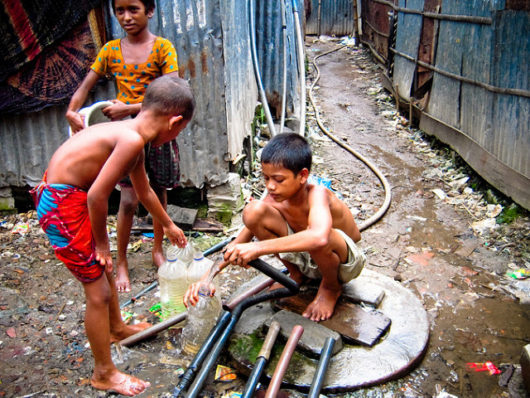
In November 2018, The Bill and Melinda Gates Foundation hosted the Reinvented Toilet Expo in Beijing. The Expo was the latest iteration of the Reinvent the Toilet challenge that was started in 2011 to help bring clean, safe sanitation to millions of people living in poverty in the developing world. The expo unveiled the world’s first pathogen killing toilet along with small-scale wastewater treatment plants ready for sale to both private and municipal entities. Innovations showcased at the Expo have the potential to greatly decrease human and economic losses because they provide improvements in sanitation and hygiene.
The Importance of Sanitation and Hygiene
Unlike most modern toilets, where waste is flushed away with water, these reinvented toilets separate the waste and water and were designed to be used in areas where no sewer systems exist and to safely reduce waste byproducts With 2.3 billion people worldwide not having access to basic sanitation facilities, it is no wonder that as many as 892 million people defecate in open places like street gutters and bodies of water. This creates serious sanitation concerns as it contributes to the spread of diseases including Hepatitis A, typhoid and polio, as well as intestinal worms, schistosomiasis and trachoma.
Poor sanitation and hygiene along with inadequate water kill as many as 842,000 people in low and middle-income countries each year, affecting children under five the most. According to a 2013 UNICEF report, “2,000 children under five die every day from diarrheal disease, and of these 1,800 deaths are linked to poor sanitation, water and hygiene.” These figures underline the importance of hygiene and sanitation around the world, showing just how important the work done with the Reinvented Toilet Expo is.
Decreasing the Number of Sanitation and Hygiene Related Deaths
The innovative ideas displayed at the Reinvented Toilet Expo aim to significantly decrease the number of deaths from poor sanitation over the course of the next 10 years, especially in urban areas. The World Bank, the Asian Development Bank and the African Development Bank were among the financial institutions that have pledged financial commitments with the potential of reaching $2.5 billion toward urban sanitation projects, which is the largest ever coordinated commitment to urban sanitation.
Currently, 55 percent of the world’s population resides in urban areas, and that number is expected to increase to 68 percent by 2050. This poses a growing challenge for sanitation and hygiene for impoverished people in urban areas where sanitation is at a premium. What limited data exists on urban sanitation suggests that human waste is discharged directly into rivers, lakes and oceans. Making improvement in sanitation and hygiene in urban areas will not only create a healthier population but it also is good for the overall economy.
Better Sanitation Equals a Better Economy
According to The Bill and Melinda Gates Foundation, poor sanitation and hygiene lead to more than $200 billion lost in healthcare costs, decreased income and productivity. The new toilets would greatly reduce that number. The reinvented toilet could represent an estimated $6 billion in the global market by 2030 and could even help open up a new sanitation sector. The World Health Organization reported that every dollar invested in global sanitation could have an average return of $5.50.
Since 2011, the Bill and Melinda Gates Foundation has invested over $200 million towards improvements in sanitation and hygiene and plans to invest another $200 million into decreasing the cost for nations where improved sanitation and hygiene will have the most impact. The continued improvements in sanitation and hygiene will decrease the mortality rate, boost the global economy and have the potential to offer new sources of renewable energy and water.
Photo: Flickr
