Understanding the Common Types of Human Trafficking
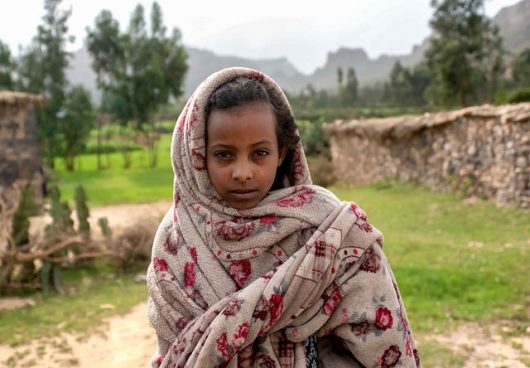
The United Nations Office on Drugs and Crime (UNODC) defines human trafficking as “the acquisition of people by improper means such as force, fraud or deception, with the aim of exploiting them.” Sometimes victims are taken from their home countries, other times they are kidnapped abroad. Nevertheless, thousands of victims in almost every country in the world are impacted by this human rights violation.
Act, Means and Purpose
The common types of human trafficking can occur in a multitude of ways. The UNODC outlines three clear elements that define trafficking: the act, means and purpose. The act can include the recruitment process, kidnapping, or possible transfer and transportation of the victim. The means refer to how the act of trafficking gets done. The means could be defined as the kidnapping, coercion, fraud, or force to control the victim. Lastly, the purpose is the reason for the act, which in the case of trafficking is exploitation. Exploitation could consist of sexual abuse, forced labor, removal of organs or slavery. Human trafficking can occur in many variations, but the most common types of human trafficking are debt bondage, forced labor and sex trafficking.
Debt Bondage
The most frequently used strategy to employ against victims of human trafficking is debt bondage. It is used against victims of labor and sex trafficking. Specifically, agricultural workers are frequently exploited in this manner, as they are led to migrant labor camps and kept from contact with the outside world. Eliminating their debt is impossible for these workers, as prices for everything cost more and more money. Their initial debt, rent, food and even the tools they work with, are rigged in a way to never be compensated by their wages. Occasionally, victims are “fined,” so that they remain in debt. Victims often have very few resources to turn to, as many are illiterate and impoverished. In poor countries, children are sometimes sold into bondage to eliminate debt.
Forced Labor
Forced labor, or labor trafficking, is a type of modern slavery. Over 14.2 million people across the globe are victims of this, one of the most common types of human trafficking. Victims are lured in the prospects of high-paying jobs and life-altering opportunities. The reality for labor trafficked victims is far different from what they were promised. With little to no payments, their supposed “employers” assert both psychological and physical control over victims. Seizure of passports and money, physical abuse and countless other methods are used to give victims no other choice than to continue working in these terrible conditions.
Sex Trafficking
Sex trafficking, as defined by the Shared Hope International, “occurs when someone uses force, fraud or coercion to cause a commercial sex act with an adult or causes a minor to commit a commercial sex act.” A commercial sex act is considered to be pornography, sexual performance, or prostitution. The exchange can be done monetarily or to fulfill basic human needs such as food and shelter. As one of the most common types of human trafficking, sex trafficking is thriving because there is such a large demand for these type of services. Traffickers utilize several strategies to lure in the victims, as internet and social media being one of the most frequently used ones. The most common age range of victims of human sex trafficking is 14 to 16. Victims are encouraged by the false hopes of adventure, protection, opportunity and love.
These common types of human trafficking occur all over the world, but can be stopped. Organizations throughout the globe are fighting to stop these human rights violations. Shared Hope International, for instance, works as an advocacy organization to train professionals to spot the signs of human trafficking.
Furthermore, they work with the governments to strengthen laws against traffickers and protect victims. United Way, a group working to end modern slavery, has a set of six steps everyone can take to eliminate this global phenomenon.
Raising awareness, learning the signs, volunteering and knowing where your everyday products come from are simple steps that everyone can take to help end human trafficking.
– Stefanie Babb
Photo: Flickr
