Top 10 Facts About Poverty in Kosovo
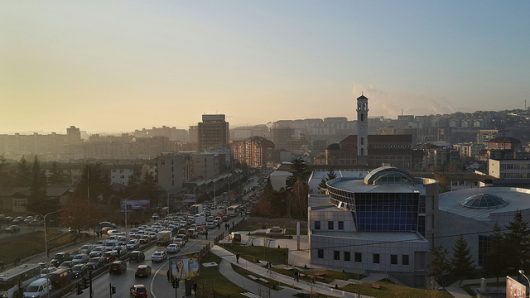
The Kosovo War in the late 1990’s destroyed much of country’s agricultural sector and infrastructure, and a large portion of the working population was crippled by war consequences. Currently, Kosovo’s total population is about two million. The scars of the war can still be seen in its high poverty rate and human development index (HDI) score compared to its neighbors. Here is the list of the top 10 facts about poverty in Kosovo.
- Kosovo’s GDP per capita or Gross Domestic Product (the number that gives an estimation of individual-based economic health) tripled from 2000 to 2017 and is currently at $3,902. However, Kosovo is still the third-poorest country in Europe.
- In 2015, approximately 17 percent of the population was living below the poverty line of $2.11 a day, and about five percent of the population was living below the extreme poverty line of $1.51 a day.
- UNICEF, based on 2006-2007 data, found that families in Kosovo with children were less likely to be poor than families without children. However, this research also concluded that children aged 0-19 were more likely to be at risk of poverty than the general population.
- Kosovo is rich in lignite (a type of coal) and many other natural resources, but the population’s energy needs exceed the production of the country’s two power plants. Less than 0.8 kW (kilowatts) is generated per person, which is under half of that in Slovenia and under a quarter of that in Austria.
- From December 2014 to February 2015, the number of migrants seeking asylum from Kosovo to the EU had grown by 40 percent.
- Economic growth in Kosovo is projected at between two to four percent for the period from 2018 to 2020. It has held a steady rate of growth since the 2008 global recession.
- Nearly two decades after the Kosovo War, ethnic tensions began to ramp up again. Local politicians are taking advantage of fear from potential conflicts and are using nationalist slogans for their political campaigns.
- Foreign aid and remittances from countries such as the United States, France, and others reached more than 700 million dollars in 2017, reducing poverty and trade deficits in Kosovo, according to the country’s Central Bank.
- Self-employment is widely recognized as one of the solutions to poverty in Kosovo, but conducted surveys show that the low investment capital and limited access to loans keep most of the people away from starting a business.
- Kosovo’s transportation infrastructure is very weak, with undeveloped networks of railways and motorways. It lags behind the EU average as well as other Balkan states, such as Macedonia and Albania.
Silver lining
Despite many domestic challenges Kosovo faces regarding the economy and its infrastructure, the country is back on track in economic growth and self-sustainability. Country’s quality of life has steadily improved, while poverty has decreased over the last two decades and this can be attributed to international aid and domestic policy reform.
If Kosovo can continue to maintain its growth rate and effectively integrate foreign aid and advising into both its public and private sectors, in addition to addressing its social issues, the country can expect a brighter future for its citizens in the upcoming decades.
– Alex Qi
Photo: Flickr
