Increased Promotion of Sustainable Fishing in Mozambique
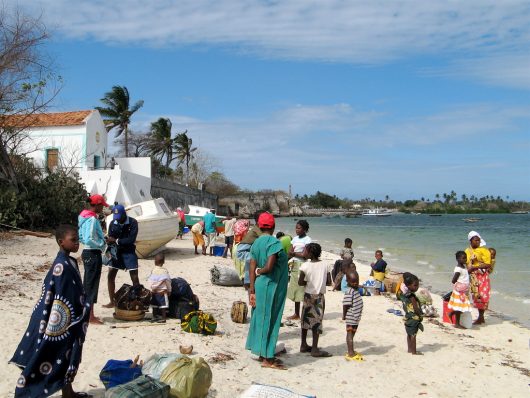
Close to the white sands of the shores of Mozambique, crews in wooden boats with hand-nets pull up their catch. The same scene plays out each day over the 1,500 miles of coastline as nearly 85 percent of fishing is Mozambique is done by hand.
While large fishing trawlers comb the ocean with nets hanging from each side of the ship. The turning of the turbines can be heard on deck and wenches wine as they bring up the catch. Below deck, hidden away from the rising sun over the Indian Ocean, humming refrigerators and freezers await the 30 to 40 tons of incoming shrimp catch for the European market. These two scenes have played out for years, but over the last two decades, sustainable fishing in Mozambique has become the new battle.
Need For Sustainable Fishing in Mozambique
These large fishing trawlers are not necessarily evil behemoths eating up all the shrimp; rather, they provide jobs and contribute to Mozambique’s export market. Around 82 percent of the shrimp exported by Mozambique in 2017 were exported to the European Union; now, the nation’s once plentiful stocks are beginning to dwindle due to overfishing by all parties.
According to the World Wildlife Foundation, “artisanal fishers” catch shrimp and other fish too young and too soon. These “artisanal” fishers or small-scale fishing operations catch up to 85 percent of the fish caught. Shrimp and fish mature faster than many species, and the rate at which they are caught so young far outpaces the number of times they can reproduce. The WWF says there is still time to save the fish stocks in Mozambique through promoting sustainable fishing.
The government of Mozambique and the world took notice when in 2013, the government passed a law regulating fishing rights. The bill was designed to help small-scale fisheries and also regulate their catch, and turned out to be extremely influential for the nation. A combined effort by Rare, the World Bank and the Mozambican government helped plot recovery zones, or areas where the fish population can replenish, and coordinate with fishermen to maintain their livings.
Efforts for Change and Areas of Growth
In 2016, the World Bank approved a $91 million loan and grants package for fisheries in East Africa and the South West Indian Ocean area. The South West Indian Ocean Fisheries Commission received a grant to increase cooperation between member nations to increase sustainable fishing practices.
Sustainable fishing in Mozambique is also necessary because of unregulated fishing or IUU fishing. IUU fishing stands for illegal, unreported, and unregulated fishing. It is estimated that IUU fishing costs Mozambique $37-67 million each year. This money could be put back into the system to improve sustainable fishing in Mozambique and the people’s pockets.
In addition, the already taxed ecosystem is further damaged which will hurt the people and industry of Mozambique in the long run. IUU fishing is a problem up and down the East Coast of Africa. Some of the money from the World Bank given to the South West Indian Ocean Fisheries Commission will hopefully be used to combat this problem.
Global and Individual Support
Support for sustainable fishing in Mozambique is projected to continue into the future for the world has taken notice and stepped up to the plate. Whether global organizations or individuals, spreading the word, donating or volunteering can always help abroad and at home.
Overfishing is not a problem specific to Mozambique — it takes place all over the world. You can help by simply checking the label at the grocery store before you buy; yes, it can be that easy.
– Nick DeMarco
Photo: Flickr
