The Importance of Gender Inequality in Egypt
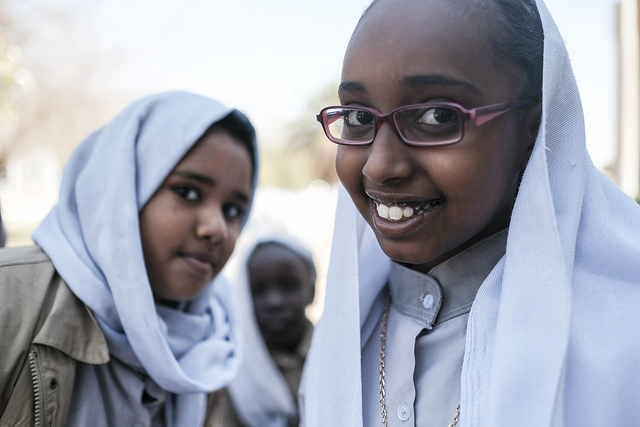
Gender inequality has been an important issue in Egypt for centuries. There are many organizations that recognize how important gender inequality in Egypt is for the economic growth and development of the country. There are many forms of gender inequality that are expressed daily, such as the limitations on women in economic participation, sexual harassment, gender-based violence and unequal access to education.
The Wide-Ranging Effects of Gender Inequality in Egypt
Egypt ranks 136th out of 145 countries in the Global Gender Gap Index. Gender inequality in Egypt is most prominent in the low rate of female participation in the labor force. It is estimated that 26 percent of women participate in the workforce, compared to 79 percent of men. The average yearly income for women in Egypt is $5,218 versus an estimated $17,353 per year for men. This disparity is also seen in literacy rates, which are estimated at 65 percent for women versus 82 percent for men.
The major obstacles to decreasing gender inequality in Egypt are related to economic participation and opportunity, education, health and political empowerment. According to the 2014 Demographic and Health Survey, 92 percent of women interviewed between the ages of 15 and 49 had experienced female genital mutilation. This is a major issue that underlies gender inequality in Egypt.
Global Partnerships Work to Empower Women
Gender inequality is recognized as an issue that inhibits the growth of the entire country. There are several organizations that are developing partnerships and programs that work to empower women and foster growth. The United Nations Development Programme (UNDP) has developed the Sustainable Development Goals that focus on increasing women’s access to social, economic and legal rights. In 2015, the Egypt Network for Integrated Development developed the One Product One Village program to train women in several trades, including handloom embroidery, alabaster, leather accessories, sand pottery, general carpentry and laser cutting.
UNDP has partnered with Microsoft to create programs that address gender inequality in Egypt. One program, known as the Mentorship Program, mentors young women to help them develop a career path. In addition, the Social Innovation Hub was launched at the National Council for Women, which aims to bridge the gap between public education and job market needs. This organization is also a part of the Aspire Women Initiative that empowers female leaders.
USAID has partnered with the Egyptian government to fight gender inequality by acting to remove the constraints on women’s participation in the economy, addressing sexual harassment and gender-based violence and improving access to education for young women. Since 2014, USAID has provided more than 600 scholarships to women seeking higher education. USAID has also developed programs to train community health workers to prevent and respond to gender-based violence, early marriage, domestic violence and female genital mutilation.
Gender inequality in Egypt has been an issue for centuries. However, there are many organizations that are partnering to end this growth inhibiting factor. The goal of ending gender inequality will help Egypt develop not only economically, but socially as well. The progress of these programs is notable, but there is still work to be done to completely eliminate gender inequality in Egypt.
– Kristen Hibbett
Photo: Flickr
