Seven Facts About Genocide in the Democratic Republic of the Congo
The Democratic Republic of the Congo (DRC) has experienced ongoing violence since the mid-1990s. Although the DRC has the potential to be one of the richest countries in the world with its vast resources, parties and rebels in the DRC are taking and profiting from the resources and committing mass murder in the process. These are seven facts about genocide in the Democratic Republic of the Congo.
Facts About Genocide in the Democratic Republic of the Congo
- Many believe the genocide committed by the DRC is a result of and closely connected to the conflict in Rwanda in 1994. Fighting still continues today on the Rwanda-DRC border, caused by the persecution of Rwandan Hutu refugees who fled to the DRC. A human rights activist from the border city of Goma told the BBC, “People don’t talk about it enough… but the Rwandan genocide was like flicking over the first domino.”
- The main participants in the genocide and violence in the DRC include the national army, the Armed Forces of the DRC and diverse groups of rebels throughout the country, including the Democratic Forces for the Liberation of Rwanda and Mayi-Mayi militias.
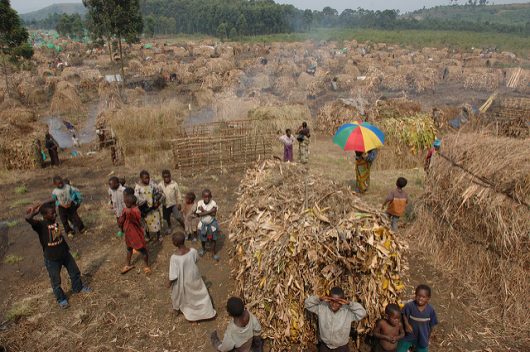
- The atrocities of the genocide not only include mass murders, but also abductions, rape, child labor and the displacement of persons. The DRC has been involved in the conflict since 1996, which is estimated to be the cause of more than six million deaths. Because of widespread violence, more than three million people have been forced to leave their homes and many continue to go without humanitarian assistance.
- Many of the six million deaths have been indirect consequences of the war. Diseases such as malnutrition and malaria have run rampant due to the country’s political instability and lack of infrastructure.
- The violence is far from over. In August 2017, the U.N. reported that in the DRC’s Kasai province, an estimated 2,000 people have been murdered due to ethnicity-based violence and that several mass graves have since been discovered in the area.
- Since December 2017, more than 34 villages have been ransacked by Lendu militiamen, who have killed many, including women and children, while also leaving many Hema people homeless. The DRC government has since decided not to intervene. However, the U.N. did warn the government months beforehand about a potential ethnic conflict that could lead to the deaths of many.
- There have since been efforts and intervention to address DRC’s genocide. In 1999, the U.N. created the United Nations Organization Stabilization Mission in the Democratic Republic of the Congo (MONUSCO) in order to protect civilians and transform the country. In 2013, the U.N. extended MONUSCO further, making it first U.N. mission to include offensive action to strengthen the peacekeeping operation. The U.N.’s intervention brigade has since helped defeat the M23 rebels and continues to extend its mandate to stop other rebel groups.
These facts about genocide in the Democratic Republic of the Congo are only a portion of the complex situation in the DRC. With the country’s weak governance and many rebel groups, the DRC’s people have been constrained by too many years of violence and conflict. Nevertheless, by putting a stop to corruption, human rights violations and rebel groups through continued international efforts, the DRC has the potential to be a rich and prosperous country.
– Emma Martin
Photo: Flickr
