Life in the Slums of Nairobi: How Childaid is Helping
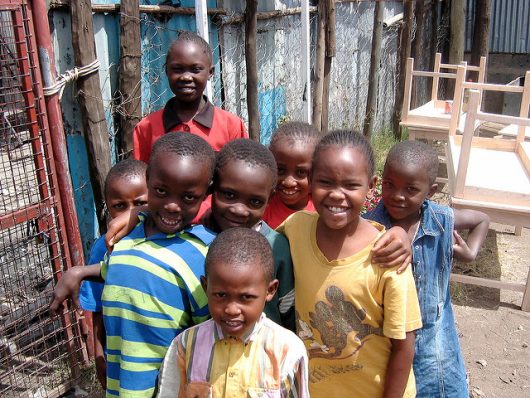
Interestingly, 21 out of 25 of the world’s poorest countries are located in Africa. As a result, many families in these nations are forced to live in slums, which are residential areas characterized by insubstantial shelters and unsanitary conditions.
One of the major slums in Africa is the Mukuru Slum in Nairobi, Kenya. Dermot Higgins, a director of the charitable organization, Childaid, spoke to The Borgen Project about his organization and how they are changing lives in this slum, among others.
Poverty in Africa
As home to the world’s poorest nations, poverty in Africa is widespread.
- Amount Spent Per Day: 47 percent of the African population lived on less than $1.90 per day in 2012.
- Malnutrition: The Save the Children foundation estimates that two in five African children have stunted growth due to malnutrition.
- Expected Population Growth: Business Insider approximated that more than half of the population growth that will occur between now and 2050 will take place in Africa, likely resulting in increased poverty and hunger.
The Mukuru Slum
Higgins explained that Childaid is helping to fight poverty in Africa by supporting projects in many different areas, but their main efforts are focused in the Mukuru Slum. According to the Ruben Centre, another organization based in Mukuru, the community was established about 35 years ago by people who worked in the factories nearby. It now holds over 600,000 inhabitants.
- Physical Conditions: The physical conditions of the slum are rough. Higgins described the environment: “Most families survive in tiny one roomed corrugated iron shacks which measure 3 x 3 meters and have no toilets, electricity or running water. There are few communal toilets and water taps and open sewers run past many of the shacks.”
- Safety and Health Concerns: Other hardships faced by the slum’s inhabitants are safety and health concerns, Higgins noted. “Diseases are rife in the slums and security is a major concern especially after dark when it is not safe to go out.” The Ruben Center listed malaria, typhoid, dysentery, tuberculosis and AIDS as some of the most common diseases in the slum.
- Education: The Ruben Center noted that 44 percent of children in the slum drop out of school to work. Even the children that are fortunate enough to attend school have subpar education due to limited funds and materials.
How Childaid Helps
According to their website, “Childaid is a charity that supports child orientated projects which will help them get out of the harsh and brutal conditions of slum life. We strive to improve the welfare of disadvantaged children through education, health and residential care projects.”
- Building Schools and Sponsoring Students: To improve the quality of education, Childaid is helping by building better schools. “The Kwa Njena primary school, rebuilt and developed by Childaid,” Higgins noted, “is like an oasis in the slum for over 2,000 children who receive education in a safe environment.” The organization also prevents students from dropping out by sponsoring them; Higgins spoke of one of their former students: “One of the past pupils of the schools, who was sponsored by a Childaid volunteer in secondary school and university, recently wrote to thank us. He was qualifying as a pharmacist and planning to buy a house and bring his parents out of the slum.”
- Providing Food: Childaid is helping to eliminate malnutrition by feeding students in school. Higgins spoke of the charity’s accomplishments: “As a result of Childaid’s work, over 2,000 children are getting educated and fed every day.”
- Funding and Supporting Institutions: According to Higgins, Childaid is helping by raising money to fund institutions, such as a maternity ward, orphanage, HIV program and skills training center.
Childaid strives to not only help those in Mukuru, but to fight general poverty in Africa. The organization’s impact has been considerable given its new schools, support of other institutions and positive influence on a population of poor children across the continent. Higgins concluded, “It’s very satisfying to see the children getting food, education, love and security in school.”
– Olivia Booth
Photo: Flickr
