Top 10 Modern-Day Slavery Facts
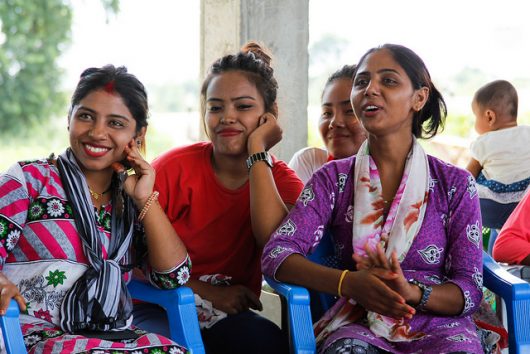
While many may associate slavery with the past, the sad truth is that slavery is a bigger issue in today’s world. The numbers are greater than ever, and are only growing. There are a lot of myths surrounding modern-day slavery facts, and a huge amount of basic information that many civilians are not aware of. Knowledge is power, and in the effort to equip citizens with the tools to fight this growing threat, these are the top 10 modern-day slavery facts that people should be aware of.
Top 10 Modern-Day Slavery Facts
- Slavery is more rampant now than it has ever been. The numbers prove that there are more slaves in the world now than there has ever been throughout all of history, and those numbers are only growing. With as many as 40 million modern-day slaves in the world today, this increase is something to take seriously.
- There are more enslaved laborers than trafficked sex slaves. Many people associate modern-day slavery with sex trafficking, but in reality, 68 percent of enslaved persons are trapped in forced labor of some sort. These people are enslaved in industries highly consumed in places like the United States, the U.K. and other first world countries. Slaves are laboring in the agriculture, textile, chocolate, mining and other industries that many people purchase from, directly or indirectly, on a daily basis.
- One-fourth of the slave population consists of children. Kids are being forced into slavery around the globe every day. Two hundred thousand become child soldiers and are thrown into very violent lifestyles against their wills.
- Forty-six percent of people know their trafficker. With almost half of enslaved persons having been trafficked by someone they knew, this threat is becoming harder to avoid. People who become enslaved are not always engaged in risky behavior or being careless. Many times, these people are simply hanging out with a friend they thought they could trust.
- Slaves are cheaper than they used to be, and therefore disposable. In 1850, a slave could be purchased for the modern equivalent of $40,000. These slaves were, therefore, a long-term investment and something to flaunt as a sign of wealth. Nowadays, a slave can be bought for $90. Being so inexpensive, slaves have become short-term, disposable and something that buyers do not want to publicly acknowledge. When a slave becomes sick or injured, they are simply “dumped” or killed.
- Poverty makes people vulnerable to trafficking. When people or families make less money, due to unemployment, war or immigrating, they become at risk. Traffickers pose as employment agents, and those needing a job go along with them, only to become enslaved. Families who want a better life for their children are often targeted by traffickers posing as placement agents, who promise the family a good home or schooling for their child. The family never knows what becomes of their child, who is forced into slavery.
- It is not just traffickers that enslave people. Sometimes governments still force labor upon their citizens. In Uzbekistan, people are forced to harvest cotton for two months out of every year. In Mauritania, the country with the highest percent of slavery among its people at 20 percent, there are still laws that prohibit slaves from attaining the rights of normal civilians.
- About half of the world’s slaves exist in India. Fourteen million modern-day slaves live in India. Many of these people are “debt slaves“, meaning that people in debt are forced to work to pay off their debt. It extends to their children and grandchildren, becoming a multi-generational chain of slavery.
- While slaves are cheap, the profits from them are huge. Annually, the slave market brings in $150 billion annually, which adds up to be more than the combined revenues of the world’s four richest companies.
- Almost everyone is contributing to slavery. Even though most people are not actually trafficking anyone into modern-day slavery, the fact is that even our electronics have been touched by slavery, due to the gold or other materials used to make them originating from conflict areas. Ninety percent of the shrimp shipped to United States comes from companies overseas using forced labor. The chocolate bars people consume, the clothing people put on every day, the tomatoes used to make salsa for families, the sugar in the candy given during the holidays and even the soccer balls used in school tournaments are all made or harvested by slave labor. It has trickled down into almost all products used on a daily basis. Becoming a conscious buyer and consumer can make a difference in ways that many are not aware exist.
While slavery is a bigger problem than ever, the moral battle has been won; slavery is no longer considered a just practice. It has become something to be ashamed of, and that was not always the case. What the world has ahead of it are the numbers of enslaved people that need to be freed. While the battle has yet to be won for slavery, becoming informed and spreading the word can truly conquer a lot. These modern-day slavery facts are all very real, and when the rest of the population works to create change, the slavery numbers might be able to be reduced.
– Emily Degn
Photo: Flickr
