Credit Access in Mali Needs Further Improvement
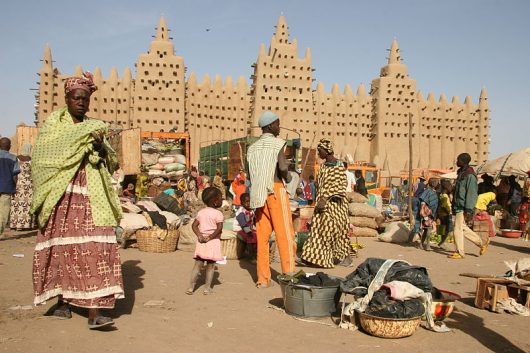 For many of the poor in developing nations, securing loans is often an unfeasible task. Reforms to credit access in Mali, however, are providing much-needed relief to smallholder farmers endeavoring to improve conditions for themselves and their families.
The Importance of Microfinance in Development
The practice of providing access to financial resources and small loans to those in developing nations, known as microfinance, has become the latest instrument in the effort to alleviate poverty. Too often, the world’s poor are denied access to loans, making it exceedingly difficult to start businesses or make capital investments that would enable them to improve productivity and elevate their incomes. Although microfinance across developing economies has yielded mixed results previously, the capacity remains for well-structured and pragmatically targeted initiatives to succeed.
Credit Access in Mali Denied
When these programs are successful, the implications can be powerful, especially for women and smallholder farmers. In developing economies, women reinvest 90 cents of each dollar they earn into “human resources” like healthcare, nutrition and education, according to a study conducted by the Harvard Business Review. This is substantially more than men and illustrates the impact small investment opportunities can have for the well-being of women and their families.
Despite this, securing loans is harder for women because most do not have property in their names to offer as collateral, typically make lending to them impractical. Furthermore, in Mali, 70 percent of loan applications sought by farmers are rejected because they are deemed risk-prohibitive. Because farmers’ incomes typically fluctuate with seasonal variance in agricultural output, banks are usually hesitant to provide financial backing.
Securing loans is also rare for farmers in Mali because banks focus primarily on commercial lending and often refuse the longer term loans many Malian farmers in the young mango, papaya and cashew nut industries need to get their businesses off the ground. Unstable political institutions in the country, like inconsistent enforcement of contracts, and poorly defined property rights further exacerbate these challenges.
Credit Where Credit is Due
An initiative which began in 2013 is addressing these issues and attempting to increase credit access in Mali. The Agricultural Competitiveness and Diversification Project by the World Bank seeks to “reduce the risk of investing in agricultural endeavors through technical assistance, new technology and greater knowledge of the supply chain and key actors,” according to World Bank Agribusiness Specialist Yeyande Kasse Sangho.
To provide loans, the program relies on the Innovation and Investment Fund (IIF) and the Guarantee Fund. The IIF offers a three-tiered lending system with each tier providing different levels of subsidies based on the size of the enterprise, with smaller enterprises receiving a greater subsidy. The Guarantee Fund, also financed by the World Bank, offers up to 50 percent of the loan guarantee, giving a needed cushion to the two commercial banks in Mali receiving the deposits.
In addition to this World Bank initiative, Mali sought in 2016 to improve access to credit by improving its credit information system regarding the regulations of credit bureaus in the West African Economic and Monetary Union. In 2017, it established another credit bureau, doubling-down on its resolve to ensure its citizens have access to capital.
With initiatives like these, Mali is demonstrating its commitment to making accessible credit the new normal for its people. Further improvement to credit access in Mali will only serve to assist in lifting more people out of poverty.
– Brendan Wade
Photo: Wikimedia Commons

