10 of the Most Common Diseases in Afghanistan
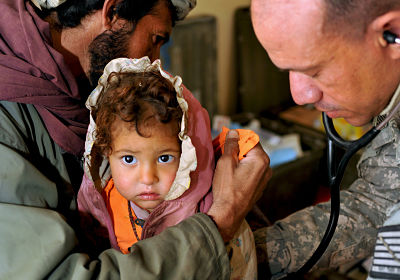
The World Health Organization (WHO) recently called the health status in Afghanistan one of the worst in the world. Most of the common diseases in Afghanistan are communicable, and epidemics are happening more frequently than in the past. The health system is trying to recover from decades of neglect, under-funding, institutional vacuum and fragmentation. These are the 10 most common diseases in Afghanistan:
- Tuberculosis plagues nearly 35 percent of Afghanistan’s citizens. This respiratory disease can be caused by overcrowding, cold-conditions and can be transmitted through the use of a temporary shelter.
- Malaria occurs more often during the warmer months and is spread through mosquito bites. It causes a flu-like illness, can be deadly if untreated and is found all over the country.
- Cholera often occurs in epidemics because it is caused by bacteria found in water and food that has been contaminated with feces. It spreads quickly in places with low-quality water treatment, unsanitary surroundings and poor hygiene.
- Crimean-Congo hemorrhagic fever (CCHF) occurs from tick bites or the touching of livestock animals’ blood or tissue. Outbreaks can have up to a 40 percent fatality rate. It can take a week for symptoms to occur, which include fever, myalgia, muscle ache, dizziness, neck pain and stiffness, backache, headache, sore eyes, photophobia, mood swings and confusion.
- Measles is another respiratory disease and is very contagious. A small rate of measles vaccination cause this disease to be more common in India, and malnutrition and vitamin A deficiencies also contribute to the rate that children are affected.
- Meningococcal meningitis is much like measles being respiratory in nature and highly contagious. It also occurs year-round, peaking between November and February.
- Hepatitis A is commonly contracted during childhood for most Afghans and then gets spread through consuming food and water that has been contaminated by contaminated fecal matter. Vaccines are available, but symptoms like fever, jaundice and diarrhea can occur for six to nine months for 15 percent of victims.
- Poliomyelitis (polio) seriously threatens many Afghan children. This infectious viral disease is mostly spread through the faecal-oral route, prompted by inadequately sanitized surroundings. Paralysis can even occur if the disease moves to the nervous system. There is no cure for polio and vaccinations are recommended for prevention.
- Rabies is a viral disease of mammals. People are affected through animal bites, especially from dogs. Symptoms start with a fever and headache but then can move into more serious neurological symptoms. Death usually occurs within days of symptoms.
- Typhoid fever is another disease that can be picked up through contaminated water. The disease only lives in humans’ bloodstreams and intestinal tracts so that it gets found in an affected person’s feces. However, the disease gets commonly spread in unsanitary areas of the world.
These 10 common diseases in Afghanistan can be deadly when untreated. Luckily, many medical relief organizations are working to eradicate the likelihood of these diseases and to provide vaccinations to those in need of them.
– Emily Arnold
Photo: Google
