• Link to X
  • Link to Facebook
  • Link to Instagram
  • Link to TikTok
  • Link to Youtube
  • About
    • About Us
      • President
      • Board of Directors
      • Board of Advisors
      • Financials
      • Our Methodology
      • Success Tracker
      • Contact
  • Act Now
    • 30 Ways to Help
      • Email Congress
      • Call Congress
      • Volunteer
      • Courses & Certificates
      • Be a Donor
    • Internships
      • In-Office Internships
      • Remote Internships
    • Legislation
      • Politics 101
  • The Blog
  • The Podcast
  • Magazine
  • Donate
  • Click to open the search input field Click to open the search input field Search
  • Menu Menu
Blog - Latest News
Global Poverty, Water

Sewage Regulation Crucial for Improving Water Quality in Tanzania
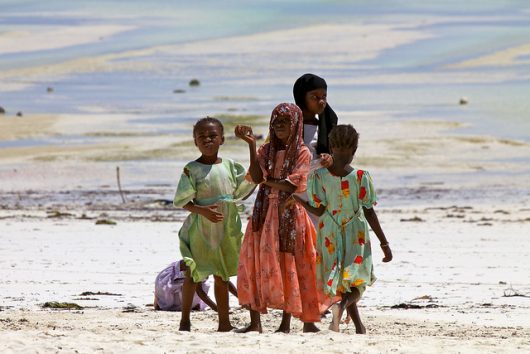

Due to widespread pollution, the water quality in Tanzania is poor. While the nation as a whole is affected, cities on the coast receive the most contaminated water because of insufficient sewage regulation.

Untreated sewage is often deposited into the sea, polluting the country’s coastal waters. Not only does this threaten marine biodiversity, but it has spread diseases on land as well. Salim M. Mohammed, a researcher at the University of Dar es Salaam, says that the most common of these diseases are diarrhea, gastroenteritis, cholera and dysentery, all of which can cause death under certain circumstances.

Sewage mismanagement occurs inland as well, although the dynamics vary. Ground wells, which provide water to some Tanzanians, are often contaminated by leaks from drainage systems. As a result, the water often contains fecal matter that people have no choice but to drink from, bathe in or wash their clothes in, as reported by The Water Project.

Aside from domestic waste, these coastal cities often experience industrial pollution as well. For example, debris may stem from textile production, oil and gas regulation or food processing that affects the quality of the water.

And while coastal cities may suffer from dirtier water, other coastal areas experience contamination as well. The difference comes, as Mohammed states, in that these residents suffer from the input of agricultural wastes, such as pesticides and fertilizers, via rivers and streams compared to domestic or industrial wastes.

While water purification is a complex issue, the immediate solution would involve an improvement in sewage regulation. The government of Tanzania needs to build more sewerage systems, and governmental policies must ensure its widespread implementation. Otherwise, only a small percentage of the population will continue to have access to these systems.

Likewise, similar policies must be enforced to ensure that industrial and agricultural waste does not pollute the water. If such methods are executed through the strategic use of financial resources, it is certain that the water quality in Tanzania will improve.

– Gigi DeLorenzo

Photo: Flickr

June 11, 2017
Share this entry
  • Share on Facebook
  • Share on X
  • Share on WhatsApp
  • Share on Pinterest
  • Share on LinkedIn
  • Share on Tumblr
  • Share on Vk
  • Share on Reddit
  • Share by Mail
https://borgenproject.org/wp-content/uploads/borgen-project-logo.svg 0 0 Borgen Project https://borgenproject.org/wp-content/uploads/borgen-project-logo.svg Borgen Project2017-06-11 07:30:032020-04-18 13:26:29Sewage Regulation Crucial for Improving Water Quality in Tanzania

Get Smarter

  • Global Poverty 101
  • Global Poverty… The Good News
  • Global Poverty & U.S. Jobs
  • Global Poverty and National Security
  • Innovative Solutions to Poverty
  • Global Poverty & Aid FAQ’s
Search Search

Take Action

  • Call Congress
  • Email Congress
  • Donate
  • 30 Ways to Help
  • Volunteer Ops
  • Internships
  • Courses & Certificates
  • The Podcast
Borgen Project

“The Borgen Project is an incredible nonprofit organization that is addressing poverty and hunger and working towards ending them.”

-The Huffington Post

Inside The Borgen Project

  • Contact
  • About
  • Financials
  • President
  • Board of Directors
  • Board of Advisors

International Links

  • UK Email Parliament
  • UK Donate
  • Canada Email Parliament

Get Smarter

  • Global Poverty 101
  • Global Poverty… The Good News
  • Global Poverty & U.S. Jobs
  • Global Poverty and National Security
  • Innovative Solutions to Poverty
  • Global Poverty & Aid FAQ’s

Ways to Help

  • Call Congress
  • Email Congress
  • Donate
  • 30 Ways to Help
  • Volunteer Ops
  • Internships
  • Courses & Certificates
  • The Podcast
Link to: Education in Turkmenistan Link to: Education in Turkmenistan Education in Turkmenistan Link to: 10 Noteworthy Ways Technology Changes Education Link to: 10 Noteworthy Ways Technology Changes Education 10 Noteworthy Ways Technology Changes Education
Scroll to top Scroll to top Scroll to top