10 Facts About Poverty in Tanzania
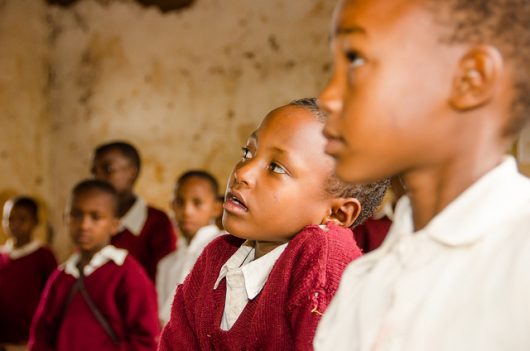
Tanzania, officially the United Republic of Tanzania, is a country in Eastern Africa that is home to more than 67 million people and natural wonders like Mount Kilimanjaro and Lake Victoria. Although the country is rich in natural resources, poverty in Tanzania persists. Here are some facts you need to know about poverty in Tanzania:
- In 2018, 26.4% of Tanzanians lived below the national poverty line. This poverty is largely due to a lack of access to infrastructure, particularly for those living in rural areas.
- Extreme poverty in Tanzania has declined in recent years, from 11.7% in 2006 to 9.7% in 2012.
- Poverty results in hunger, leading to 34% or 3.3 million Tanzanian children less than 5 suffering from chronic malnutrition, with nearly 32% experiencing stunting and 14.6% being underweight. Malnutrition affects children’s physical development. The rate of stunting in Tanzania ranks third in sub-Saharan Africa, after Ethiopia and the Democratic Republic of Congo.
- Many of the most commonly eaten foods in Tanzania, such as potatoes and cassava, are inexpensive but lack essential nutrients. Some schools in Tanzania now hold nutrition classes for students in hopes of reducing malnutrition.
- On average, women in Tanzania will have five children. Slowing fast population growth and the high fertility rate by empowering women through education support and family planning services is key to reducing poverty in Tanzania.
- Poverty is most prevalent in rural areas, where 33.1% of Tanzanians lived below the poverty line in 2018, compared to around 16% in urban areas. Poverty is also highest among female-headed households, particularly those that depend on livestock or food-crop production for their livelihood.
- Young girls and women in Tanzania often suffer from more nutritional deficiencies than men. One-third of women are deficient in iron, iodine and vitamin A and two-fifths are anemic.
- Cash transfer programs, which have been successful in other parts of the world, have proven effective in Tanzania in recent years. While families do not receive large sums of money, it is enough to free them from constant subsistence farming and allow them to focus on generating additional, more stable sources of income.
- Feed the Children, a nongovernmental organization (NGO) working to end child malnutrition in Tanzania, has empowered children in more than 30 schools nationwide to defeat hunger and poverty. The nonprofit has implemented several school-based income-generating activities, such as beekeeping and poultry farming, to help the students learn practical livestock skills. These students can, in turn, share their knowledge with their families, resulting in increased livestock farming and production.
- In 2024, the United Nations Children’s Fund (UNICEF), in partnership with the Tanzania Ministry of Health and the Vaccine Alliance (GAVI), launched the “national multi-age cohort (MAC) vaccination campaign” in Tanzania. The campaign, which ended in April 2024, successfully vaccinated more than five million girls against cervical cancer. This disease caused approximately 6,800 deaths among women in Tanzania in 2022 alone.
While improvements have been made in reducing poverty in Tanzania, much of the population still suffers from malnutrition and poor living conditions. Continuing to strengthen the economy through initiatives such as cash transfer and family planning programs could help further reduce poverty in Tanzania.
– Alexi Worley
Photo: Flickr
Updated: June 01, 2024
