Poverty in Slovenia
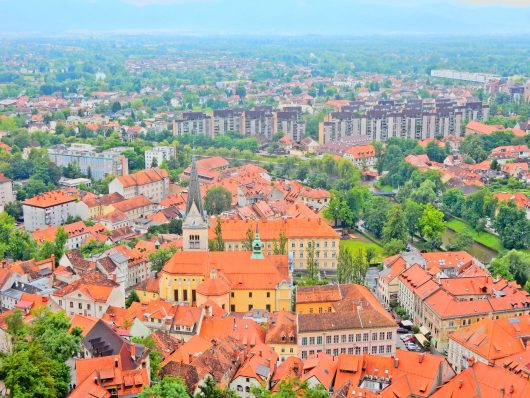
After a brief war in 1991, Slovenia earned its independence and subsequently joined the United Nations. This central European nation offers picturesque landscapes, meandering caves and a wealth of history. Despite its relative prosperity, there is significant risk of deprivation and poverty in Slovenia among its most vulnerable.
Assessing At-Risk Indicators
The number of people at risk of poverty or social exclusion (AROPE) is a statistic which refers to those materially deprived, at risk of poverty or residing in homes with low labor market involvement. It is a major indicator of the effectiveness of the EU 2020 Strategy on poverty reduction. One of the Europe 2020 objectives is to lift a minimum of 20 million people classified as AROPE out of that category.
In Slovenia, the 2015 AROPE was 19.2 percent versus 20.4 percent in 2014. The early 2000s saw a markedly lower rate of 17.6 percent. In 2015, the aggregate EU AROPE figure was 23.7 percent.
A 2004 article in the Slovenia Times argued this risk statistic carries enormous weight in discussions of poverty in Slovenia. According to Anja Ilc, the author of the piece, “While the level of poverty risk does not represent the number of poor people, it does show how many could become poor if they lost their jobs or fell ill. The group at greatest risk is single parent families.”
Furthermore, cultural beliefs and perceptions about laziness persist among Slovenians. Ilc wrote that “when portraying the true condition objectively, all viewpoints need to be taken into account. When researching poverty levels, a distinguishing factor should be the way people perceive it psychologically.”
Slovenia’s most recent AROPE rate for children, at 2.6 percent, is lower than the other EU member states. Despite this fact, in 2015, 5.8 percent (116,000 Slovenians) faced severe material deprivation while 7.4 percent (114,000 people) exhibited low levels of labor market activity.
Supporting Elderly Populations
According to the U.N. Office of the High Commissioner for Human Rights, “Slovenia has consistently demonstrated its commitment to the rights of older persons at the international level.”
However, poverty in Slovenia amongst its senior population, consisting of mostly women and marginalized minorities, is an area of grave concern. According to a 2016 Slovenia Working Report, 17.1 percent of the elderly are at risk for poverty. This number is more than three percent higher than the EU average.
To address this, a 2020 Strategy for Quality Aging, Solidarity and Coexistence of Generations in Slovenia has been implemented.

Despite many advancements, more reforms are needed to bolster human and social capital investments in the country. Moreover, additional data is needed to fully understand the social constructs, psychological elements and perceptual forces which affect poverty.
This includes more research studies and statistical analyses of the population; although such endeavors are difficult given the forces of social exclusion, prejudice and marginalization which prevent some members of the population from being sampled.
In May, the Statistical Office of the Republic of Slovenia is expected to release its 2016 Annual Report, containing new national statistics. Detailed data on income, poverty and social exclusion indicators are also anticipated over the summer. The more accurate the data collected, the better Slovenia will be in enacting an effective plan to extinguish poverty and health-related issues.
– JG Federman
Photo: Flickr
