Water Crisis in Paraguay
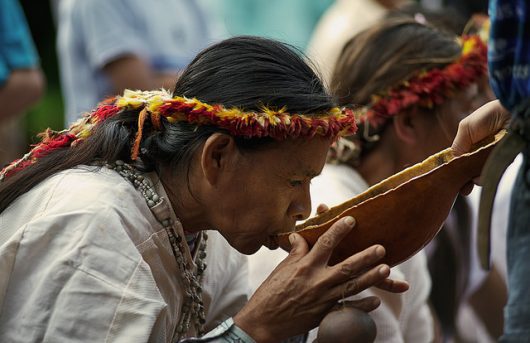
Throughout the last year, the rural population in Paraguay has had an increasingly tough fight for clean water. The country’s economic woes have trickled down to the most vulnerable populations, affecting clean water accessibility for a majority of people. Paraguay’s water crisis has even affected animals living along the river region. Here are three things you need to know about the water crisis in Paraguay.
Three Facts About the Water Crisis in Paraguay
- The water crisis has been affecting animals. Infrastructures for water strongly affect resident water collection. On-and-off droughts in the regions within Paraguay also play an important role. This type of on-and-off seasonal drought not also affects the human water supply, but also heavily affects animals, especially those living in the lake region.This past summer, the extended drought along the Pilcomayo River became an ecological crisis, leaving 435 miles worth of land completely dry. The water crisis in Paraguay left masses of the population of animals dead. According to National Geographic, 98 percent of caimans and 80 percent of capybaras were left dead.The river running through Argentina often faces severe drought each year, sparking the creation of the 1991 Water Distribution agreement between both countries. The agreement says that both countries would share the water equally every year through infrastructures built between the borders of each country. The mass amount of animal death is due to negligence and lack of commitment to this agreement.
- Drinkable water is hard to find. For the average household among Paraguay’s rural population, drinking water is a rarity. Forty percent of Paraguay’s population of 6.9 million is rural. In 2015, the Inter-American Development Bank reported that the water crisis in Paraguay affects around 870,000 people lacking drinkable water.In the city of Chuco, which has a population of 53,000 people, only 15.4 percent of people have a water supply network that reaches their homes. Only half of the nation’s poorest homes have access to drinkable water.Life for the indigenous population in Paraguay is even harder regarding to access to water. Sixty percent of indigenous households use rainwater as their primary source of water and are not connected to any sources of water.
- Rural and Ingenious People Have Little Access to Sanitation. Overall, one million people do not have access to sanitation, as part of the water crisis in Paraguay. This population consists of mostly rural and indigenous people. Only three percent of indigenous people have access to sanitation. Only 10 percent of the poorest households in the nation have access to sewage treatment.Luckily, sanitation is improving in Paraguay with the assistance of the inter-American Development Bank, who disbursed a loan to the nation of $40 million dollars to support the building of infrastructures to allow access to sanitation of rural and indigenous households.The Development Promotion Fund from Spain also donated $20 million dollars to this plight, specifically supporting constructing draining systems for 380,000 residents in rural areas. This project will connect 7,000 people to sanitation networks.
– Maria Rodriguez
Photo: Flickr
