• Link to X
  • Link to Facebook
  • Link to Instagram
  • Link to TikTok
  • Link to Youtube
  • About
    • About Us
      • President
      • Board of Directors
      • Board of Advisors
      • Financials
      • Our Methodology
      • Success Tracker
      • Contact
  • Act Now
    • 30 Ways to Help
      • Email Congress
      • Call Congress
      • Volunteer
      • Courses & Certificates
      • Be a Donor
    • Internships
      • In-Office Internships
      • Remote Internships
    • Legislation
      • Politics 101
  • The Blog
  • The Podcast
  • Magazine
  • Donate
  • Click to open the search input field Click to open the search input field Search
  • Menu Menu
Blog - Latest News
Global Poverty

Five Things to Know About Poverty in Fiji
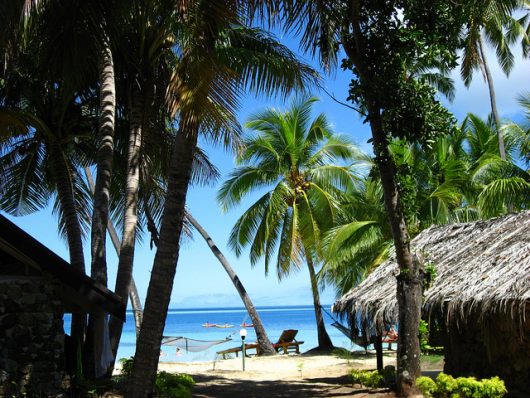
Poverty in Fiji
Fiji is a widely visited holiday destination. The country is well-known for being home to some of the happiest people on earth. However, for decades Fiji has been suffering from the issue of growing poverty and inequality. Here are five facts about poverty in Fiji.

  1. Since the first military coup in 1987, poverty in Fiji has continued to increase. The coup resulted in political instability leading to a decline in economic performance and a growing issue of poverty.
  2. In Fiji, 45% of the population lives below the national poverty line, more than 250,000 individuals. According to economic surveys over 50% of the population lives on less than FJD$ 25 a week and cannot meet their basic needs. The increase over time is apparent — in 1977, 15% of the population were living below the poverty rate, in 1991 this increased to 25.2% and in 2003 to about 34.4%. Professor Biman Prasad argues that the incidence of poverty is now more than 45% and approaching 50%.
  3. Households with education below the secondary level are at greater risk of poverty. A significant percentage of individuals in Fiji do not attend secondary school due to a lack of income. According to Save the Children Fund Fiji of 1998, 65% of school dropouts are directly linked to poverty. The cost of transportation and school fees force many families to stop sending their kids to school. Additionally, many of the schools are in poor conditions in need of basic materials. Nonetheless, in 2014 the government announced universal free access to primary and secondary education for all children, hoping to lower the rate of school dropouts.
  4. According to the latest estimates, more than 140,000 individuals live in over 200 informal settlements. More than 13,000 of these native land leases will expire between 1997 and 2028, meaning that if they are not renewed, at least five households are displaced for every expired lease.
  5. The income gap between the rich and the poor is very wide and continues to increase. Fiji’s traditional tribal structure is still preserved meaning the land is controlled by tribal chiefs who acquire most of the economic benefit. To make matters worse, Fiji is in the midst of a trade deal that economists predict will increase the poverty rate and inequality gap. The Pacific Plan, together with the Pacific Island Countries Trade Agreement (PICTA) and the Pacific Agreement on Closer Economic Relations (PACER) trade agreements partnered and tied with a regional economic zone.

Despite the apparent rate of poverty in Fiji, many politicians and diplomats in Fiji deny the problem and downplay its importance.

– Marcelo Guadiana

Photo: Flickr

October 28, 2016
Share this entry
  • Share on Facebook
  • Share on X
  • Share on WhatsApp
  • Share on Pinterest
  • Share on LinkedIn
  • Share on Tumblr
  • Share on Vk
  • Share on Reddit
  • Share by Mail
https://borgenproject.org/wp-content/uploads/borgen-project-logo.svg 0 0 Borgen Project https://borgenproject.org/wp-content/uploads/borgen-project-logo.svg Borgen Project2016-10-28 12:28:382020-05-28 14:47:41Five Things to Know About Poverty in Fiji

Get Smarter

  • Global Poverty 101
  • Global Poverty… The Good News
  • Global Poverty & U.S. Jobs
  • Global Poverty and National Security
  • Innovative Solutions to Poverty
  • Global Poverty & Aid FAQ’s
Search Search

Take Action

  • Call Congress
  • Email Congress
  • Donate
  • 30 Ways to Help
  • Volunteer Ops
  • Internships
  • Courses & Certificates
  • The Podcast
Borgen Project

“The Borgen Project is an incredible nonprofit organization that is addressing poverty and hunger and working towards ending them.”

-The Huffington Post

Inside The Borgen Project

  • Contact
  • About
  • Financials
  • President
  • Board of Directors
  • Board of Advisors

International Links

  • UK Email Parliament
  • UK Donate
  • Canada Email Parliament

Get Smarter

  • Global Poverty 101
  • Global Poverty… The Good News
  • Global Poverty & U.S. Jobs
  • Global Poverty and National Security
  • Innovative Solutions to Poverty
  • Global Poverty & Aid FAQ’s

Ways to Help

  • Call Congress
  • Email Congress
  • Donate
  • 30 Ways to Help
  • Volunteer Ops
  • Internships
  • Courses & Certificates
  • The Podcast
Link to: The Curse of Oil and its Effects on Poverty in Equatorial Guinea Link to: The Curse of Oil and its Effects on Poverty in Equatorial Guinea The Curse of Oil and its Effects on Poverty in Equatorial Guinea Link to: Family Planning Initiatives in Malawi Help to Stop Population Growth Link to: Family Planning Initiatives in Malawi Help to Stop Population Growth Family Planning Initiatives in Malawi Help to Stop Population Growth
Scroll to top Scroll to top Scroll to top