Volunteers Address Major Diseases in the Dominican Republic
Hepatitis and typhoid fever are major diseases in the Dominican Republic, which occur as a result of contact or consumption of contaminated food and water. According to the CIA World Factbook, mortality rates for typhoid fever can reach as high as 20 percent if left untreated.
The zika virus and malaria, two major diseases in the Dominican Republic, are also a major concern for the Caribbean nation. On January 23, 2016, the National IHR Focal Point for the Dominican Republic recorded 10 cases of Zika, eight of which were acquired locally and the other two imported from El Salvador.
In response, public health authorities continue to educate citizens about the risks.
Many individuals infected with the zika virus and malaria only experience mild symptoms that last for a few days to a week, such as fever, rash, joint and muscle pain, headache and conjunctivitis.
However, Zika poses a much more severe threat to pregnant women, who can pass the virus to their fetus, leading to potential birth defects like microcephaly, as well as hearing deficits and impaired growth.
Though no other cases have been reported in the country since, it is still important that citizens take precautions to avoid infection.
Since the outbreak, participants from the International Student Volunteers (ISV) program and Seattle-based organization Education Across Borders have focused their efforts on reducing the risk of the Zika virus and malaria.
ISV launched its unique international travel program in 2002, and more than 30,000 people have participated since then.
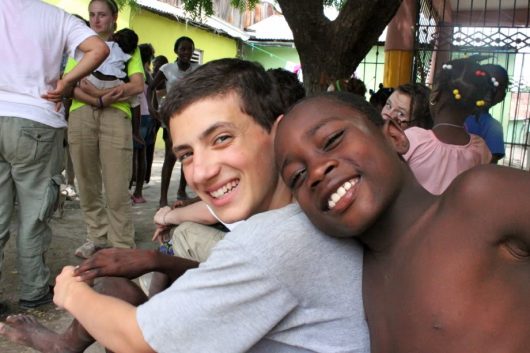
Volunteers from the Seattle Preparatory School spent the beginning of their summer lending a hand to the third world country. While partaking in these trips, individuals learn to convert compassion into action for the common good.
Seattle Preparatory students helped prevent further spread of the virus by supplying mosquito nets that will help hundreds of Dominicans in the affected areas. Along with providing aid in the form of physical resources, volunteers brought energy and readiness to the neighborhood worksite.
The Borgen Project had the opportunity to interview rising senior Olivia Smith who visited a poor town outside the city of Santiago called Franco Bido with her travel group. While there, the group helped to build a home for one family in need.
On her experience, Smith states, “My eyes were opened after coming face to face with the problems they deal with everyday and I realized just how much giving my time and assistance helps them. Although I was only there for five days, I built unforgettable relationships with the community. Our efforts toward constructing an additional bathroom or shower will go a long way in a place where different diseases are so easily transmitted.”
Smith also mentioned that many individuals do not have access to mosquito nets, making it harder to steer clear of bites.
While major diseases in the Dominican Republic continue to affect citizens and travelers, groups like ISV and Education Across Borders continue to implement solutions and strive to leave a lasting impact on the communities in need.
– Mikaela Frigillana
Photo: Education Across Borders
