Effectiveness of U.S. Disaster Response in Nepal
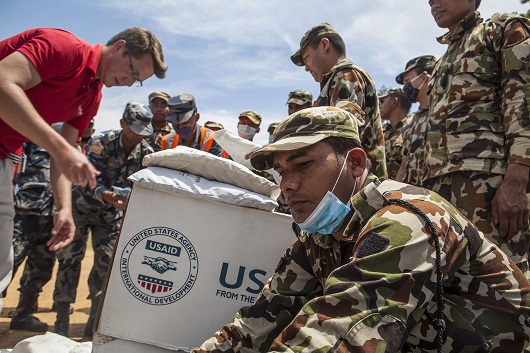
Over the last several months the world has focused on South Asia in response to devastating earthquakes in Nepal, Pakistan, and Afghanistan. With the threat of a natural disaster always looming in this densely populated area of the world, it is important to take note of the methods of disaster response in Nepal that have had the most success.
U.S. disaster response has seen results in curbing the consequences of world crisis when steps have been taken to recognize potential threats and build resilience.
On April 26 of last year, Nepal was devastated by a massive earthquake that claimed the lives of more than 8,000 people and left millions homeless. Given the catastrophic results, it’s hard to imagine a worse outcome.
However, given Nepal’s location in what the U.S. Geological Survey has called “one of the most seismically hazardous areas on earth,” the results could have been far more dire.
With help from the United States and the UN Development Program, prior to the earthquake, Nepal took several steps to help curb the awaiting catastrophe by developing a Disaster Risk Reduction approach.

According to the Council on Foreign Relations, those steps “ran the gamut from retrofitting buildings for seismic resistance; strengthening governance practices on matters of zoning and building codes; helping Nepal develop a more robust disaster response management capacity; creating better advance preparations for search and rescue to save more lives; and raising public awareness to the steps individuals can take to prepare themselves better.”
To that end, U.S. disaster response in Nepal was highly effective despite the devastation. By helping to foster a program of resilience, the U.S. mitigated a substantial portion of the crisis in Nepal.
USAID’s Disaster Assistance Response Team Leader, Bill Berger confirmed this when he said, “I expected a much higher death toll and much higher destruction.”
Outside of Disaster Risk Reduction, The U.S. government has also worked to bolster Nepal’s agricultural sector, which makes up nearly 40 percent of its GDP.
USAID’s Knowledge-Based Integrated Sustainable Agriculture and Nutrition (KISAN) in particular is working to increase agricultural productivity and improve nutrition.
As stated by USAID, some of the key goals of the project are:
- Ensure sustainable agriculture production and post-harvest technologies and practices adopted at farm level in at least 45,000 hectares of land.
- Strengthen the capacity of 200,000 agriculture extension workers, service providers, health workers and Female Community Health Volunteers.
- Produce and ensure adoption of 1,000 tons of high-quality seed by farmers.
Achieving these goals will hopefully work to provide Nepal with the food security to better handle natural disasters in the future. USAID’s KISAN project serves as another important example of how the U.S. is committed to responding to disaster through building resiliency.
– Daniel Liddicoet
