The Heat Wave in Karachi
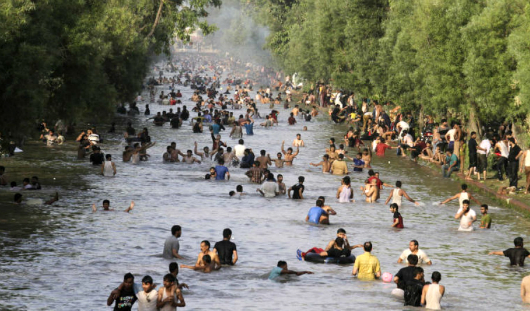
On June 20, 2015, a heatwave struck the city of Karachi. Karachi is the largest city in Pakistan and is home to about 20 million residents. The heatwave that struck had disastrous consequences for many of the residents of the city, killing about 1,300 people and sending scores to hospitals.
Daytime temperatures in Karachi climbed to about 45 degrees Celsius (113 degrees Fahrenheit), the hottest that it has been in Pakistan since 2000. The effects of the heatwave were also compounded by the fact that it occurred during the Muslim holy month of Ramadan, when people fast until sunset and when eating and drinking during daylight is forbidden by Pakistani law.
What’s more, many residents of Karachi did not have power or access to water during the week of extremely high temperatures. Power cuts in Pakistan are common, but the federal government and the main private power company for Karachi, K-Electric, assured the citizens of Karachi that they would make sure that there was power during the heatwave for when Pakistanis broke their fast at sunset. However, they failed to deliver on their promises, and many died due to the lack of air conditioning, water and fans.
Hospitals filled up quickly, with over 65,000 people visiting them for help and to seek shelter. The hospitals had to rely on donations and volunteers for many of their supplies. Some patients were not able to be treated by doctors, and their families were forced to attempt to take care of them while waiting for assistance.
A human body’s normal core temperature is around 38 degrees Celsius (98 degrees Fahrenheit). When our body temperatures rise to 39-40 degrees Celsius, fatigue begins to impact the body and the brain starts to slow the muscles down in order to cool the body. Above 41 degrees Celsius, our body cells deteriorate, chemical processes are affected and the body’s organs start to fail. This heatwave in Karachi affected the homeless the most, and also had a larger impact on poor families, many of whom did not have access to the air conditioning they desperately needed. Older people also suffered disproportionately.
The largest morgue in Karachi, the Edhi Morgue, normally has the capacity to hold about 200 people. It was soon overflowing due to the number of people killed by the heat and received over 900 bodies in the eight days of the heatwave. Many families who visited hoping that the morgue would help them to bury their dead had to be turned away, and cemeteries in Karachi ran out of room in which to bury the dead, leading to mass graves and burials.
Pakistan has suffered from heatwaves before, but this heatwave has led to an abnormally large number of casualties. Some attribute that to the fact that the heatwave occurred during Ramadan, while others blame pollution and climate change for extreme temperatures. These, combined with power outages and water shortages, most likely led to the massive casualties that occurred during the heatwave.
Temperatures have begun to normalize once again, but the residents of Karachi are still suffering from the consequences of the heatwave. In order to help those in Karachi, people have been donating to the Edhi Foundation (https://edhi.org/), which runs an ambulance service and the Edhi Morgue and is working to ensure that those who have died due to the heatwave receive a proper burial.
– Ashrita Rau
Sources: BBC, New York Times, CNN, International Business Times, The Huffington Post, The Guardian, The Edhi Foundation
Photo: Today Online
