Counting the Uncountable – Displaced Individuals
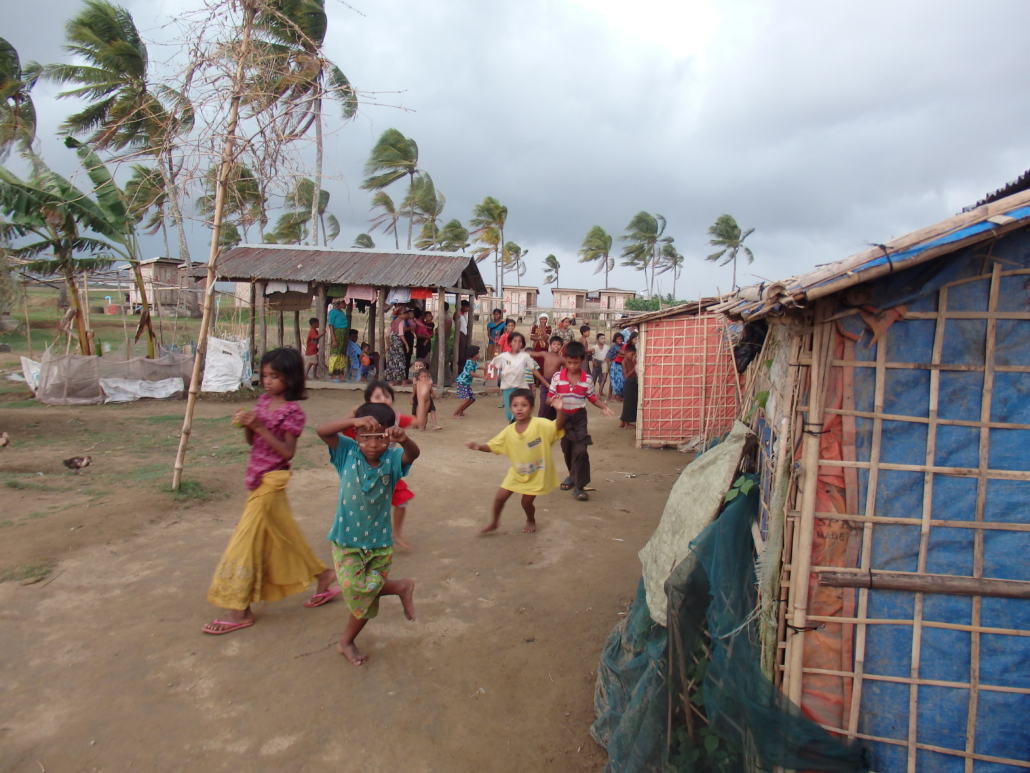
One of the biggest issues humanitarian agencies face today involves counting the number of displaced individuals in stateless populations globally. Stateless people, or those who are not recognized as nationals of any country, are often denied human rights and services, are forced to live out of the way of modern society and are undocumented and unseen by political officials. They often have limited access to employment opportunities, healthcare, education and protection. Clearly, these groups of people are in critical need of aid, but because many organizations have no idea of the sheer number of those in need, they have limited access to it.
There are many causes of statelessness. Lack of birth registration, changing national boundaries or discriminatory policies are some sources. For example, Myanmar refuses to recognize its more than 1.3 million Rohingya people, who face violent backlash, homelessness and disease. In Zimbabwe, people born to foreign parents became stateless as a result of the country’s 2001 Citizenship Act. The UN estimates there are 700,000 undocumented people in the Ivory Coast alone. Further, many stateless people are hesitant to identify themselves as such because it leads to further exclusion: they fear the stigma, and further danger, it will attract.
Last year, the UN launched a campaign aiming to end the invisibility of stateless people by 2024. It has developed a plan working to improve qualitative and quantitative measures in countries all around the world to improve the recognition of these people and increase their access to necessary aid. Presently, the UN has only counted 3.5 million such people from 77 countries, but it estimates that there are at least 10 million stateless people on Earth.
There are significant challenges facing these “counters,” however. For one, organizations such as the UN can not rely on national governments to help them number their stateless populations. Because many countries refuse to recognize these populations due to their own policies or border changes, getting proper numbers would require going door to door surveying individual households. The UN plans on focusing on countries that have recently experienced changes in boundary lines, such as South Sudan or former USSR countries. There are also many people who are not explicitly stateless — they claim nationality in a certain country — but who cannot return to that country due to conflict, and thus cannot seek refuge from other countries or aid organizations because stateless aid does not apply to them. There is much to be done beyond simply recognizing the problem that is undocumented populations.
However, efforts to put a number on undocumented people around the world will encourage aid organizations to provide these people with the help they so desperately need. Organizations will be able to design better policies and programs to help a broader number of stateless people. Though counting uncountable people comes with numerous challenges, it is an effort that will bring about numerous changes and rewards.
– Jenny Wheeler
Sources: IRIN News, UNHCR
Photo: Flickr
