Fracking and Poverty in Mexico
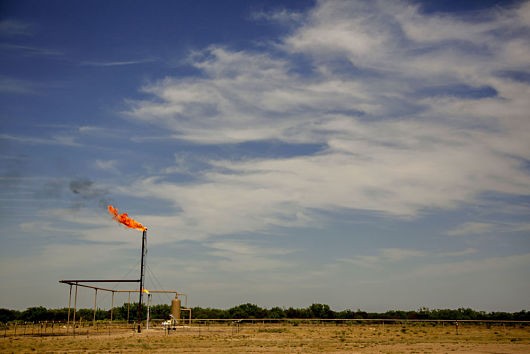
In the poverty discussion, it is easy to forget Mexico. Although less than two percent of the country lives below the international poverty line set by the World Bank, poverty and lack of economic and educational opportunity is very prevalent throughout the country. It is estimated that 42 percent of the population lives in some degree of poverty in Mexico.
Under President Enrique Peña Nieto’s administration, efforts to provide economic and educational opportunities have been made and the country has also instituted universal healthcare during his time in office.
One of Mexico’s newest ambitions is to extract the oil and gas reserves in the Eagle Shale Ford. The massive shale field starts in Texas and runs south along Mexico’s eastern corridor into Veracruz.
According to the Mexican government, the Eagle Shale Ford holds approximately 90 billion barrels of untapped oil and natural gas reserves. This makes Mexico one of the biggest hydrocarbon controlling countries in the world.
Officials believe that the rise of hydraulic fracturing in the United States can be applied in Mexico. Hydraulic fracturing, or “fracking,” involves drilling into shale and blasting a mixture of water, sand and a litany of chemicals against the rock. This fractures the rock, allowing the gas or oil to be extracted.
This method has recently enabled Texas to ramp up oil operations. The state now produces as much oil annually as Mexico does.
President Nieto passed legislation last year that ended Pemex, the state-owned energy monopoly, and opened up foreign investment to private energy companies.
The difference between oil exploitation in Texas and Mexico is striking. Texas has over 8,000 wells operating in the shale field. In northern Mexico, there were only 25 by the end of 2014.
Mexico believes it is in their best economic interest to exploit the rest of their reserves. In an interview with Dallas Morning News, Mexican Ambassador Medina Mora said that the development of wells is key to limiting the influence of cartels. “The best way to counteract organized crime is to develop jobs in poor areas, that’s why investment by foreign energy companies is key to our future,” Mora said.
However Mexico’s ambition to exploit these reserves have many barriers. Some areas in the Eagle Shale Ford are controlled by various drug cartels. Foreign companies performing preliminary drilling have been known to pay cartels for access to prospective well sites.
Those same cartels also illegally extract oil from pipelines. Pemex asserts it has lost over a billion dollars in revenue over the past few years due to this.
For some foreign energy companies, this lack of security has kept them away from Mexico. Federal Congressman Javier Travińo of Nuevo León said that states must “get their house in order” if they want international investment.
Despite the day and night differences in security and infrastructure in Texas and Mexico, fracking still raises the same health and environmental concerns.
Fracking is banned in New York, Maryland and various counties and municipalities across the US. It is prohibited in Scotland and Wales as well. These bans were enacted due to the proven environmental and health concerns surrounding the process.
There are 250 chemicals commonly used in fracking. Many are detrimental to mammals, aquatic life and human health. The water and chemical mixture, or slurry, that is left in the ground has been linked to contaminated groundwater. Some chemicals have unknown effects.
The amount of water used for fracking also raises concern. In 2011, the Environmental Protection Agency estimated that 70 to 140 billion gallons of water were used in the U.S. for fracking. For water deprived Mexico, this will be an issue if necessary infrastructure and security materialize.
Mexico has much more lax environmental regulations than the United States. For companies that have made investments, there isn’t much transparency required with the public.
Gabino Vicente, a delegate from a small town at the southern edge of the Eagle Shale Ford, says companies are leasing land by deceiving owners in Mexico. “They take advantage of the poverty and low education levels to gain access to the land. Many citizens don’t even know what fracking is.”
Mexico is faced with a tough choice. There are direct economic incentives to exploit their natural resources. However, the environmental and social costs, which are obscure and delayed, could negate the monetary gains.
Whichever option is pursued, the citizens of Mexico have the right to be educated about this issue.
– Kevin Meyers
Sources: Global Issues, HSPH, Keep Tap Water Safe, Poverty Data, Dallas News, Roar Mag
Photo: Dallas News
