Hope for Reducing Hunger in Iran
 Iran, located in Western Asia, is the 18th largest country in the world. Its population is around 88 million, of which at least 25.4 million live in severe poverty. Recent studies indicate that nearly half of the population experiences some form of food insecurity and more than “12% of the children under 6 are wasted”.
Causes of Hunger in Iran
- Economic—Food insecurity and hunger in Iran result from various complex challenges. These include economic challenges that have worsened since COVID-19, including raised unemployment and inflation.
This double burden of economic hardship has severely limited people’s purchasing power, making it difficult for families to afford sufficient food and nutrient-rich options crucial for maintaining good health. As a result, many Iranians struggle to secure regular meals, exacerbating the issue of malnutrition and food insecurity across the country.
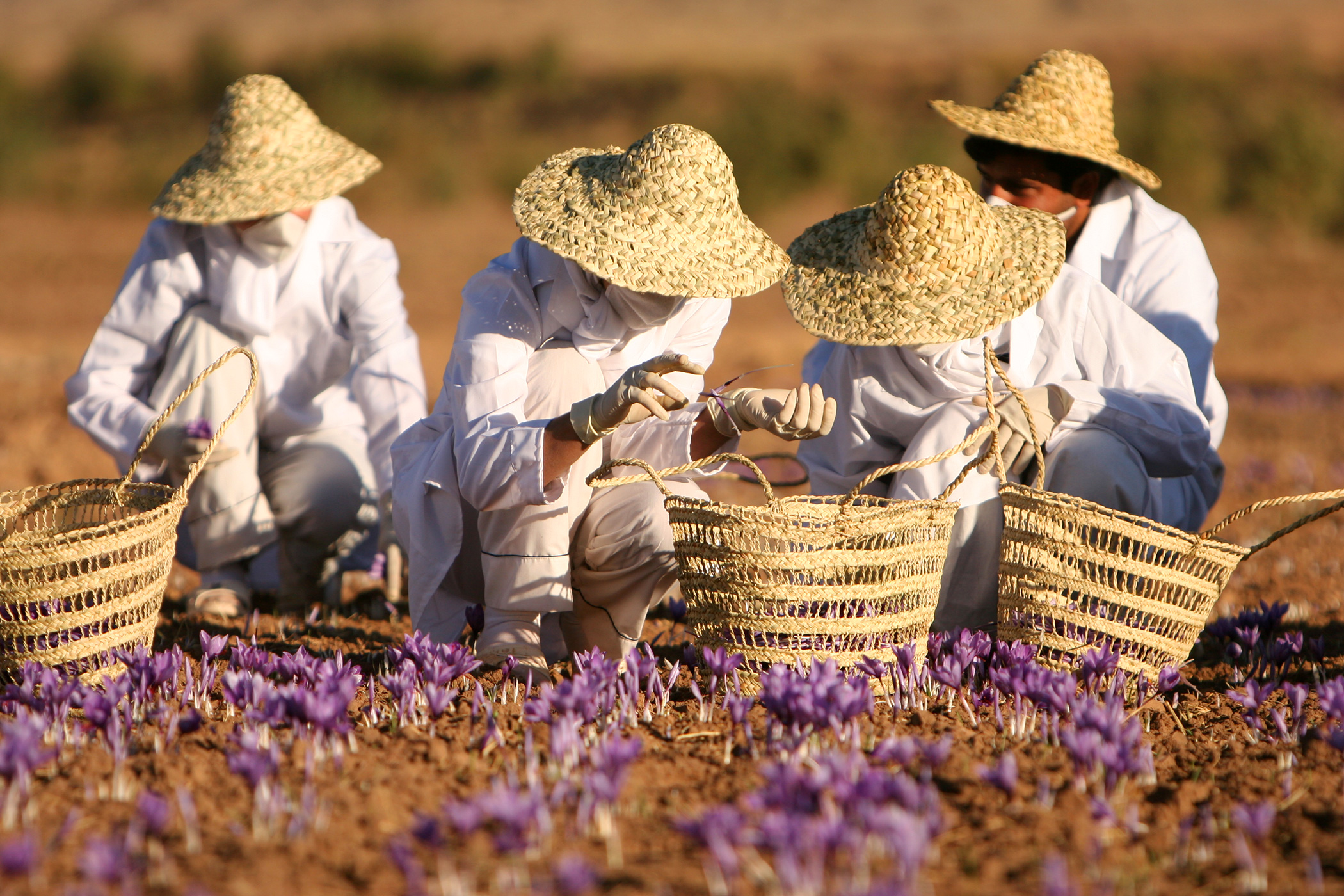
- Agriculture—Iran depends on agriculture to meet its food requirements, producing 13.1% of the GDP. Recent climate changes, such as less rain, droughts and mismanagement of water resources, have negatively affected agriculture, resulting in job losses, lower crop yields, inflation and food insecurity in the population. This has resulted in a surge in poverty and food insecurity.
- Political—Political instability and economic sanctions, such as import bans, have made it difficult for the country to produce food, disrupting supply chains and limiting access to essential resources. These challenges affect farmers and suppliers and have broader implications for the economy and public health.
- Refugees— There are approximately 3.5 million refugees in the country who are not living under ideal conditions. They face limited job opportunities, poverty and a lack of access to education and healthcare. This situation is challenging for them and also strains the economy.
Steps to Reduce Hunger
- UNICEF—UNICEF supports the government in collecting maternal and child nutrition data. The organization also aims to address nutritional deficiencies by enhancing nutrition programs, developing dietary guidelines and educating health care workers on feeding practices for infants and young children. This approach has the potential to nourish thousands of children, reduce health disparities among children and adults, lower the risk of chronic diseases and ultimately help eradicate hunger in Iran.
- World Food Program—The WFP primarily assists refugees by providing cash assistance through ATM cards. It also helps them establish permanent income sources and become self-reliant by setting up small businesses. Additionally, the WFP provides school meals to improve student attendance and health. During emergencies, it supports the government in recovery and rehabilitation efforts.
The Future of Food Security in Iran
Food security is a major concern for Iran, but the country has significant agricultural potential. Enhancing crop yields is essential to ensure a reliable food supply and fully harness this potential. This can be achieved by minimizing water waste and addressing the impacts of climate change. Collaboration between the government and the international community is crucial for success.
To address the challenges of undernourishment and nutritional deficiencies, collaboration with organizations such as UNICEF and the World Food Program (WFP) can offer the Iranian government essential support, technology and resources and help improve the situation. Such efforts will help ensure a food-secure future for all citizens.
– Rebecca Malachowski and Maria Waleed
Photo: Wikipedia
Updated: October 31, 2024

