• Link to X
  • Link to Facebook
  • Link to Instagram
  • Link to TikTok
  • Link to Youtube
  • About
    • About Us
      • President
      • Board of Directors
      • Board of Advisors
      • Financials
      • Our Methodology
      • Success Tracker
      • Contact
  • Act Now
    • 30 Ways to Help
      • Email Congress
      • Call Congress
      • Volunteer
      • Courses & Certificates
      • Be a Donor
    • Internships
      • In-Office Internships
      • Remote Internships
    • Legislation
      • Politics 101
  • The Blog
  • The Podcast
  • Magazine
  • Donate
  • Click to open the search input field Click to open the search input field Search
  • Menu Menu
Blog - Latest News
Global Poverty

Why Poverty Persists in Johannesburg
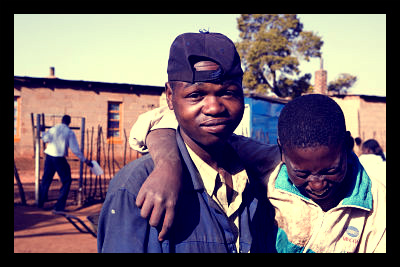
poverty_in_johannesburg

Since the eradication of apartheid in 1994, many South African residents have gradually seen improvements in their quality of life. Nevertheless, poverty still plagues the lives of many South Africans, and residents of the capital city of Johannesburg are no exception.

An estimated 20 percent of Johannesburg residents live in abject poverty, the Johannesburg government website reports. These residents often live in informal settlements that lack electricity, proper roads or any other form of direct municipal services. Another 40 percent live in “inadequate housing,” with insufficient municipal services.

More specifically, the Johannesburg City Council reports that 16 percent of households in Johannesburg lack municipal sanitation, 15 percent do not receive municipal electricity and unemployment stands at 30 percent.

Poverty in Johannesburg still generally falls along distinct racial lines, with black residents making up 72 percent of Johannesburg’s “poor,” according to the government website.

The government attributes much of the city’s poverty to apartheid’s enduring legacy. During apartheid, Johannesburg was divided into a series of local districts segregated by race, with the white districts being substantially wealthier and more self-sufficient than the black districts. Today, racial districting has ended, and the Johannesburg municipal government has been tasked with overseeing seven times the population it had under apartheid.

Illegal immigration also places major stresses on the city, the Johannesburg government reports. In sufficient numbers, migrants from other African countries can strain city and provincial services, which are “allocated on the basis of legal population.”

In response to these issues, the Johannesburg City Council has identified a series of reforms to be implemented, including progressive tax cuts for low-income property owners, low-income senior citizens and low-consumption water users; greater funding to community health services, such as reproductive health care; immunization programs; investment in housing infrastructure; and an overhaul of the city’s transportation system.

As a nation overall, South Africa ranks poorly in several global indicators of national health and prosperity. According to the World Bank, nearly one in ten South Africans live on less than $1.25 a day, one in four are unemployed and one in five are infected with HIV.

– Katrina Beedy
Sources: City of Johannesburg, World Bank 1, World Bank 2, World Bank 3
Photo: Flickr

February 19, 2015
Share this entry
  • Share on Facebook
  • Share on X
  • Share on WhatsApp
  • Share on Pinterest
  • Share on LinkedIn
  • Share on Tumblr
  • Share on Vk
  • Share on Reddit
  • Share by Mail
https://borgenproject.org/wp-content/uploads/borgen-project-logo.svg 0 0 Borgen Project https://borgenproject.org/wp-content/uploads/borgen-project-logo.svg Borgen Project2015-02-19 11:00:282024-05-25 00:13:36Why Poverty Persists in Johannesburg

Get Smarter

  • Global Poverty 101
  • Global Poverty… The Good News
  • Global Poverty & U.S. Jobs
  • Global Poverty and National Security
  • Innovative Solutions to Poverty
  • Global Poverty & Aid FAQ’s
Search Search

Take Action

  • Call Congress
  • Email Congress
  • Donate
  • 30 Ways to Help
  • Volunteer Ops
  • Internships
  • Courses & Certificates
  • The Podcast
Borgen Project

“The Borgen Project is an incredible nonprofit organization that is addressing poverty and hunger and working towards ending them.”

-The Huffington Post

Inside The Borgen Project

  • Contact
  • About
  • Financials
  • President
  • Board of Directors
  • Board of Advisors

International Links

  • UK Email Parliament
  • UK Donate
  • Canada Email Parliament

Get Smarter

  • Global Poverty 101
  • Global Poverty… The Good News
  • Global Poverty & U.S. Jobs
  • Global Poverty and National Security
  • Innovative Solutions to Poverty
  • Global Poverty & Aid FAQ’s

Ways to Help

  • Call Congress
  • Email Congress
  • Donate
  • 30 Ways to Help
  • Volunteer Ops
  • Internships
  • Courses & Certificates
  • The Podcast
Link to: Top Books About Global Poverty Link to: Top Books About Global Poverty Top Books About Global Poverty Link to: Merck for Mothers Improves Global Health Link to: Merck for Mothers Improves Global Health Merck for Mothers Improves Global Health
Scroll to top Scroll to top Scroll to top