Cell Phones Improve Literacy Rates
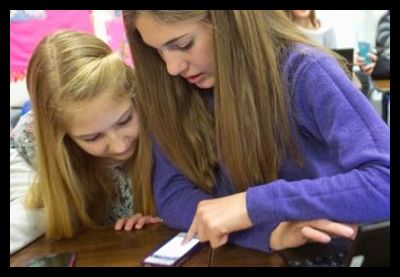
Out of the 7 billion people on the planet, 6 billion have a mobile phone. Cell phones have become widespread in developing countries, and that is not necessarily a bad thing. The mobile technology has become ubiquitous even in poverty-stricken areas and its impact on users is rapidly changing poor populations. Studies conducted in the past have shown that cell phones can provide literacy to the world’s poorest nations.
Literacy is known to be essential for economic development and fighting poverty. More than 1.2 billion people still live in extreme poverty, and nearly 2.5 billion people live on less than $2 a day. Studies have shown that literacy has a positive effect on GDP per capita. It is estimated that if all children from low-income nations could read, the poverty rate could drop by 12 percent.
Cell phones have been named the new important devices in the world. The mobile technology has even helped provide schools, teachers and parents with access to educational insights for success.
Moreover, cell phones help thousands of people in developing countries learn to read using their mobile phones. In fact, before the widespread use of cell phone technology, the adult literacy rate in all of Africa stood at 52 percent; by 2008, the literacy rate had increased to 63 percent.
Illiteracy is partially due to the lack of books in the developing world; an alternative solution to this problem is cell phones. Cell phones are inexpensive, convenient, cost-efficient and provide electronic books in the hands of developing nations.
Literacy not only empowers people, but it empowers the mind as well. When it comes to alleviating global poverty, literacy is important for development. Women who are involved in literacy programs and activities obtain a better knowledge of health and family planning. Additionally, children who have parents that are literate are more likely to be enrolled in an educational program and have extra support toward their studies.
Reports have also shown that low literacy costs the healthcare industry over $70 million each year. Children whose mothers can read are 50 percent more likely to survive past the age of five years old. To be able to read can be vital for survival; understanding medical guidelines or security instructions are crucial for a person’s health and safety.
Literacy also develops societies on a political level. People who are literate have the upper hand in becoming more educated, and therefore are more likely to become civically engaged. Whether they are involved in labor unions, politics, or community activities, they will have the opportunity to change the world. To be able to read, write and count contributes to an individual’s self-development, and allows each individual to have their own sense of personal freedom and better understand how to adapt to the constantly changing world.
– Sandy Phan
Sources: World Bank, Do Something, UNESCO
Photo: USA Today
