Women in Angola Aided with $250 Million Project
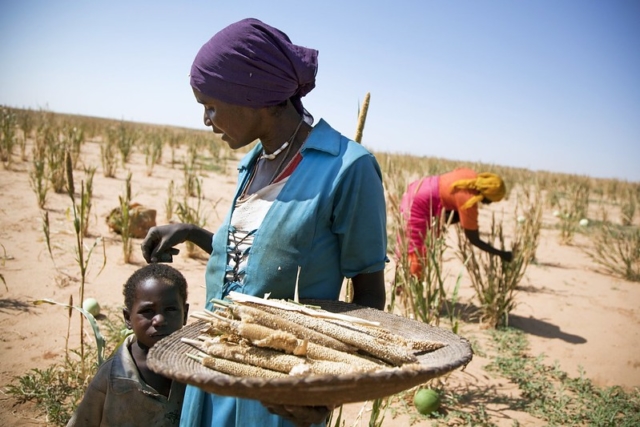 According to the World Bank, Angola has a ranking of 0.36 on the Human Capital Index, which is below the sub-Saharan average. This means that the earning potential of a child born in Angola today is 36% of what it “could have been with complete education and full health.” Research indicates that girls and women are often disproportionately affected by poverty. In April 2021, the World Bank agreed to a $250 million Investment Project Financing in order to support Angola. This project aims to empower girls and women in Angola and address educational poverty in order to increase Angola’s human capital.
Women and Poverty in Angola
Data indicates that more than 30% of Angolan women were married or in a union before the age of 18. Furthermore, in 2016, for women 15-49 years old, almost 26% reported violence by a current or previous intimate partner within the last year. In addition, less than half of impoverished women older than 15 are employed. Moreover, 4.8% more adult women than men are severely food insecure. While women have made some strides in politics, making up nearly 30% of the seats in national parliament, less than 30% of women hold managerial positions. The contribution made by the World Bank will assist Angola to rectify the gender disparities between male and female citizens and empower girls and women to rise out of poverty.
Action From Angola
The National Development Plan that Angola implemented in 2015 set out to ensure equality between men and women in economic, social, cultural and political aspects. Further, the primary goals of the plan focused on addressing occupational segregation and rectifying the lack of representation of women in positions of power. So far, several national campaigns have been launched to promote gender equality and women’s rights. These campaigns include violence prevention and breaking down misogynistic traditions like child marriages.
Angola also implemented several policies to achieve gender equality and empower women. The National Development Plan 2018-2022 continues these commitments, with a significant focus on raising awareness of the importance of gender equality and preventing gender-based violence. The support of the World Bank will help to further the work that has already begun.
The World Bank strongly believes in keeping young girls in school. The organization supports the empowerment of young women to improve health conditions and end cycles of poverty. By ensuring the education of girls, the likelihood of child marriages and adolescent pregnancies reduces. This is a critical goal during the COVID-19 pandemic, which forced many schools to shut down and accelerated the dropout rates of young girls.
Components of the Project
The project consists of three components. The first aspect centers on improving sexual and reproductive health services and increasing community knowledge in this regard in order to encourage the use of these services. The second component will finance 3,000 new classrooms and offer support “to improve teaching and learning outcomes.” Finally, the last component relates to “efficient monitoring and management of the project and supports research to inform education policy development.”
One of the keys to the success of any major project is proper financing and the World Bank has just helped Angola take a critical step in the right direction. The $250 million worth of financing will improve the lives of many women in Angola by focusing on education and empowerment.
– Samantha Fazio
Photo: Flickr
