Water and Sanitation in the Solomon Islands
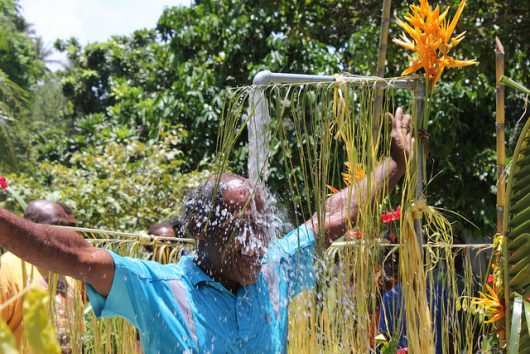 Nearly 70 percent of the population of the Solomon Islands lacks access to clean water and proper sanitation facilities. This archipelago comprises almost a thousand islands in the South Pacific Ocean and only has a population of 583,600.
There are disparities in access to water and sanitation in the Solomon Islands between urban and rural areas. Rural areas house 80 percent of the population (480,000), and there is a relative lack of water and sanitation services. In fact, nearly 70 percent of the population does not have access to appropriate sanitation services.
However, a study from 2007 concluded that 97 percent of urban areas compared to 65 percent of rural areas had access to clean water supply. A similar, but much greater disparity is present in access to sanitation facilities. In 2007, 98 percent of urban areas and 18 percent of rural areas had access to sanitation facilities.
The quality of the Solomon Islands’ urban water did not achieve The World Health Organization’s drinking water standards in 2007. Drinking water with unsafe levels of contamination has adverse effects on health and can cause diarrhea and other water-borne diseases. In 2002, diarrheal diseases accounted for seven percent of mortalities in the Solomon Islands.
In 2015, 93 percent of urban areas and 77 percent of rural areas gained access to improved water sources. This data indicates that the disparity in access to water between urban and rural areas has narrowed. Access to improved, private sanitation facilities in urban areas (72 percent) was disproportionately greater than access in rural areas (8 percent) in 2015.
Without sanitation facilities or access to working toilets or latrines, people’s only option is open defecation. Open defecation and the absence of washing facilities are associated with poor hygiene and an increased risk for skin and eye infections as well as mosquito-borne diseases, like malaria and dengue fever. A lack of private sanitation facilities is also linked to higher incidences of physical and sexual violence. When people—especially women—go outside to bathe and defecate, their vulnerability to violence increases.
A government initiative to improve hygiene, water and sanitation in the Solomon Islands is included in the Solomon Islands Red Cross Society Strategic Plan for 2017 to 2020. If the Red Cross Society Strategic Plan’s target of helping 200,000 people with water, hygiene and sanitation is reached, the results could improve health outcomes and the lives of people in the Solomon Islands.
– Gabrielle Doran
Photo: Flickr
