Urban Farming: A Fresh Approach to Fighting Hunger
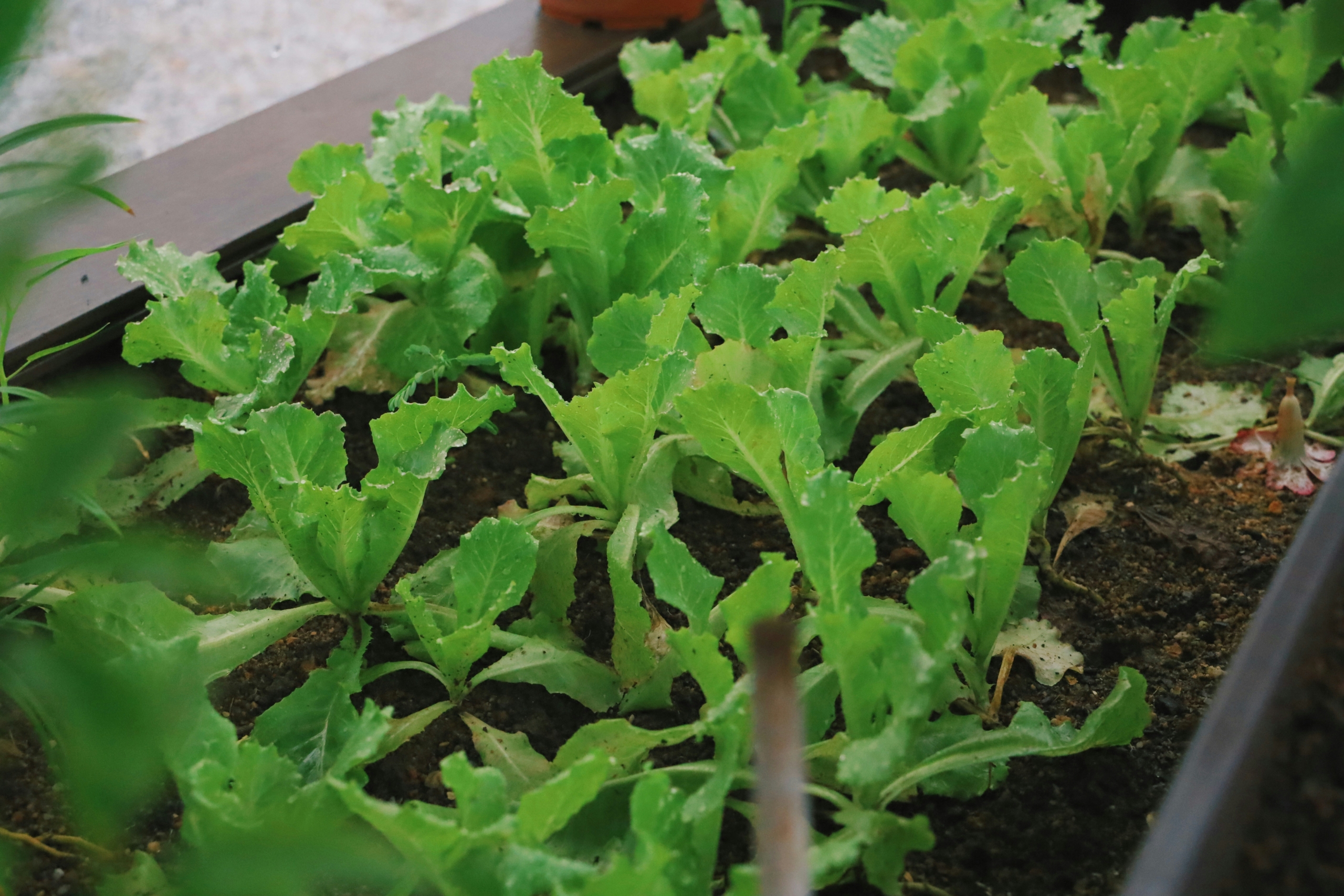 Urban agriculture has gained significant momentum in recent years as cities worldwide continue to face environmental, social and health challenges. Urban agriculture refers to cultivating, processing and distributing food in or around cities, using urban spaces such as rooftops, balconies, parks and vacant lots. It offers a sustainable solution to food insecurity, climate change and urbanization issues.
Cities such as Bogotá and Lima have been at the forefront of this movement, implementing innovative initiatives that have transformed urban landscapes. Through programs like Bogotá’s Green Roofs Program and Lima’s BioHuerto Project, these cities have leveraged the power of urban agriculture to improve the quality of life for their residents.
Bogotá and Lima: Pioneers in Urban Farming
Bogotá’s Green Roofs Program is a unique approach to urban greening that involves converting rooftops into lush gardens. This initiative has helped improve the city’s skyline and also to regulate temperature, purifying the air. Beyond their aesthetic appeal, these green spaces also serve as community hubs where residents can learn about sustainable agriculture and the importance of local food production. In addition to providing fresh produce for the community, these green roofs mitigate the effects of urban heat islands, reduce energy consumption and improve air quality. They also contribute to the social and environmental well-being of the city.
Similarly, Lima’s BioHuerto Project has transformed vacant lots and barren land into productive vegetable gardens. These biohuertos, managed by local communities primarily in low-income neighborhoods, have become a symbol of resilience, showcasing the community’s ability to cultivate nourishment from limited resources. The project has helped provide fresh produce to families who might otherwise struggle with food security, contributing to the city’s social and economic development. In addition to promoting food security, these biohuertos promote biodiversity, provide habitats for pollinators and contribute to carbon sequestration.
Impacts and Challenges of Urban Farming
Urban agriculture has several benefits. It enhances food security for urban families by providing access to fresh, locally grown produce, especially in areas with limited affordable, healthy food options. Moreover, these gardens foster community engagement, uniting residents in a common goal and nurturing a sense of belonging and pride. Urban gardens also contribute to biodiversity, attract pollinators and help in carbon sequestration. They mitigate the effects of urban heat islands, thereby playing a crucial role in adapting to climate change.
Despite the benefits of urban agriculture, these initiatives face challenges such as limited space, resource constraints and regulatory hurdles. Nevertheless, they offer valuable insights for other cities facing similar issues. The lessons learned in Bogotá and Lima show that urban agriculture can be a sustainable solution to environmental, social and health challenges in urban settings, contributing to the creation of more liveable and sustainable cities worldwide.
Looking Ahead
Urban agriculture has enormous potential to transform cities into more liveable, sustainable and equitable places. By leveraging the power of urban spaces, cities can address critical issues such as food insecurity, climate change and social exclusion. More cities could follow the example of Bogotá and Lima and embrace the transformative power of urban agriculture.
– Hana Al-Khodairi
Photo: Unsplash
