Unauthorized Clinics in Cameroon Shut Down
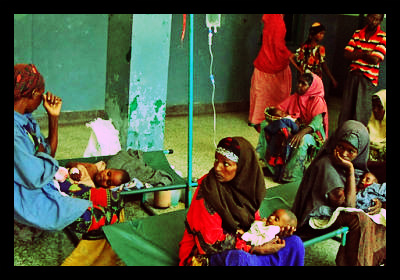
In the midst of a looming health crisis, a troublesome ethical dilemma is presented: small and privately run centers are appealing to people that need certain types of emergency care in Cameroon, where public health care tends to be expensive and not widely available. The country faces numerous public health threats, with a population of 22 million and high HIV, malaria, tuberculosis and infant mortality rates. Because of these ubiquitous health issues, easily accessible clinics may be the difference between life and death for many rural populations.
Cameroon’s government has already identified 600 illegal hospitals and health centers since beginning a campaign to shut down unauthorized clinics.
Family Health Medical Center, in Cameroon’s largest city, Douala, is run by Sylvestre Mebam, who treats about 10 to 15 patients per day. Clinics like Mebam’s exist all around the country, with hundreds of similar family-run medical facilities throughout. Mebam’s clinic often receives patients from nearby government hospitals when people run out of money for treatment there.
The busiest public health facility in Douala, Laquintinie Hospital, is known for slow service and lack of medical staff. When the country already has one of the world’s highest infant mortality rates, the clinics are sometimes the only options when women go into premature labor. When interviewed by NPR, Mebam said he always sends patients to a public facility when the situation is beyond his ability. This unauthorized clinic may be the closest stop for many pregnant women seeking emergency care, but is it slowing down their access to proper treatment?
Although the government is seeking to shutdown some clinics, those that meet staffing, equipment and hygiene standards will be asked to register with the Ministry of Public Health. Dr. Henry Luma, the medical director of the General Hospital in Douala, says, “most of these clinics do not have qualified personnel … There is no way that they have a system to control the quality of care [that] they are providing.” Luma believes the ill-equipped, unregulated clinics should, in every right, be closed.
According to the health ministry, thousands of hospitals that operate without proper authorization are responsible for numerous untold deaths. Although the clinics may offer services and treatments for people with limited access or inadequate funding for public hospitals, they often have infrastructure problems and are not equipped to properly handle emergencies.
Many of these problems stem from counterfeit drugs in unregulated settings. The World Health Organization (WHO) estimates that 200,000 people worldwide die from preventable deaths related directly to counterfeit drugs provided in illegally-run hospitals. Many of these drugs are malaria and tuberculosis treatments, which are two widespread pandemics in sub-Saharan Africa.
Cameroon’s National Medical Council will continue to pursue order by declaring doctors that are not members of the National Medical Council illegal. The WHO continues to “promote evidence-based health policymaking through comprehensive and rigorous analysis of the dynamics of health situations and health systems in the country.” Without government-regulated clinics, the WHO data collected is inefficient and inaccurate.
With approximately two physicians for every 10,000 people, can care in these regulated, government facilities adequately meet the needs of patients? Does investment in such regulated healthcare trump the fact that 32.8% of Cameroon’s population is living in absolute poverty? Can medical costs actually be feasible for those living on less than a dollar per day?
– Maris Brummel
Sources: NPR, Voice of America
Photo: Jezebel
