UHC in Cote D’Ivoire: An Investment in the Future
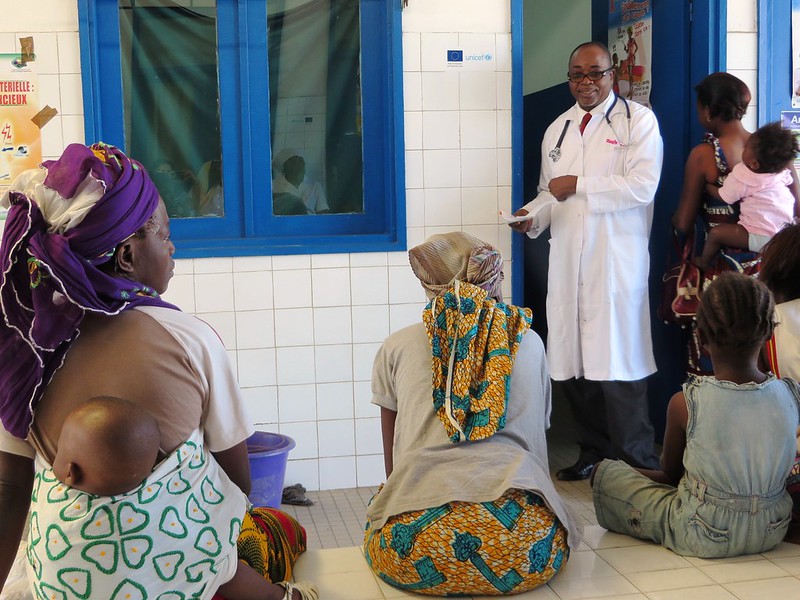 Health is an important factor that can contribute to increased poverty through direct effects and negative feedback mechanisms that can compound this impact. For example, direct health care expenses and, to a greater extent, health-related loss of earnings can significantly damage an individual or household’s ability to maintain net incomes above poverty thresholds. Additionally, lower incomes can incentivize behavior that may result in lower health outcomes, such as consuming lower quality, cheaper food, having more children and experiencing increased stress-related conditions from anxiety over expenses.
Understanding Universal Health Coverage
According to the World Health Organization (WHO), Universal Health Coverage (UHC) is a system that ensures all people have convenient and timely access to the health care services they require at sufficient quality, without financial hardship. UHC can be an important policy measure to create health equity and influence the relationship between health and poverty. Based on data from countries with strong social safety nets and health care systems closest to UHC, the effects of health on poverty are lessened.
Why UHC Matters in Cote d’Ivoire
In West African countries such as Cote d’Ivoire, UHC programs can be vital investments in human capital, especially with a young and fast-growing population. Improving health outcomes can support skills development and productivity, as healthier individuals are able to learn and work more effectively. Increased investment in health care also creates jobs within the sector, which can fuel national economic growth.
Seeing the need for a UHC program, the government of Cote d’Ivoire launched a pilot phase in April 2017 focused on students. After its successful completion, the government introduced its national UHC program, known as Couverture Maladie Universelle (CMU), in 2019. It is funded in part by the National Health Insurance Fund and through contributions from individual workers. To support the rollout, there were efforts to restore and equip hospitals beginning in June 2019.
Ongoing Challenges
Five years after its inception, reports suggested that only around 40% of the population, or about 13 million people, had enrolled in the CMU. One challenge cited was difficulty accessing benefits, such as vouchers provided by hospitals that were not accepted at most pharmacies, requiring patients to pay out of pocket. Additionally, some citizens reported mistrust due to limited information and stories of negative experiences. Covered medications often run out quickly, and substitutes are not yet covered by the CMU. There have also been cases where people pay large premiums for larger families to receive coverage.
Government Efforts to Improve UHC
However, the government has recognized these gaps and is working to address them. In September 2022, enrollment in the CMU became mandatory for all citizens, tied to public services such as passport applications and civil service exam registration.
In February 2024, public-private partnerships were launched with the International Finance Corporation to cover imaging centers and laboratories under the CMU. Mobile enrollment centers are also being rolled out in rural neighborhoods and busy markets to simplify registration and issue health insurance cards on-site. This expansion began in June 2024.
Most recently, in mid-2025, the government announced CMU+, which offers additional cost reductions, including four months of completely free care at rural health centers for enrolled individuals.
Looking Ahead
Overall, Cote d’Ivoire has demonstrated a commitment to improving health outcomes for citizens, especially those with limited income, by working to make an affordable health care plan accessible to all. Although challenges remain, the government continues to expand access to both enrollment and services to strengthen the program’s success.
– Nikhil Kumar
Nikhil is based in Lexington, MA, USA and focuses on Global Health and Politics for The Borgen Project.
Photo: Flickr
