Top 10 Facts About Hunger in the Congo
 To achieve the goal of zero hunger in the Congo by 2030, the international community must understand the root causes and impact of hunger in the country. Only then can effective measures to address it be developed.
Top 10 Facts About Hunger in the Congo
- One-third or 33% of the population is food insecure in the Republic of Congo and 47% live below the poverty line.
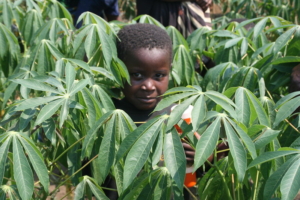
- The main crops grown are cassava, banana and peanuts, which are insufficient to meet the population’s nutritional requirements.
- Around 80% of the population’s food needs are met by imports, as almost 90% of the land is uncultivated. The direct result is that high food prices make food out of reach for most of the population, making them food insecure.
- The floods in 2023 affected at least 1.8 million people in the country, making them reliant on assistance. In addition to its population, the country is home to at least 65,000 refugees from neighboring countries who have also been affected by the floods and require assistance.
- Hunger has led to over 30% of the population being undernourished, particularly affecting children under the age of 5. Statistics indicate that stunting is prevalent in 21.2% of children and wasting in 8.2% of those under 5.
- Hunger is detrimental for infants, who are more vulnerable to its effects. Malnutrition has been the fifth cause of premature death for over 10 years, with infant mortality at 31.3%. Additionally, only 5.6% of children aged between 6 months and two years receive a minimum acceptable diet (MAD).
- Anemia is the second most common cause of disability in the Congo and is directly caused by nutrition deficiencies. In 2016, 63.2% of children under 5 and 41% of women had anemia. Efforts have been made to address this issue, including providing supplements and micronutrient powders for children.
- Around 32% of people live in rural areas where the effects of hunger are more dramatic.
- Despite facing significant challenges, there has been a notable improvement in certain key indicators. Specifically, there has been a slight reduction in the percentage of children experiencing severe malnourishment and stunting, which has led to a decrease in infant mortality from 40% to 31% over the last 10 years.
- The World Food Programme is working towards its “Zero Hunger” goal in the Congo through food and voucher distribution, refugee aid, and nutrition programs. It distributes food and vouchers that refugees and displaced people can exchange for food. It provides nutritious foods for students, some from local farmers. It has also established “social safety nets” that require HIV/TB patients and pregnant women to make regular doctor visits and check-ups in return for food vouchers.
While these facts about hunger in Congo demonstrate the severity of the situation, progress has been and is still being made to improve it. Through the efforts of various organizations, such as the World Food Program, SDG 2 of zero hunger is achievable.
– Massarath Fatima
Photo: Flickr
Updated: September 24, 2024
