Top 10 Fact About Girls’ Education in Jamaica
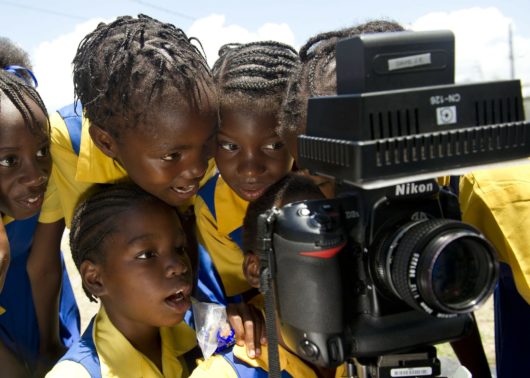
Jamaica has a history, like many countries in the world, of oppressing women. One major issue of gender equality involves access to adequate education. Girls’ education in this country was only recently established, especially compared to boys’ education, but focus on closing this gender gap creates improvements. In the text below, top 10 facts about girls’ education in Jamaica are presented.
Top 10 Fact About Girls’ Education in Jamaica
- Girls’ education in Jamaica only involved home economics and some other basic classes up until around 1944. With the implementation of The Kandel Report and the associated Plan for Post-Primary Education, universal literary core for both boys and girls was established.
- Today, women are dominating school enrollment, closing the gender gap in education. According to a News America Now article, out of the total population of 2.7 in Jamaica, around 40 percent of women go into tertiary education. That’s 2.29 times more than the number of men going to universities and colleges.
- According to the Jamaica Observer, despite the non-existent gender gap in education and the fact the women are more educated than men in Jamaica, women still earn much less in the workforce.
- Women are more likely to do unpaid household labor, have less say in decision-making, and less access to resources. This fact is reflected in a 2017 study that found that women’s income in Jamaica is 39 percent lower than men’s.
- Further globalization can help close this gender disparity in income among educated men and women by connecting women to more business and economic opportunities.
- Apart from gender parity education enrollment, a pressing issue for girls’ education in Jamaica revolves around teenage pregnancy, mostly due to poverty, limited reproductive health care and sexual abuse. According to Brookings, Jamaica’s teen pregnancy rate is higher than the global average, with 59 out of 1,000 adolescent girls becoming pregnant.
- The education policy states that pregnant teens must be dismissed from school until they are allowed to re-enroll once they have the baby. This deprives teen mothers of the education they need and often discourages them to go back.
- In an attempt to establish inclusive education for all, the Ministry of Education, Youth and Information implemented the National Policy for the Reintegration of School-Age Mothers into the Formal School System in 2013. The policy was a significant step toward ensuring that young mothers return to school and complete an education, thus improving their chances to provide for themselves and their children.
- Upon returning to school, there is often a huge lack of support and counseling for teenage mothers. The policy must focus on more care for mothers returning to school to improve enrollment rates and prevent discrimination that diverts many teen mothers from returning to school.
- The Women’s Centre of Jamaica Foundation works to ensure that teen mothers return to school by providing counseling, maternal support, skills training for those unable to return to school, and early interventions providing resources to prevent early unwanted pregnancies.
These top 10 facts about girls’ education in Jamaica can help communities improve gender equality even further. The education system for girls has come a long way, but there are still many ways to improve teen mothers access to education and closing the gender gap within jobs after school.
With programs such as The Ministry of Education and The Women’s Centre of Jamaica Foundation, more girls are able to gain access to quality education. Integrating more globalization and evaluating women’s income will also help Jamaica reach gender equality in the education-career aspect, as these top 10 facts about girls’ education in Jamaica show.
– Anna Power
Photo: Pixabay
