The One Health Approach to Antibiotic Resistance
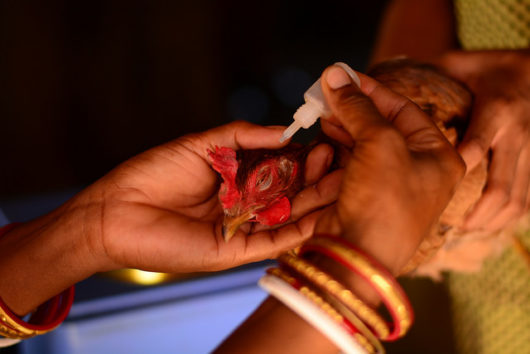
Generally, the One Health Approach is a collaborative method to address the three cornerstones of health outcomes: humans, vectors/wildlife and the environment. There is a growing concern for antibiotic resistance — the 2018 World Economic Forum estimates that for that there were 100,000 antibiotic-resistance-related deaths in U.S. hospitals and 80,000 in China last year.
One Health Approach to Antibiotic Resistance
Alongside the human toll is an economic burden of an estimated global GDP drag of between 1.1 and 3.8 percentage points between now and 2050. The major issue is that the resistance is spreading and the key drivers of antimicrobial resistance include the use and abuse of drugs in humans, animals and agricultural practices. Many of the antibiotics administered to humans are also being utilized to treat food pens for livestock.
There is a crucial link between humans, animals and the environment, which is why the One Health approach calls for action from all three fronts including measures that would limit and eliminate inappropriate drug use and thus infection for animals. The primary concerns in the animal-health and agriculture sectors are the massive scales in which medication is being used. Some are critical for humans — cephalosporins like Penicillin and other common antibiotics, for instance, prevent protein synthesis in bacteria, and fluoroquinolones commonly treat urinary tract infections.
Crucially Important Health Recommendations
It is critical to reduce over-prescribing and over-utilizing antimicrobials, and instead improve sanitation and infection control. There is inadequate conversation about the pollution from industrial, residential and farm waste; thus, the One Health approach calls for improvements in antimicrobial use regulation and policy, surveillance, stewardship, infection control, sanitation, animal husbandry and alternatives to antimicrobials.
The World Health Organization (WHO) recently launched updated guidelines on how people ought to view and use medically important antimicrobials in food-producing animals, recommending that farmers and the food industry stop using antimicrobials routinely to promote growth and prevent disease in healthy animals. By reducing our reliance on these antibiotics in animals, its effectiveness as human medicine can be preserved, if not, prolonged.
Every Action Counts
Small yet uniform individual steps can result in a larger collective impact. These steps from the One Health approach calls for humans to act preventatively, first and foremost. That is, to routinely practice strong hygiene practices which, in turn, can assist in the early detection of infection. Users of antibiotics must remember to not overuse, but rather to use it completely and for the entire treatment period so latent bacteria and fungus cannot mutate and grow resistant.
Vaccination is a key preventative measure as is remaining mindful that pets also share germs with its human owners. From the stance of animals, we must keep in mind that we share the planet with many wildlife species that may be playing its role as disease reservoirs, hosts or vectors, so it is crucial to wear tick spray and protective gear, and to treat these wildlife species with caution and care.
Lastly, on the environmental front, humans must change the current reliance on antibiotics in agriculture practices. Whether preventing crops from getting deterred by pests or encouraging and artificially accelerating growth of hens and pigs, the environment is being damaged and it’s important for populations to remain mindful of this sobering fact.
A Holistic Approach to Antibiotic Resistance
The WHO explains the critical importance of a holistic approach to antibiotic resistance since human use of antibiotics does not tend to recognize “geographic, human, or animal” borders. In general, the main takeaway from the One Health Approach is for all three actors and elements above to collaboratively prevent the spread of these diseases by corroborating with each other.
– Quy Mai
Photo: Flickr
