Supporting the Indian Health Service
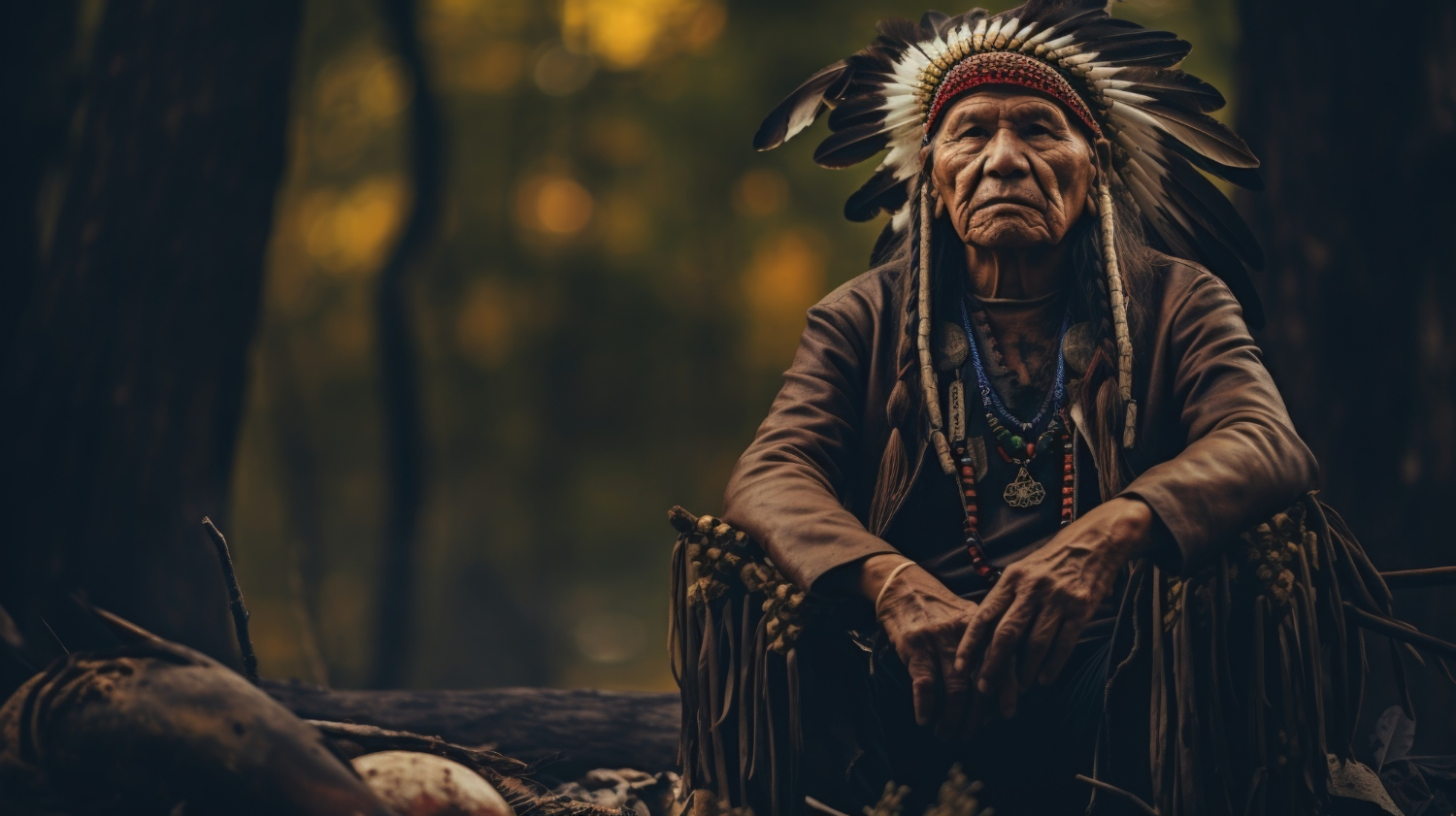 The American Bar Association (ABA) states that Native Americans are the most impoverished ethnic group in the U.S. One in four Native Americans lives in poverty. The unemployment rate for Native Americans has remained at 50% for decades. Overcrowding and lack of economic opportunities on reservations associate poverty with reservation living. This ugly truth ties within the very history of America.
Native Americans have always experienced relatively worse health problems than other races. One can observe this trend since the beginning of America, with different waves of diseases like smallpox wiping out tribes. Forced isolation has weakened their immune system considerably. When combined with poverty, Native people, in almost every case, have a lower life expectancy than Caucasian people suffering from the same diseases, from heart disease to diabetes. Additionally, Native Americans die at higher rates from things like suicide and homicide.
The Indian Health Service (IHS)
The Indian Health Service, or the IHS, addresses the challenges Native Americans face regarding health issues. This division of the Department of Health and Human Services provides direct medical care and advocates health for native tribes and people in the U.S. The program covers and assists anyone of native lineage.
Panics over modern diseases, such as COVID-19, led to the creation of this division to prevent diseases from spreading throughout the entire country by stopping them among the indigenous people first. Nevertheless, this program may have been one of the brightest moments in American history, offering equality to a minority at a time when this was unthinkable, recognizing both native and white people as worthy of government care. It acknowledged both Native and White populations as deserving of government care.
Throughout various administrations, the Indian Health Service has often been the first to face budget cuts, limiting its resources to a mere few billion for comprehensive assistance. The IHS has struggled to adapt to telemedicine and lacks many facilities, making it difficult for tribe members to access them all the time.
Improving and Funding
The good news is that Washington DC and lawmakers fully understand the difficulties the Indian Health Service faces and know it needs rapid improvement. The Trump administration provided an extra billion to the IHS during the COVID pandemic, acknowledging its underfunding. The Biden Administration’s Infrastructure Investment and Jobs Act contributes an extra $700 million annually until 2026 to support tribal water and sanitation systems.
Further, the U.S. Department of Health and Human Services recently granted $55 million to the IHS to modernize and expand the health care facilities of 15 tribes. The money will be used to buy the medical technology many facilities lack and hire more indigenous workers. The solution to the health issue Native Americans face already exists in the Indian Health Service. The goal is to help it thrive as a program now.
– Varsha Pai
Photo: Freepik
