The Impact of Textile Waste in Ghana
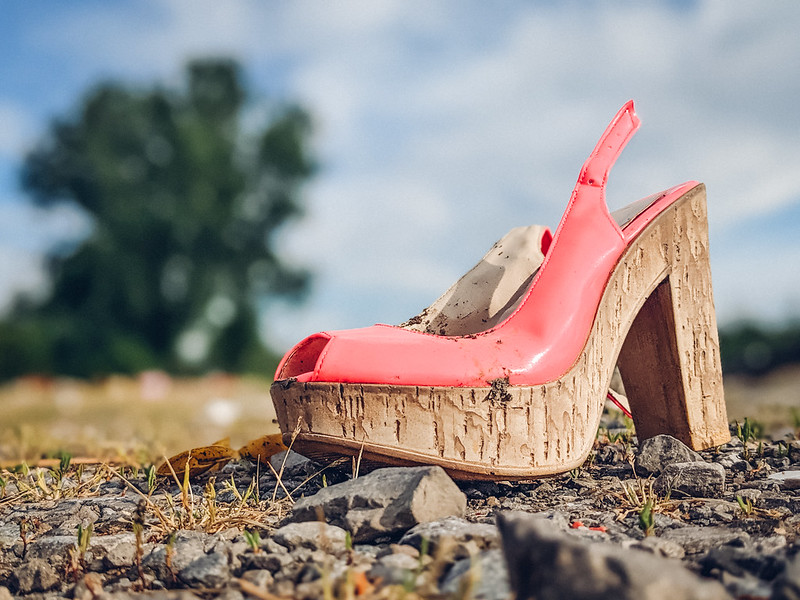 According to The Guardian, the Kantomanto Market in Accra, Ghana, receives more than 100 tonnes of textile waste daily. This excessive waste is taking a toll on the local population, severely impacting their livelihoods.
The Source of the Crisis
The crisis originates largely from Western nations, with the fast fashion industry exacerbating the problem. According to the Australian broadcasting company, people in developed countries are buying 60% more clothes than they did 15 years ago, leading to an estimated 85% of all textiles ending up in dumps annually.
According to The Guardian, Ghana holds the title of the world’s largest importer of secondhand clothing, with approximately 15 million items imported each week, amounting to $214 million (£171 million) worth of used clothes imported solely in 2021. Within an average bale of secondhand clothing, around 40% is classified as waste, resulting in the daily disposal of 100 tonnes of unsellable clothes. Although the city manages to eliminate 30% of this textile waste, the remaining 70% is illegally dumped, inflicting severe environmental damage upon rivers and seas.
The Effects on The Ghanaian People
These dumps are causing havoc not only to the local economy but also to the people of the region’s food supply. Fisherman Kofi Sarpong, speaking to Forbes Africa explained how the textile waste is ruining local economies like fishing stating, “We cannot survive”.
Speaking at the ChangeNOW conference in May 2023, Solomon Noi, director of waste management for Accra metropolitan assembly, made a plea for action, describing the plight of Ghanaians in the region, many of whom rely on fishing for both their livelihoods and food supply.
According to a report by the Bank of Ghana, around 10% of the Ghanaian population relies on fishing for their livelihood and the average Ghanaian receives 60% of their protein intake from fish.
Alongside polluting the rivers and damaging nets, the size of the dumps is beginning to make it impossible for fishermen to even reach the water, wreaking havoc on the Ghanaian people’s ability to sustain themselves and pushing people deeper into poverty. It is not merely the ability to fish that is being affected, but the supply of edible fish itself.
In April 2021, a shocking incident occurred in the region, leading to mass deaths of fish. The government’s response to the situation was conflicting, with some suggesting it was a mere coincidence, but also warning people against consuming the affected fish. The University of Ghana’s Ecological Lab took the initiative to conduct studies, revealing alarming levels of cobalt, copper and cadmium in the fish. The OR Foundation’s report on the matter indicates that while the data doesn’t point to a specific origin of the underlying conditions, it does suggest the presence of a hostile aquatic environment.
Ongoing Efforts
Change is indeed on the horizon, as a collective effort is underway to address the pressing issue of “fashion’s waste crisis,” as highlighted by The Or Foundation.
The EU took a significant step in March 2022 by launching the ‘Strategy for Sustainable and Circular Textiles.’ This forward-thinking initiative aims to combat over-consumption and over-production by promoting resource-efficient manufacturing processes and circular business models. The ultimate goal is to prevent the projected surge in textile waste by 2030, resulting from increased textile production.
In Ghana, the Kantamanto traders took an active role in seeking a solution. In May of this year, they submitted a proposal to the European Environment Bureau (EEB) urging clothing producers to contribute 44p per item to the EEB. A significant portion of the raised funds, at least 10%, would be directed toward resolving the damage caused by the industry. Alongside this, on May 16, 2023, campaigner Yvette Tetteh finished swimming the length of the Volta River in Ghana to raise awareness of the pollution in its waters and the damage textile waste in Ghana is causing to communities in the region.
Looking Ahead
While removing fast fashion entirely from modern Western culture may seem like an insurmountable challenge, the focus on avoiding fast fashion brands offers hope for change. By championing policies like the one suggested by Kantamanto retailers to the EEB and the EU’s continued commitment to reducing textile waste, there is a chance of controlling the destructive footprint of this industry. This, in turn, can improve the living conditions of millions of people worldwide and make a positive impact on the planet.
– Henry Tuppens
Photo: Flickr
