• Link to X
  • Link to Facebook
  • Link to Instagram
  • Link to TikTok
  • Link to Youtube
  • About
    • About Us
      • President
      • Board of Directors
      • Board of Advisors
      • Financials
      • Our Methodology
      • Success Tracker
      • Contact
  • Act Now
    • 30 Ways to Help
      • Email Congress
      • Call Congress
      • Volunteer
      • Courses & Certificates
      • Be a Donor
    • Internships
      • In-Office Internships
      • Remote Internships
    • Legislation
      • Politics 101
  • The Blog
  • The Podcast
  • Magazine
  • Donate
  • Click to open the search input field Click to open the search input field Search
  • Menu Menu

Tag Archive for: Poverty in Algeria

Posts

Global Poverty, Period Poverty, Women and Female Empowerment

Menstrual Organizations Fighting Period Poverty

Organizations Fighting Period PovertyGlobally, about 500 million females suffer from period poverty, which involves a lack of access to menstrual products and appropriate facilities. Consequently, many resort to using cheap materials such as newspapers, rags and socks. Unfortunately, these alternatives often pose serious health risks, including infections. Beyond health risks, period poverty obstructs education for girls and women. Many girls miss school during their menstrual periods due to a lack of access to required menstrual products. On average, girls menstruate for four to five days each month, totaling about 50 days per year. Missing school can have lifelong impacts, including reduced employment opportunities and diminished equality with men. As things stand, menstrual equity, which ensures the affordability, accessibility and safety of menstrual products for those who menstruate could be crucial for ending period poverty.

Period Poverty in Ghana, Algeria and Nigeria

Heavy taxation on menstrual products such as pads and tampons is a growing concern in Ghana. Most menstrual products carry a 20% import tax, leading women to report that these items consume nearly 25% of their income. With the minimum wage in Ghana at 14 cedis, a single pad can cost between 15 and 40 cedis. Consequently, many Ghanaian women resort to using alternatives like cloth and newspapers.

In Algeria, the situation is dire, as it ranks as the worst country for period affordability with an average monthly cost of $34.05 spent on menstrual products. In contrast, South Korea’s average is $25, but it benefits from much higher wages. Nigeria ranks third among countries with the least affordable menstrual products.

Indoni Yamnzi

In South Africa, widely known for its significant gender-based violence issues, the impact extends into aspects of daily life, including education and health. The country reports numerous rape cases daily, reflecting broader systemic issues around women’s rights. This environment contributes to a lack of attention to other significant issues, such as menstrual health, leading to one in three girls missing school during their menstrual period. Addressing this is Indoni Yamnzi, one of the nonprofit organizations fighting period poverty in South Africa. The organization is stepping in to provide crucial support. They offer free menstrual products and educational programs, including reusable safe pads, monthly period packages and empowerment workshops. Unathi, one of the founders, who grew up in Cape Town amid violence, was driven by her more fortunate personal circumstances—including a supportive family and the opportunity for higher education—to create a safer environment and empower girls across South Africa.

MENstruation Foundation

This nonprofit foundation fighting period poverty is also based in South Africa. Founded by Sib Ngesi, a South African actor and producer said: “If men bled once a month, sanitary products would be free. Condoms are free and sanitary products are not, it is a failure of justice.” Until now the foundation has installed 128 sanitary pad dispensing machines and provided girls in school tokens that can be exchanged at the Machine for up to eight sanitary pads per month.

Padbank Nigeria

Ibrahim Faleye, an undergraduate studying biology, founded this nongovernmental organization to educate boys about menstruation and prevent them from shaming girls. Raised with his mother and sisters, Faleye was familiar with menstruation from a young age but recognized that discussing it publicly was considered embarrassing. Determined to dismantle this menstrual stigma, he included boys in conversations about menstruation. After receiving education through Faleye’s program, 14-year-old Opeyemi Adedeji stopped teasing his female classmates about menstruating. He learned that menstruation involves more than just blood—it’s a crucial biological process where eggs are released. Opeyemi even began offering help to his classmates suffering from menstrual cramps.

Breaking the Period Stigma

While contributions through volunteering and donations are valuable, experts say that addressing the deeper issue of period stigma is crucial. This stigma, which shames those who menstruate, has historical roots in ancient religious beliefs that labeled menstruating women as unclean and dangerous, necessitating their separation from men. This archaic view persists, making menstruation a taboo topic. Many individuals feel compelled to speak in hushed tones or use euphemisms like “Aunt Flow” or “Code Red” when discussing menstruation, treating it as an embarrassing subject. To combat this stigma, advocates and organizations fighting period poverty argue that society must accept menstruation as a natural and normal bodily function, open to discussion without embarrassment. Encouraging open dialogue about menstruation across all genders, they suggest, can normalize the topic, reducing the stigma and promoting a more inclusive understanding.

Looking Ahead

Addressing period poverty remains critical, especially in regions where high costs and lack of access to menstrual products exacerbate inequalities and health risks. Organizations fighting period poverty like Indoni Yamnzi, the MENstruation Foundation and Padbank Nigeria are taking significant steps to provide resources and education, whilst also highlighting the urgent need for broader systemic changes. By promoting menstrual equity and challenging the stigma associated with menstruation, these initiatives aim to improve access to essential products, enabling girls and women to lead healthier, more empowered lives.

– Eunsung Koh

Eunsung is based in Seoul, South Korea and focuses on Global Health for The Borgen Project.

Photo: Unsplash
July 2, 2024
https://borgenproject.org/wp-content/uploads/borgen-project-logo.svg 0 0 Precious Sheidu https://borgenproject.org/wp-content/uploads/borgen-project-logo.svg Precious Sheidu2024-07-02 07:30:402024-07-02 05:02:21Menstrual Organizations Fighting Period Poverty
Developing Countries, Global Poverty, Sustainable Development Goals

Updates on SDG 1 in Algeria

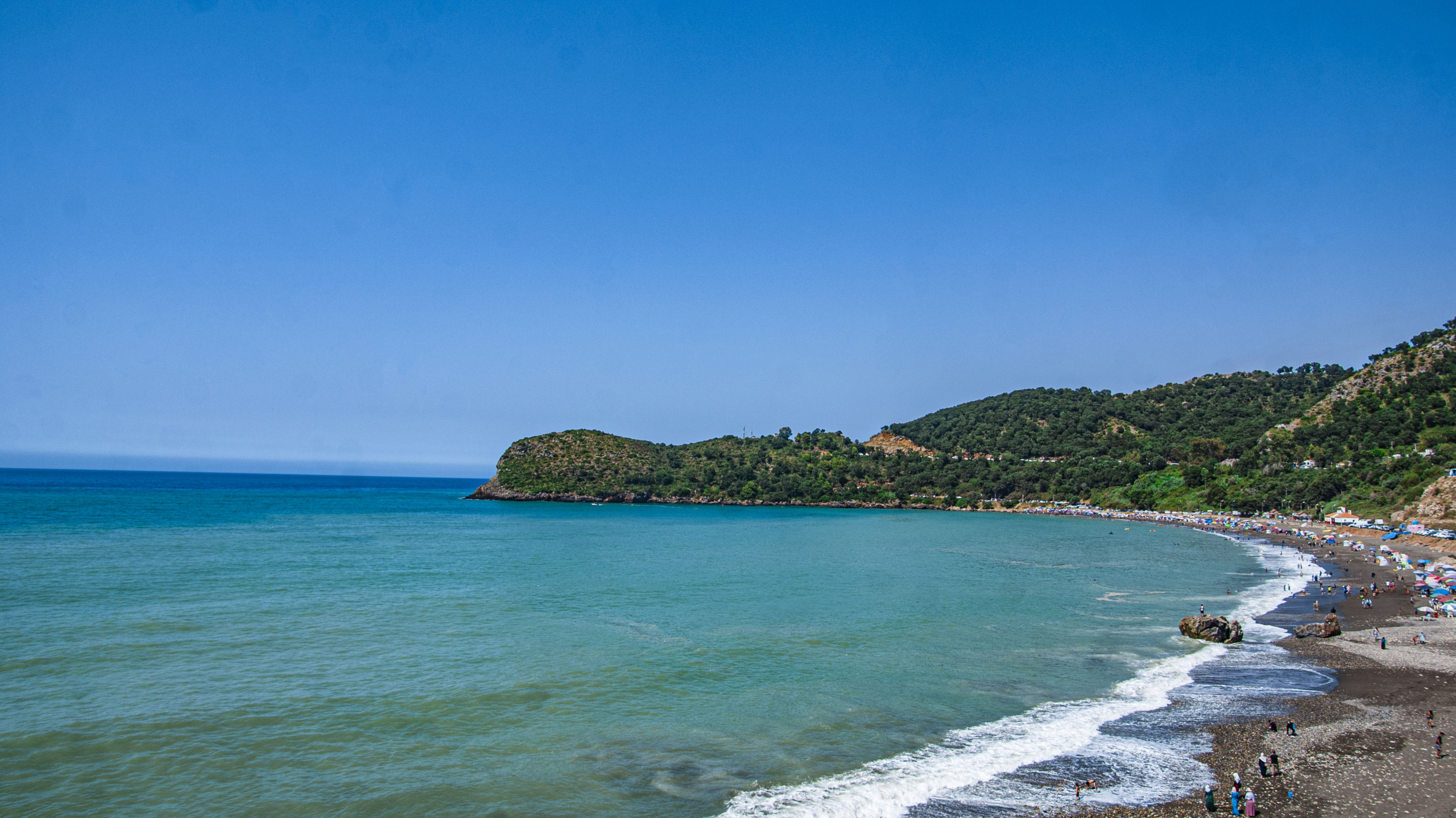
SDG 1 in AlgeriaPoverty is a global issue as its consequences of disease and instability do not have borders and therefore, achieving SDG 1 is an important step not only for individual countries but the global community. Algeria has been steadily working to eradicate extreme poverty, and efforts to reduce multidimensional poverty are still ongoing. This article discusses updates on SDG 1 in Algeria, what the Sustainable Development Goals are and some of the projects that have contributed to achieving SDG 1 in Algeria.

Sustainable Developed Goals (SDG)

In 2015, the U.N. developed 17 Sustainable Development Goals (SDG) to “ensure that by 2030 all people enjoy peace and prosperity,” covering not only poverty but also hunger, disease and discrimination against women and girls among other issues. 

SDG 1 in Algeria and globally targets the poverty line and extreme poverty. Across different countries, there are different official poverty lines based on what is needed to survive in each country. However, extreme poverty is defined generally as having less than $2.15 per person per day and the poverty line is set at $3.65 (at 2017 purchasing power parity). 

Poverty in Alegria

According to the UNDP, in 2021 1.4% of Algeria’s population was multidimensionally poor, with another 3.6% vulnerable. This means that portions of the population while over the monetary poverty line may still have low standards of living, education and health.

For example, 43% of households have at least one child either not in education or training, or without the mandated nine years of free education, according to the Economic Research Forum (ERF). This is particularly significant as the poverty rate reduces in the population with higher levels of education, with rates being between 13% and 16% for those with only a primary education whereas rates are 1% and 2% for those with high education, ERF reports. Further, increased education reduces the difference in poverty rates between male and female Algerians. 

With regards to distribution, multidimensional poverty is not evenly spread throughout the country, with rural areas much more affected than urban areas with rates of more than 30% in the High Plateau Center, High Plateau East and High Plateau West regions, according to the ERF.

Achieving SDG 1 in Algeria

According to the SDG Index, SDG 1 in Algeria has been achieved, and the country is on track to maintain its (monetary) poverty headcount ratio at $2.15. Moreover, Algeria has reduced the percentage of the population living on less than $3.65 per day from 4.06% to 1.78% between 2010 and 2023. 

Algeria achieved SDG 1 through continued efforts that included investing in infrastructure, social politics and diversifying the economy away from relying on hydrocarbon production which currently accounts for 19% of GDP and 93% of exports, according to the World Bank.

Algeria has invested in several projects that aim to lift rural communities out of poverty and keep them there. One such project is the “integrated management project of the Guerbes Wetlands,” where the Algerian Ministry of Agriculture, Rural Development and Fisheries collaborated with the General Forest Authority, the UNDP and the WWF.

The U.N. Global Compact calls it “vital to the well-being of the local people and species” because of the impact on food sources as well as empowering rural women and youth economically, alongside its positive environmental benefits.

While the project mainly covered SDG 6, it did have positive outcomes for SDG 1. According to UNDP Algeria, Nadira Boukerma, a rural project manager, took about 10 unemployed young people and trained them in beekeeping. With their new knowledge and the introduction of modern hives, honey production in the region could significantly increase.

Utilizing Natural Ecosystems

Algeria’s push towards a more diversified economy also involves utilizing natural ecosystems to promote eco-tourism. Taza National Park, through the SEA-Med project, implemented sustainable tourism practices that had positive effects on the local people and engaged both private and non-profit stakeholders. Some achievements are; 

  • Nine new diving clubs established 
  • 412 dive certifications achieved 
  • 19 dive shops opened
  • Eight training courses with 15 people per course
  • Two exchange visits to France totalling 14 participants

While the area received more than 5 million visitors a year, the SEA-Med project also encouraged tourism from within Algeria. For example, in 2011 local diving clubs organised the first underwater photo and video contest on the Jijelian coast in collaboration with park authorities, according to the World Wildlife Fund (WWF) report.

The Future

According to WorldPoverty.io, in 2023 Algeria had 15%% of its population categorized as “living in highly vulnerable conditions” i.e. under $6.85 per day per person. A reduction of this percentage could be the next step in continuing to achieve SDG 1 in Algeria. 

– Rachael Denton-Snape
Photo: Wikimedia Commons

May 3, 2024
https://borgenproject.org/wp-content/uploads/borgen-project-logo.svg 0 0 Jennifer Philipp https://borgenproject.org/wp-content/uploads/borgen-project-logo.svg Jennifer Philipp2024-05-03 01:30:382024-12-13 18:03:10Updates on SDG 1 in Algeria
Page 2 of 212

Get Smarter

  • Global Poverty 101
  • Global Poverty… The Good News
  • Global Poverty & U.S. Jobs
  • Global Poverty and National Security
  • Innovative Solutions to Poverty
  • Global Poverty & Aid FAQ’s
Search Search

Take Action

  • Call Congress
  • Email Congress
  • Donate
  • 30 Ways to Help
  • Volunteer Ops
  • Internships
  • Courses & Certificates
  • The Podcast
Borgen Project

“The Borgen Project is an incredible nonprofit organization that is addressing poverty and hunger and working towards ending them.”

-The Huffington Post

Inside The Borgen Project

  • Contact
  • About
  • Financials
  • President
  • Board of Directors
  • Board of Advisors

International Links

  • UK Email Parliament
  • UK Donate
  • Canada Email Parliament

Get Smarter

  • Global Poverty 101
  • Global Poverty… The Good News
  • Global Poverty & U.S. Jobs
  • Global Poverty and National Security
  • Innovative Solutions to Poverty
  • Global Poverty & Aid FAQ’s

Ways to Help

  • Call Congress
  • Email Congress
  • Donate
  • 30 Ways to Help
  • Volunteer Ops
  • Internships
  • Courses & Certificates
  • The Podcast
Scroll to top Scroll to top Scroll to top