Rural Fishermen Safeguard Small-Scale Fishing in Honduras
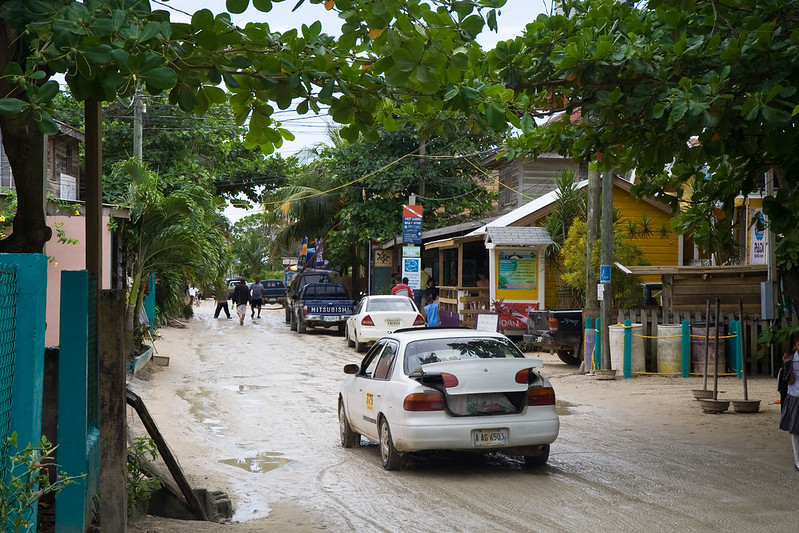 Artisanal fishermen on the Caribbean coast of Honduras are celebrating the creation of a marine protected area managed in partnership with their small-scale fishing communities. The ordinance for the Santa Rosa de Aguan Site of Importance for Wildlife, overseen by the Honduran Forest Conservation Institute, was signed on May 28, 2025. Created in collaboration with Rare, an ecological nonprofit, the project saw the communities of Colon, Cortes, and Atlantida rejoice at the declaration and join together in envisioning a positive future for the fishing industry.
Background
Honduras is a lower-middle-income country, as 63% of the population lives in poverty, one in five rural residents experiences extreme poverty, and 19% of children under 5 experience malnutrition, causing developmental delays. Unstable access to essential services, increasing violence and inequality alongside the changing climate and disproportionate economic growth have contributed to food insecurity and malnutrition.
Additionally, in 2024, the country faced several challenges, including droughts, unpredictable rainfall, inflation, and economic instability, which led to struggles in the agricultural sector and a decline in household incomes. These problems were significantly more damaging in rural and marginalized communities.
Fishing Project
The plan in Santa Rosa de Aguan will involve collaboration with local fishermen, who will survey and patrol coastal waters to combat illegal fishing, utilize sustainable fishing gear, and protect the long-term health of shoreline ecosystems. Beaches, rainforests, coastal mangroves and 12 nautical miles of open ocean comprise the 112-square-mile zone accessible to fishermen working within the new project. With the help of Rare, the project aims to protect 100% of mangrove swamps and reserve 12 nautical miles of open seas exclusively for small-scale fishing and conservation, Good News Network reports.
Rare, through its Fish Forever initiative, has helped create more than 28,000 square miles of community fisheries in 2,000 cities and towns around the world. The global project recognizes that healthy coastal fisheries are essential to the food security, economic prosperity, and climate resilience of coastal communities worldwide. Furthermore, they work with fishers to revitalize coastal fisheries and partner with local governments, funders, leaders, and NGOs to support local communities in managing them sustainably.
Outcomes
According to the Statistics Institute of Honduras, the indigenous Garifuna speakers of Santa Rosa de Aguan live with half their population in extreme poverty. These small-scale fishing communities, comprising multiple generations of fishermen, have exclusive access to sustainable food supplies, employment opportunities, and secure wages. The scheme enables locals to utilize traditional fishing methods, building upon the fishing industry and developing it into a sustainable source of employment in the country. With the help of Rare, fishermen have gained access to an expansive region of waters that will be used to continue developing the fishing industry and eventually contribute to Honduras’ economy. Mayor of Santa Rosa de Aguan, Heber Flores, states, “By protecting the resources that sustain us—fishing and agriculture—we’re securing a future of dignity, resilience, and opportunity for our communities,” Good News Network reports.
The Future
In conclusion, the establishment of the Santa Rosa de Aguan Site of Importance for Wildlife marks a significant step toward sustainable small-scale fishing practices and community empowerment on the Caribbean coast of Honduras. By involving local fishermen and prioritizing environmental conservation, this initiative aims to uplift impoverished communities while ensuring the long-term health of vital marine ecosystems.
As these communities come together to protect their resources, they pave the way for a brighter future where dignity, resilience, and economic opportunity can flourish in harmony with nature. Through collaborative efforts, the vision for sustainable fishing addresses not only immediate needs but also strengthens the overall welfare of future generations.
– Phoebe Guildford
Phoebe is based in Cardiff, Wales and focuses on Good News for The Borgen Project.
Photo: Flickr
