• Link to X
  • Link to Facebook
  • Link to Instagram
  • Link to TikTok
  • Link to Youtube
  • About
    • About Us
      • President
      • Board of Directors
      • Board of Advisors
      • Financials
      • Our Methodology
      • Success Tracker
      • Contact
  • Act Now
    • 30 Ways to Help
      • Email Congress
      • Call Congress
      • Volunteer
      • Courses & Certificates
      • Be a Donor
    • Internships
      • In-Office Internships
      • Remote Internships
    • Legislation
      • Politics 101
  • The Blog
  • The Podcast
  • Magazine
  • Donate
  • Click to open the search input field Click to open the search input field Search
  • Menu Menu
Blog - Latest News
Developing Countries, Global Poverty

Making a Difference: School Gardens in Developing Countries
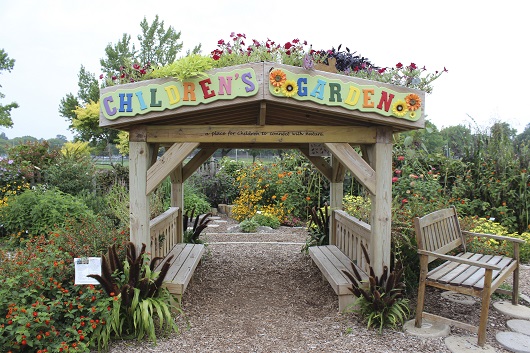
School Gardens in Developing Countries

Right now, world leaders are faced with a daunting challenge. At the current rate the population is growing, it is predicted that there will not be enough food to feed the world, especially in developing countries. Fortunately, the introduction of school gardens to education gives hope to the end of global poverty.

For many children in developing countries, students must walk to school at an utmost of 4 miles. Some children even walk to school knowing they will not have a lunch because their family could not afford the cost.

According to the World Food Programme (WFP), 795 million people are undernourished, meaning one in nine people will not receive enough food to lead a normal, healthy and active life.

Students cannot focus or comprehend new information in the classroom without a proper meal. If students do not learn and go to school, the cycle of poverty will most likely continue.

A solution to this problem exists with school gardens that can help overcome the nutritional crisis. Not only will children be guaranteed a meal during lunch, but they can also learn how to eat a healthy and nutritious meal.

For 14-year-old Marita Wyson, a student from Malawi, her school garden is making a lasting impact on her life and helping her gain the proper nutrients for healthy adolescent development.

“I am able to understand what my teachers are telling me,” she said. “My grandmother doesn’t have to worry so much about how she will provide food for me and my sister.”

With governments partnering with organizations around the world, school gardens are becoming increasingly popular and have shown to give students a better understanding about the environment. If children are introduced to agriculture and the environment at an early age, they are more likely to have a better attitude about the subject.

While the deadline for the U.N.’s 2015 Millennium Development Goals has passed this September, two of the most important goals — cutting poverty in half and making primary education universal — have come a long way since the turn of the century.

While poverty has been cut in half since 1980, primary education lags behind in developing countries including sub-Saharan Africa.

The introduction of these school gardens in developing countries may become the turning point in eradicating global poverty. With the world united, school gardens can make not only an immediate difference but ensure the future of children living in developing countries.

– Alexandra Korman

Sources: FAO, KCET, The Christian Science Monitor, Vox World, WFP
Photo: Flickr

September 20, 2015
Share this entry
  • Share on Facebook
  • Share on X
  • Share on WhatsApp
  • Share on Pinterest
  • Share on LinkedIn
  • Share on Tumblr
  • Share on Vk
  • Share on Reddit
  • Share by Mail
https://borgenproject.org/wp-content/uploads/borgen-project-logo.svg 0 0 Borgen Project https://borgenproject.org/wp-content/uploads/borgen-project-logo.svg Borgen Project2015-09-20 01:30:502020-06-25 10:28:50Making a Difference: School Gardens in Developing Countries

Get Smarter

  • Global Poverty 101
  • Global Poverty… The Good News
  • Global Poverty & U.S. Jobs
  • Global Poverty and National Security
  • Innovative Solutions to Poverty
  • Global Poverty & Aid FAQ’s
Search Search

Take Action

  • Call Congress
  • Email Congress
  • Donate
  • 30 Ways to Help
  • Volunteer Ops
  • Internships
  • Courses & Certificates
  • The Podcast
Borgen Project

“The Borgen Project is an incredible nonprofit organization that is addressing poverty and hunger and working towards ending them.”

-The Huffington Post

Inside The Borgen Project

  • Contact
  • About
  • Financials
  • President
  • Board of Directors
  • Board of Advisors

International Links

  • UK Email Parliament
  • UK Donate
  • Canada Email Parliament

Get Smarter

  • Global Poverty 101
  • Global Poverty… The Good News
  • Global Poverty & U.S. Jobs
  • Global Poverty and National Security
  • Innovative Solutions to Poverty
  • Global Poverty & Aid FAQ’s

Ways to Help

  • Call Congress
  • Email Congress
  • Donate
  • 30 Ways to Help
  • Volunteer Ops
  • Internships
  • Courses & Certificates
  • The Podcast
Link to: Mission of Hope Haiti Builds 500 Homes Link to: Mission of Hope Haiti Builds 500 Homes Mission of Hope Haiti Builds 500 Homes Link to: Developing World Connections: Poverty-Alleviating Projects Link to: Developing World Connections: Poverty-Alleviating Projects Developing World Connections: Poverty-Alleviating Projects
Scroll to top Scroll to top Scroll to top