5 Sanitation Projects in Myanmar
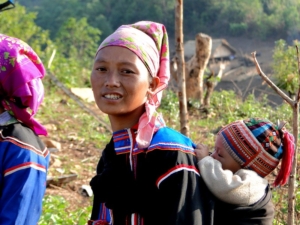 Increased conflict and natural disasters have contributed to challenges around clean and accessible water in Myanmar. Several international and community-based groups are working to deliver vital sanitation needs across the country’s most isolated territories.
Background
In the last decade, water sanitation in Myanmar has improved significantly; around 82% of households have access to essential drinking water. Despite promising numbers, up to 9 million people, of whom 3 million are children, have no access to potable water sources. With some of the world’s most isolated populations, external aid has provided sustainable water solutions in Myanmar. The military coup of February 2021 has posed significant challenges to existing humanitarian corridors. Topographical vulnerabilities in Myanmar also result in swathes of land particularly vulnerable to natural disasters, including rain-induced landslides and cyclones.
With over 100,000 internally displaced civilians in the wake of resurgent political violence, international aid groups are fighting to provide solutions for water sanitation in Myanmar. Here are five organizations leading sanitation projects in Myanmar.
5 Sanitation Projects in Myanmar
- UNICEF – UNICEF has delivered water, sanitation and hygiene (WASH) services to Myanmar for over 20 years. As of May 2021, UNICEF WASH aid had supported around 35,000 people across Myanmar. Despite these achievements, supply chains and humanitarian access have severely disrupted aid in the last two years. In March 2023, UNICEF began working intensively with refugee families in Win Ka village, a southwestern Myanma community that has suffered from intensified conflict since 2022. Roughly 239 civilians have struggled with water shortages in the area. This is primarily due to contamination of the local pond, which serves as the village’s primary drinking source. UNICEF has since renovated the pond and constructed safe water systems to benefit internally displaced families.
- WaterAid – WaterAid has detailed three “areas of intervention” when tackling water sanitation in Myanmar. As well as providing WASH services within communities, the team focuses on sector strengthening and collaborating with relevant stakeholders to implement sustainable and durable systems. In 2022, WaterAid Myanmar launched two projects, the first of which was sponsored by the local-based Livelihoods and Food Security Fund (LIFT). The “Healthy Choices” scheme was established to educate rural communities on “hygiene behavior change” and promote understanding of essential hygiene practices. The second project launched by WaterAid targeted women empowerment and livelihood improvement and focused on improving water supply in densely populated communities, particularly in “peri-urban” areas near Yangon.
- International Rescue Committee – The International Rescue Committee (IRC) has provided blanket humanitarian aid in Myanmar since the aftermath of Cyclone Nargis in 2008. Today, the IRC is particularly concerned about under-resourced health care services and internal displacement in the country. They have focused on responding to the “near-complete collapse” of the health sector, as physicians have protested against political violence and conflict.As of 2023, the IRC remains one of the largest health care providers in the northern state of Rakhine, which lies on the border of Bangladesh and has struggled with an influx of refugees and ethno-religious tension. Regarding water sanitation in Myanmar, the IRC has worked to implement WASH facilities and outbreak prevention measures since the COVID-19 pandemic. They operate in predominantly rural states, including Rakhine, Chin and Shan.
- British Red Cross – The British Red Cross has not only responded to emergency crises across Myanmar but also has an ongoing sanitation project in Rakhine state, implemented in 2021. The poverty incidence rate in Rakhine is double the national average, with 26% of households without running water. The British Red Cross has teamed up with the Red Crescent in Bangladesh to improve water sanitation in Myanmar. The Rakhine project involves COVID-safe instruction and implementing toilet and drinking water stations. The Red Cross has also provided WASH aid in the Cox’s Bazar district of Bangladesh, which has faced an influx of displaced Myanmas and growing risks of water-borne diseases.
- EU Civil Protection and Humanitarian Aid Operation – In early 2023, the EU aid coalition allocated €48.4 million to Myanmar for humanitarian aid. This includes disaster preparedness and support for internally displaced communities, specifically the Rohingya minority population. In May of this year, the EU donated another €2.5 million in emergency funds to support communities affected by Cyclone Mocha, which devastated water and sanitary systems. Continuing efforts are needed to regulate the cost of safe drinking water in Myanmar, with prices becoming increasingly unaffordable at around $0.36 per 20 liters. These costs have made water sanitation an even more significant challenge for displaced families living in informal settlements and camps. The EU has recognized the need for greater support towards these communities and has released a further €12.5 million in funds for dislocated communities, such as the Rohingya minority.
In conclusion, sanitation projects in Myanmar are crucial for improving public health, reducing the spread of diseases, and ensuring access to safe and clean water and sanitation facilities for all. These initiatives play a vital role in addressing the country’s sanitation challenges, particularly in underserved areas.
– Cara Jenkins
Photo: Flickr
