Advancements in Rural Health Care in the Philippines
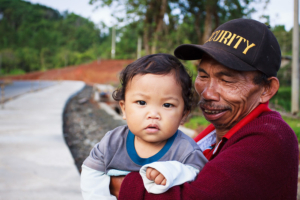 In recent years, health care in rural areas of the Philippines has undergone significant advancements, bridging the gap between urban and rural health care access. These developments have brought about positive changes, ensuring that residents in remote regions have access to quality health care services. Some key areas of advancement in rural health care in the Philippines include telemedicine services, health clinic mobility, infrastructure, the role of community health workers and health programs.
Telemedicine
One of the most notable advancements in rural health care is the implementation of telemedicine. The Philippines, where 52% of the population resides in rural areas, has become known as the “texting capital of the world.” This means that through the use of technology, health care professionals can remotely diagnose and treat patients in rural areas. This allows individuals to receive medical advice and consultations without the need for long and costly journeys to urban centers, while also allowing medical professionals who do live and work in rural areas to refer problematic cases to more equipped urban professionals.
Telemedicine increases access to health care in rural areas and engages rural communities with specialized health information. Furthermore, telemedicine allows general practitioners immediate access to expert consultations.
Mobile Health Units
To reach the most remote areas, mobile health units have been deployed. These units bring health care services directly to communities that lack access to medical facilities. Equipped with medical professionals and necessary equipment, these units provide vital services such as vaccinations, basic check-ups and health education programs.
For example, UNICEF organized mobile health clinics for the Odette typhoon-affected areas of the Philippines, such as Limasawa and Southern Leyte. Individuals within these areas received immediate access to free health care after the typhoon disrupted the usual health services within the community. These mobile health units have become a vital part of people’s lives.
The fact that these disadvantaged areas are already faced with disrupted health services, unsanitary conditions and a lack of access to basic necessities such as clean food and water only exacerbates the outbreak of disease, malnutrition and health concerns. This is why mobile health units are a crucial advancement of health care in the rural Philippines in order to provide immediate and more convenient health care to areas that need it most such as those living in poverty or those in areas affected by natural disasters.
Improved Infrastructure
In recent years, the Philippine government has made significant investments in improving health care infrastructure in rural areas. This includes the construction and renovation of health care facilities, ensuring that they are well-equipped to handle various medical needs.
As of 2020, there were approximately 1,526 rural health units across the country, providing essential health care services to remote communities. Additionally, the government has also allocated funds for the construction and renovation of rural health centers, improving access to health care facilities for approximately 25 million people in rural areas. Upgrades in medical equipment, diagnostic tools and lavatory facilities have also been implemented, enhancing the quality of care provided in rural communities.
Community Health Workers
Community health workers play an important role in the primary health care workforce for many low-income countries in order to reach more rural and disadvantaged areas, and the Philippines was one of its earliest adopters, launching the Barangay Health Worker program in the early 1980s. Since then, the role of community health workers (CHWs) continues to be instrumental in delivering health care services to rural areas within the Philippines.
These dedicated individuals, often from the local community, receive training to provide basic health care services, health promotion and disease prevention. They serve as a vital link between the community and health care facilities, ensuring that health care is accessible and tailored to the specific needs of the rural population. The CHWs improve the impact of health care access in rural areas, as well as influence other community members to become part of the program to increase their own medical expertise and promote health awareness in rural communities.
Health Education and Awareness
Efforts to improve health care in rural areas go beyond physical infrastructure and services. Health education and awareness programs have been implemented to empower individuals with knowledge about preventative measures, proper nutrition and hygiene practices. These initiatives aim to promote healthier lifestyles and reduce the prevalence of preventable diseases in rural communities.
The Department of Health in the Philippines provides diverse health programs to meet yearly national objectives. One organization named Child’s Hope aims to improve the health care of children living in poverty within the Philippines and aims to better the nutrition and health access for children living in the streets within remote areas, providing free mentoring and health care whilst encouraging children’s efforts in education in order to try and lift them out of poverty in later life.
The advancements in rural health care in the Philippines have made a significant impact on the lives of individuals residing in remote areas. Through the implementation of telemedicine, mobile health units, improved infrastructure, community health workers and health education programs, access to quality health care services has improved. These advancements are crucial steps towards ensuring that health care is accessible, equitable and of high quality for all Filipinos, bridging the gap in health care access in rural communities.
– Ellis Nicoll
Photo: Flickr
