Renewable Energy in Refugee Camps
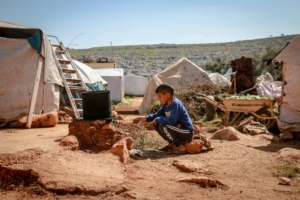 Refugee camps face significant challenges in providing reliable access to electricity, which in turn limits health care, education and economic opportunities. Traditional energy sources, such as firewood and diesel generators, are inefficient, environmentally damaging and expensive. Inadequate lighting and power access also increase security risks, particularly for women and children.
Without sustainable energy solutions, these camps struggle to meet even the most basic needs of their residents. However, innovative renewable energy projects are emerging as a powerful solution, improving living conditions and fostering long-term resilience. The United Nations High Commissioner for Refugees (UNHCR) has been at the forefront of addressing energy poverty in refugee camps, particularly in Rwanda and Jordan.
Renewable Energy as a Transformative Solution
Renewable energy offers a sustainable path forward for refugee camps, reducing reliance on costly and harmful energy sources. Solar power, in particular, has proven to be an effective solution due to its affordability and ease of deployment in remote areas. By introducing clean energy technologies, camps can improve residents’ quality of life while minimizing environmental impact.
Rwanda: Kigeme, Nyabiheke and Gihembe Camps
In Rwanda, UNHCR, in collaboration with the IKEA Foundation, has worked to introduce solar-powered microgrids in the Kigeme, Nyabiheke and Gilhembe camps. Thanks to this partnership, 50,000 people in and around these camps have increased access to renewable energy for lighting, cooking and essential appliances.
These systems provide consistent electricity to schools, health care centers and community facilities. Access to clean energy has improved educational outcomes by enabling students to study after dark, while health care centers can now refrigerate vaccines and maintain critical medical equipment. This reliable energy supply has also supported small businesses, creating economic opportunities for residents.
Jordan: Irbid Camp
In Jordan, the Irbid camp has benefited from UNHCR and IKEA Foundation’s investment in solar power systems. These installations have helped reduce reliance on diesel generators, significantly lowering operational costs. By providing solar-powered water heating and electricity systems to low-income homes, schools and community centers, UNHCR and the IKEA Foundation have ensured that 10,000 refugees and host community members have access to safer, healthier living conditions.
The consistent power supply has enhanced water pumping systems, providing clean drinking water access for thousands of residents. Moreover, improved electricity availability has allowed educational institutions in the camp to incorporate digital learning tools, expanding access to quality education for refugee children.
Broader Implications for Refugee Well-Being
Beyond immediate benefits, these renewable energy projects foster economic resilience by reducing operational costs and enabling entrepreneurial ventures. Access to reliable electricity creates opportunities for small businesses, vocational training programs and improved communication networks, empowering refugees to build sustainable livelihoods. Further, investing in renewable energy helps mitigate environmental damage often caused by over-reliance on firewood and other traditional fuels.
A Path Forward
The success of renewable energy projects in Rwanda and Jordan highlights the potential for border implementation in other refugee settlements. By developing these solutions, international organizations and host governments can improve living conditions, empower displaced populations and promote environmental sustainability. Continued investment in renewable energy ensures that refugee camps evolve from temporary shelter sites into hubs of opportunity and resilience.
– Linnéa Matlack
Linnéa is based in Boston, MA, USA and focuses on Good News and Technology for The Borgen Project.
Photo: Pexels
