Farming for the Future: Regenerative Agriculture in Argentina
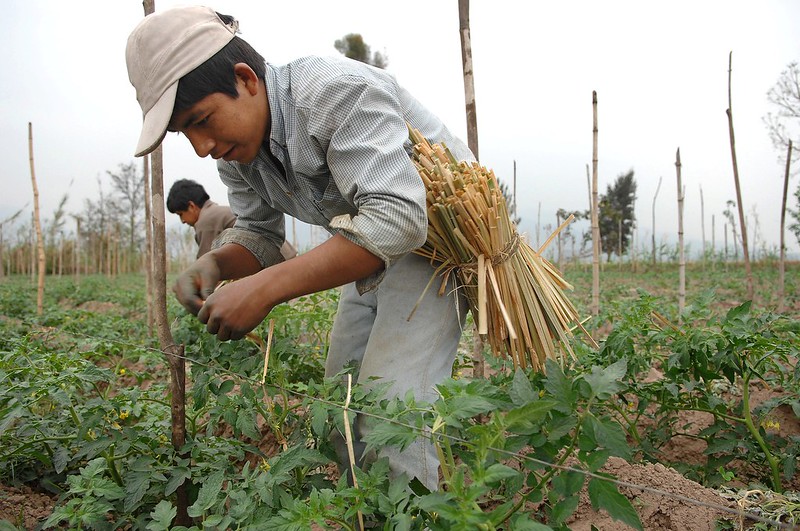 Despite the industrial and cultural changes that have occurred throughout history, the fundamental need for sustenance persists. Whether derived from crops, livestock or vegetation, the ability to sustain a source of nutrients remains the cornerstone of every nation.
In Argentina, agriculture plays a major role in the lives of the country’s 44 million residents. The second largest nation in South America, Argentina has 23 provinces, with Buenos Aires, Cordoba and Santa Fe being the most agriculturally dominant. Although the country impressively produces enough food to feed 450 million people, the rate of production is adversely impacting the environment. Additionally, factors such as inflation and the COVID-19 pandemic have taken a toll on the nation’s economy, pushing some individuals into poverty. As climate change and damaged soil make the future of farming unstable, regenerative agriculture in Argentina may be the solution to what should come next.
Poverty in Argentina at a Glance
Despite the substantial food production in Argentina, a portion of the population is grappling with extreme poverty. Within the country, 44.7% of the population, totaling 17.5 million people, is considered impoverished, with 9.6% living in conditions of extreme poverty.
Some of the poverty in Argentina appear to stem from the unstable economic conditions that have persisted since COVID-19. During the pandemic, there was a significant spike in food prices compared to other market items, disproportionately affecting families with middle and low economic status the most.
The most extreme inflation spike occurred in 2022. Poverty climbed drastically during this time, with four out of every 10 Argentinians living in poverty. By the end of 2022, Argentina had one of the highest inflation rates in the world and had experienced a 3% point increase in the proportion of impoverished people in the last six months of the same year.
Agriculture in Argentina
Many may not imagine the viability of Argentina’s agricultural economic sector because of the increasing amounts of Argentinians living in poverty. However, the country boasts one of the most noteworthy agricultural sectors in the world. A quarter of Argentina’s exports are agricultural goods, making it the tenth largest agri-food exporter globally. This sector provides a third of the jobs available in Argentina and primarily exports corn, meat, soybeans, wheat, wine and wool.
The critical role agriculture plays in Argentina’s economy leaves the nation very vulnerable to experiencing adverse effects from climate change and over-farming.
Regenerative Agriculture in Argentina
Regenerative agriculture is an environmentally conscious method of farming that emphasizes the preservation and enhancement of soil health and nutrient content. This method of farming is important for ensuring the proper cultivation of crops and livestock.
Regenerative agriculture can serve as a tool to stabilize the nation’s economy by providing reliable food sources and creating jobs in the agricultural sector that will survive climate change while also prioritizing environmental protection.
The impact of agriculture on global warming is significant, highlighting the need to develop sustainable farming methods. In Argentina, farmers have started to realize this necessity, leading to a growing adoption of climate-conscious and sustainable farming practices.
La Delia Verde
La Delia Verde is a farm practicing regenerative agriculture in Argentina. After genetically modified soybeans became a common crop in Argentina, farmers quickly realized the potential to make lots of money. Capitalizing on the naturally fertile soil, soybean production experienced a rapid surge throughout the region. However, over 25 years, the nation’s natural soil fertility began to diminish rapidly.
Upon recognizing the detriment intensive agriculture had to Argentina’s environment, the team at La Delia Verde decided to practice regenerative agriculture on their farm. In 2019, La Delia Verde focused its business on farming without harm. The group pledged to preserve the farm’s soil, water, biodiversity and air.
Currently at La Delia Verde, the farm is undergoing a complete redesign to coexist within the land. The goal is to safeguard the naturally occurring resources on the farm. Protecting biodiversity and creating environments for it to thrive is at the heart of La Delia Verde’s mission. This is evident in the team’s additional work to plant trees and provide pastures for their livestock to integrate.
Looking Ahead
Regenerative agriculture stands out as a robust strategy in the global fight against climate change. In Argentina, the adoption of this sustainable farming method promises to not only generate employment but also bring economic stability and enhance food security. The advancements witnessed at farms like La Delia Verde signify just the beginning of the positive changes occurring in this transformative journey.
– Alexandra Straumann
Photo: Flickr
