Reducing Maternal Mortality in India
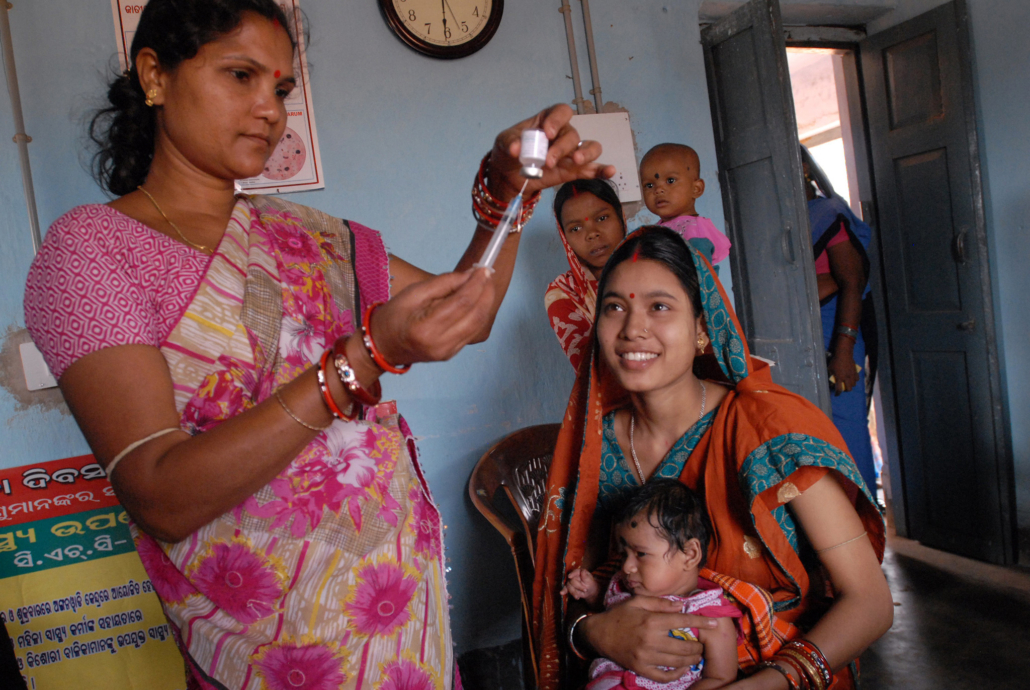
The CDC defines maternal mortality as “the death of a woman during pregnancy, at delivery or soon after delivery.” While the chances of dying during childbirth or pregnancy have decreased drastically over the years, many countries around the world, especially countries with ongoing conflict or poverty, tend to struggle with lowering maternal mortality rates. India is one prime example of a country where women face a high risk of maternal mortality.
Maternal Mortality in India
In 2017, India had the second-highest count of maternal mortality, behind only Nigeria. India noted 35,000 maternal deaths in 2017. In fact, “pregnancy-related complications are the number one cause of death among girls between 15 and 19 years of age” in India, UNICEF says.
For starters, these statistics are due in part to the sheer number of babies being born in India. The population of India much surpasses that of the U.S. or U.K., for example, so it stands to reason that India would see higher numbers of maternal death. Still, for the period 2016-2018, India’s maternal mortality rate stood at 113 per 100,000 live births compared to just 17.4 out of 100,000 live births in 2018 in the United States. This means women in India are more than five times more likely to die during childbirth or pregnancy.
According to the World Health Organization (WHO), “women die as a result of complications during and following pregnancy and childbirth. Most of these complications develop during pregnancy and most are preventable or treatable.” It says further, the “high number of maternal deaths in some areas of the world reflects inequalities in access to quality health services and highlights the gap between rich and poor.”
Specific complications, such as excessive bleeding, high blood pressure, infections and delivery complications, account for 75% of global maternal deaths.
How to Reduce Maternal Mortality
As the WHO highlights, most maternal deaths are preventable. Access to quality health care services during pregnancy, amid labor and after childbirth is essential. “It is particularly important that all births are attended by skilled health professionals, as timely management and treatment can make the difference between life and death for the mother as well as for the baby,” the WHO explains.
India has a universal health care system, yet there are significant differences in the quality of health care in urban and rural areas, with rural areas generally having lower quality health care and fewer options. There is also a disparity between private hospitals and the hospitals that operate on the universal plan. Generally, privately operated hospitals in India have better care but are more expensive. This paradigm means low-income women and women who live in rural areas are at a disadvantage when it comes to receiving timely and high-quality prenatal and postpartum care.
UNICEF and the Indian Government Combat Maternal Mortality
Despite these grim statistics, the government of India, along with UNICEF, has been making strides toward lowering maternal mortality. In the span of just three years, India lowered the number of women dying during childbirth from 130 in every 100,000 (2014-2016) to 113 in every 100,000 (2016-2018).
According to UNICEF, “Maternal mortality is considered a key health indicator and the direct causes of maternal deaths are well known and largely preventable and treatable.” In fact, UNICEF is working with the Indian government to implement standardized birth policies that birth care providers must follow. For instance, through the Reaching Every Mother initiative, UNICEF assists the health ministry in implementing a policy directing that every birth should occur in a health center with the presence of a skilled health professional.
In addition, UNICEF supports the Pradhan Mantri Surakshit Matritva Abhiyan (PMSMA) program, which, according to the UNICEF website, “provides a fixed day for assured, comprehensive and quality antenatal care free of cost to pregnant women on [the] 9th of every month.” The initiative aims to “strengthen antenatal care detection and follow-up of high-risk pregnancies” while lowering the prevalence of maternal mortality in India.
Efforts from the Indian government and organizations like UNICEF have already led to a dramatic decrease in maternal mortality in India, and hopefully, in the future, these numbers will continue to lower as people take more steps to keep mothers safe and healthy during their pregnancies and deliveries.
– Evelyn Breitbach
Photo: Flickr
