Everything You Need to Know About Poverty in Serbia
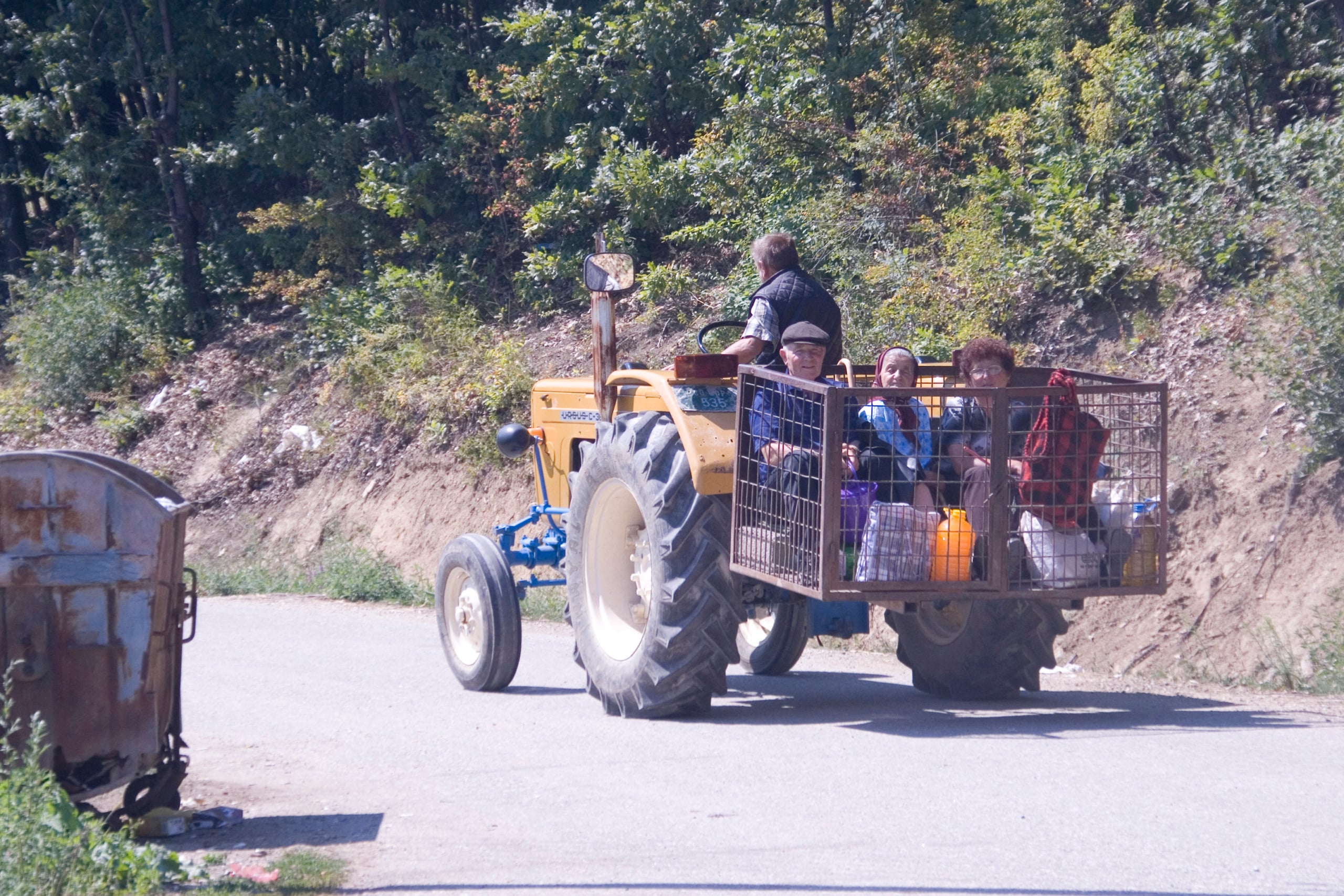
Despite improvements over the last decade, poverty in Serbia remains a persistent problem. Once a constituent republic of Socialist Yugoslavia, the country sits in Southeastern Europe and had a population of about 6.6 million in the 2022 census. Based on Serbia’s income and living conditions survey, the national at-risk-of-poverty rate decreased from 21.4% in 2021 to 19.7% in 2024. The most recent official release placed the rate at 19.6% in 2025. The at-risk-of-poverty rate is a relative measure based on household income below 60% of median equivalized disposable income. Although that figure remains worryingly high, it demonstrates strong progress in reducing poverty in Serbia. Economic growth, increased employment and international assistance may have driven these improvements.
Groups Most Affected by Poverty in Serbia
The number of Serbians who are either in or at risk of poverty varies significantly across demographics and regions. Poverty in Serbia is closely related to regional divides. In 2025, Belgrade’s at-risk-of-poverty rate was 8.4% compared to 27.7% in Southern and Eastern Serbia and 21% in Vojvodina.
The education figures below are not directly comparable to Serbia’s national at-risk-of-poverty rate. Although Serbia measures the at-risk-of-poverty rate based on household income below the national poverty threshold, the education statistics shown below use the World Bank’s international poverty line. This is set at $8.30 per person per day in 2021 purchasing-power-parity terms. Education also plays a major role in differing poverty rates. A World Bank brief using 2023 survey data found that poverty rates for people aged 16 and older without formal education are as high as 35.7%, compared with 9.1% for those who have completed secondary education.
Poverty rates also differ clearly by age. In 2025, people aged 65 and older were at the highest risk of poverty at 25.8%. This is much larger than the 14.9% for those aged 25-54.
Why Poverty Remains in Serbia
Poverty in Serbia persists for several reasons. Poverty rates in Serbia differ considerably between urban and rural communities. The World Bank acknowledges that lagging regions face several challenges, such as attracting and retaining young people, supporting local businesses and providing high-quality public services. These issues may limit economic opportunities and widen regional inequality. Young people may face constraints that further fuel poverty in Serbia. This is visible in rural areas, where poor mobility, geographical isolation and limited employment opportunities are often associated with limited access to education, jobs and vocational training. These factors may contribute to rural-urban disparities.
Efforts to Reduce Poverty in Serbia
Recent data demonstrate clear reductions in poverty in Serbia. International partners have provided key financial aid to Serbia, while the government has also made domestic changes regarding spending and legislation. Since 2014, the European Union has invested more than €91 million (about $102 million) to improve education, employment and social protection, particularly among marginalized groups. This is alongside Serbia’s participation in the EU Growth Plan for the Western Balkans, where the country could receive nearly €1.6 billion (about $1.8 billion). This is to support initiatives that tackle energy poverty, develop labor skills and increase economic opportunities. In 2024, Serbia experienced real GDP growth of around 3.9%, with unemployment reduced to 8.6%.
One of the European Union’s initiatives in Serbia is the EU Support for Social Housing and Active Inclusion (EU SHAI) program. This targets Serbians who are most vulnerable, including Roma families, domestic violence victims and those with disabilities. The program combines housing assistance with education, employment and social services. It has been implemented across 19 cities and municipalities in Serbia, with housing and inclusion support planned for 381 families. In the municipality of Raška, the program has helped more than 80 people receive permanent housing.
Domestically, the government has increased the minimum wage and pensions to provide improvements to Serbians’ living standards. Increased funding for employment initiatives, social protection and education has aimed to improve the standard of living for vulnerable groups and reduce poverty across Serbia.
The Future for Serbia
Poverty in Serbia is still an ongoing issue, especially for rural communities in the east and south. Despite this, recent data demonstrate clear improvements, with fewer people in or at risk of poverty. Poverty in Serbia can further be reduced with sustained investment from international partners and domestic reforms. These could contribute to reducing regional inequalities, increasing social protection and enhancing educational opportunities. Continued support from various actors could further decrease poverty and develop opportunities for Serbians.
– Oliver Doole
Oliver is based in Ipswich, Suffollk, United Kingdom and focuses on Business and New Markets, and Politics for The Borgen Project.
Photo: Flickr
