Foreign Aid and Poverty in Lebanon: Shaping Regional Stability
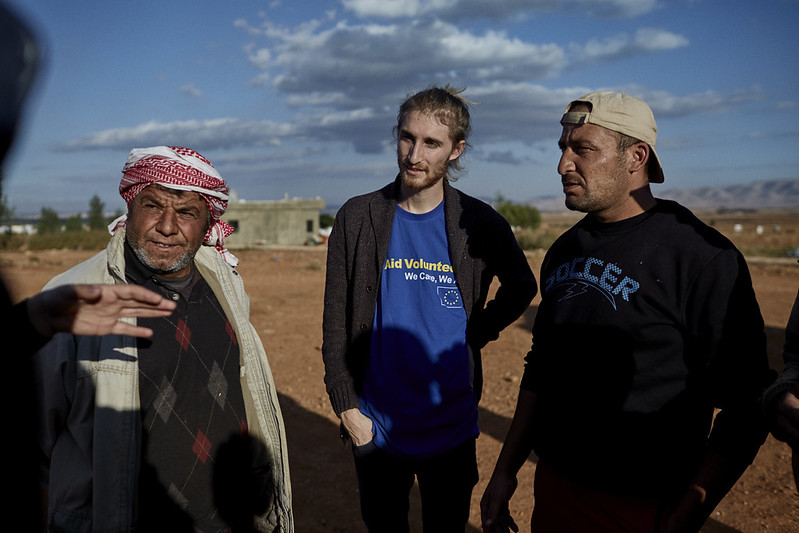 Lebanon’s economic collapse has resulted in more than three-quarters of its people living in poverty, while also accommodating one of the highest per capita refugee populations globally, with around 1.5 million refugees among a total population of under 7 million.
The issue is intrinsically linked to foreign assistance and poverty in Lebanon, with U.S. and European initiatives being pivotal in ensuring food security, educational access for children and availability of health care services. Assistance not only supports at-risk homes but also mitigates unrest that may spread across the Middle East.
Food Vouchers That Keep Families Afloat
International assistance programs have emerged as a crucial support system for several Lebanese families. The World Food Program (WFP) offers electronic food vouchers and financial aid via redeemable e-cards at local retailers.
These allow families to buy essential items while supporting Lebanon’s fragile economy. A mother in Tripoli who relies on the vouchers explained, “With the card, I can buy bread, rice and milk for my children. Without it, I would have to skip meals so they could eat.”
She added that her children can stay in school thanks to aid-supported meal programs. “When they eat at school, I know they can concentrate on learning. It gives me hope they will have a better life than mine.” (Interview)
How Aid Becomes a Tool for Stability
The European Union and World Bank saw assistance as both humanitarian aid and a strategy for fostering regional stability. The World Bank reports that initiatives such as the Emergency Social Safety Net have provided financial aid to more than 150,000 at-risk families.
These programs illustrate the intersection of foreign aid and poverty in Lebanon with overarching objectives, including the reduction of extremism, mitigation of migratory pressures and enhancement of resilience against future adversities.
The Challenges Families Still Face
Despite advancements, political instability and inadequate governance constrain the comprehensive effectiveness of assistance. The International Monetary Fund (IMF) has conditioned its support on structural changes, compelling Lebanon to tackle corruption and financial mismanagement prior to releasing billions in aid.
Nevertheless, assistance groups have established mechanisms to circumvent inefficiencies. Programs using electronic vouchers and direct cash transfers minimize corruption threats while guaranteeing that assistance is delivered to those in greatest need.
“When the aid is late, we run out of food. Sometimes I borrow from neighbors, but they are also struggling, so it is very hard,” the interviewee explained.
Such innovations show how foreign aid and poverty in Lebanon are tightly connected, with delivery methods determining how effective assistance can be.
Aid as Investment, Not Charity
Critics sometimes characterize assistance as unsustainable; yet data demonstrates that expenditures in education, food security and health care provide long-term benefits. For example, each dollar spent in early childhood nutrition generates up to $16 in future economic return, while enhancing educational continuity and food accessibility increases productivity and decreases healthcare expenses.
In Lebanon, assistance not only mitigates suffering but also averts regional spillover effects that might exacerbate security issues, with experts cautioning that state failure could trigger displacement, extremism and wider conflict.
International donors are enhancing the everyday lives of Lebanese residents and refugees, therefore not only addressing immediate needs but also investing in the nation’s resilience and peace. In this context, foreign aid and poverty in Lebanon illustrate that humanitarian assistance serves as a strategic investment in peace and development.
“I do not want charity. I just want steady work. Until then, this help keeps us going. Without it, many families like mine would not survive,” a mother from Tripoli told The Borgen Project.
Why Lebanon Proves Aid Matters
The situation in Lebanon illustrates the intrinsic link between foreign aid and poverty in Lebanon; help serves not just as a moral obligation but also as a mechanism that directly mitigates poverty and enhances regional stability. Food coupons that sustain families and cash transfers that uphold dignity are effective solutions, especially in a precarious political climate. As global leaders deliberate on budgets, Lebanon exemplifies the need to sustain and augment aid: it lleviates poverty and preserves broader stability.
– Ray Bechara
Ray is based in Glasgow, UK and focuses on Politics for The Borgen Project.
Photo: Flickr
