Penta Medical Recycling: Repurposing Prosthetics From the US
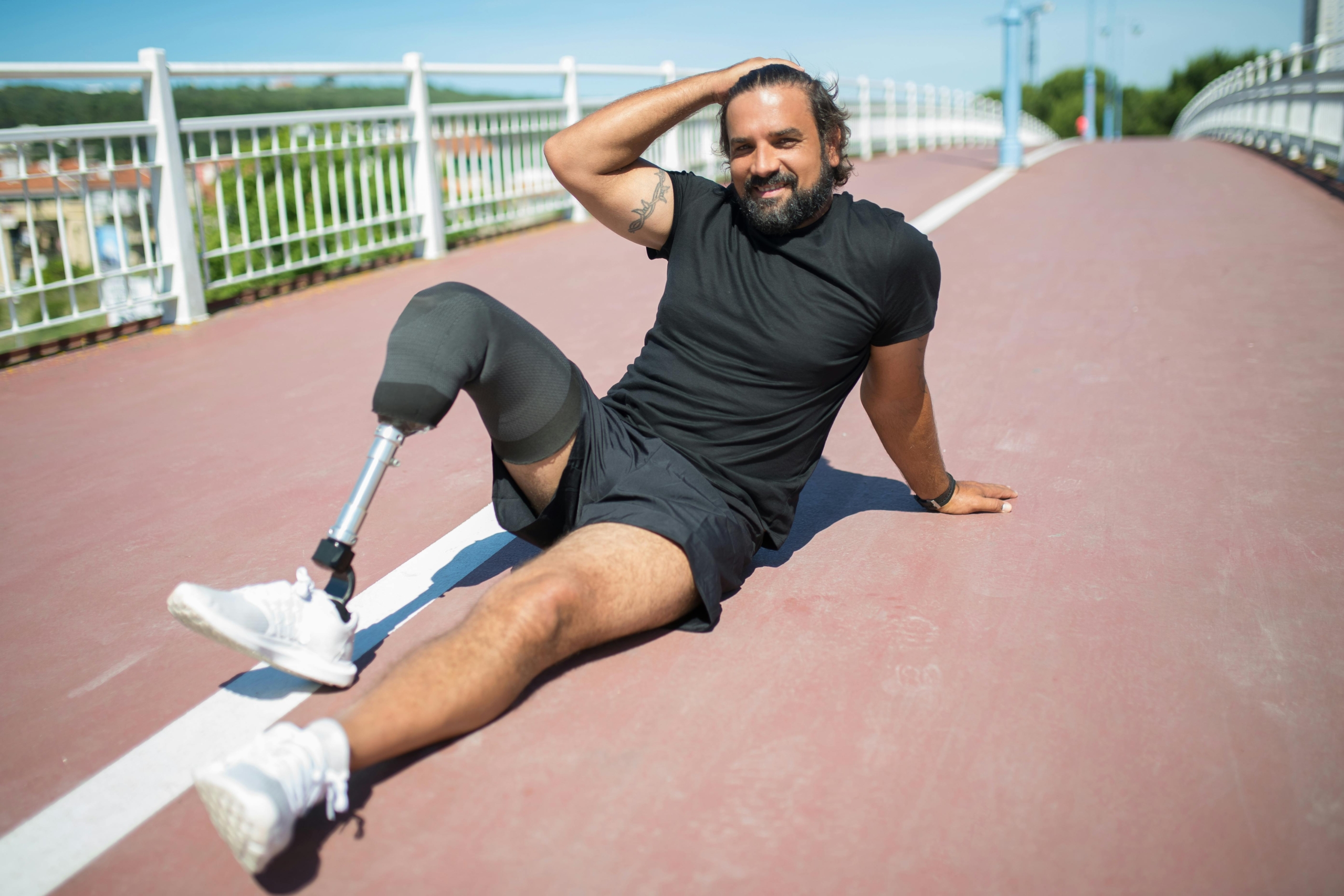 There are 100 million amputees worldwide and up to 95% of them do not have access to prosthetics. The consequences of limb loss can be life-changing and debilitating, with individuals from less developed, lower-income countries often experiencing exacerbated challenges. Living without an artificial limb means amputees are unable to participate in society, go to school or work and are often entirely ostracized from their communities. Access to clean water and other means is also made extremely difficult, putting them at higher risk of water-borne diseases and malnutrition.
Penta Medical Recycling
Founded in 2016, Penta Medical Recycling provides affordable prosthetic care to amputees in low-income countries through repurposing what might otherwise be deemed medical waste in the United States. Penta works alongside governments and health care operators to provide prosthetics to 17 countries most affected by a lack of prosthetic support.
Penta recognizes the significant financial burden faced by all amputees, considering that prosthetics can range from $5,000 to more than $50,000. These costs do not even include the drastically increased health care costs for amputees due to regular check-ups, hospital appointments and operations.
The financial strain is particularly acute for individuals in lower-income countries. Therefore, it seems wasteful to throw away artificial limbs that could be beneficial to so many. In response, Penta has implemented a program to collect and recycle used, yet faultless, prosthetics. This initiative not only helps clinics by relieving them of unwanted artificial limbs but also provides amputees with the opportunity to walk, run, work and, most importantly, thrive.
Since its establishment, the nonprofit has helped more than 1,000 people. In 2022 alone, the organization donated more than 1,841 prosthetic components to partner countries and organizations. These components include feet, adapters, leg liners and artificial knees.
Interview With Pollyanna Hope
The Borgen Project spoke to Pollyanna Hope, an amputee and Global Mobility Ambassador for Penta from Hertfordshire, England. Hope had her right leg amputated below the knee as a result of a road collision when she was 2 years old. Now 18, she is a passionate dancer and one of the first amputees to receive an en-pointe prosthesis.
“Penta’s work is incredibly important because it creates a livelihood for people in developing countries to be included in their communities,” said Hope when The Borgen Project asked why she believes Penta’s work is important and unique. “I know from my own experience. My leg allows me to feel liberated. Prosthetics mean amputees feel more included in their communities and are able to live a more active and healthier lifestyle,” she added.
Hope emphasizes the significant quantity of usable prosthetic legs that are often discarded unnecessarily. She highlights that “artificial limbs typically need replacing every 3-5 years,” with a higher frequency for young individuals who are still growing. In her own experience, there were periods during her childhood when she “needed a new leg every six months.”
With more than 2.1 million amputees in the U.S. and more than 300,000 artificial limbs replaced annually, the inability to reuse or resell these limbs due to certain health regulations indeed raises concerns about wastefulness. Penta’s mission, therefore, becomes particularly vital in addressing this issue and contributing to a more sustainable and impactful approach to prosthetic care.
Conclusion
Even the most affordable and readily available prosthetic limbs can pose a substantial financial challenge and be deemed out of reach for many amputees and their families in lower-income countries. Penta does more than only provide these prosthetics. It gives vital physical mobility, facilitating the integration of amputees into their societies both economically and socially. The value and indispensability of Penta’s work cannot be understated.
– Sapphire Hope
Photo: Pexels
