Organizations Partner for Global Internet Access
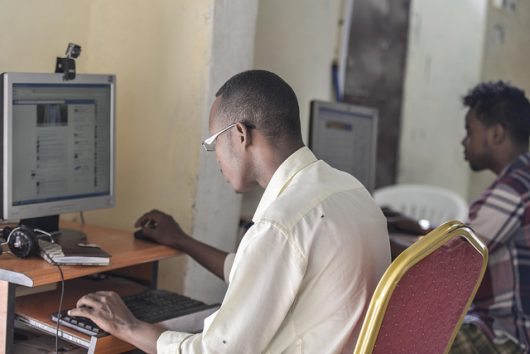
Global internet access creates an equal playing field for both the most and least developed countries in our world socially, politically, and economically. Bridging the digital divide requires hard work from the public, private, and nonprofit sectors.
Part of the U.N.’s goals in the 2030 Agenda for Sustainable Development is to “significantly increase access to information and communications technology and strive to provide universal and affordable access to the Internet in the least developed countries by 2020.”
In 2015, 54 percent of people in developing countries reported using the internet at least occasionally. Eighty-seven percent reported using the internet in developed countries in the same year.
The World Economic Forum described how the internet boosts economies in developing countries through increasing efficiency and productivity in many industries, and also provides financial, health, and educational services to those in developing countries.
Also, social media empowers people to rebel against dictatorships. For example, in 2011, Egyptian citizens organized protests against former President Hosni Mubarak using Facebook and Twitter. Similarly, in 2013, Turkish citizens turned to social media outlets such as Facebook, Twitter, Ustream, and Vine for information on protests, since formal media outlets were censored.
So Who’s Involved?
There are many different sectors working toward global connectivity. Google Alphabet is working on Project Loon, allowing for global internet coverage through balloons. Project Loon is a project under X, Google Alphabet’s moonshot (technological innovation) factory. Google is not the only major technology company getting involved in global connectivity. Facebook has the Connectivity Labs, and Microsoft has the Affordable Access Initiative.
One major organization that helps promote global connectivity is the Alliance for Affordable Internet. This organization focuses on reforming regulations and policies in various nations through forming on-the-ground coalitions in each nation, with representatives in the public and private sectors. Facebook, Google, and other businesses and nonprofits are members of the Alliance for Affordable Internet.
In late January, the Digital Gap Act passed in the U.S. House of Representatives. The Digital Gap Act is a foreign policy bill that aims to increase internet access for those around the globe, especially for rural farmers and women.
Many different sectors will have to work together in order to successfully achieve the important goal of global internet access.
– Jennifer Taggart
Photo: Flickr
