Ovarian Cancer Gaps in LMICs
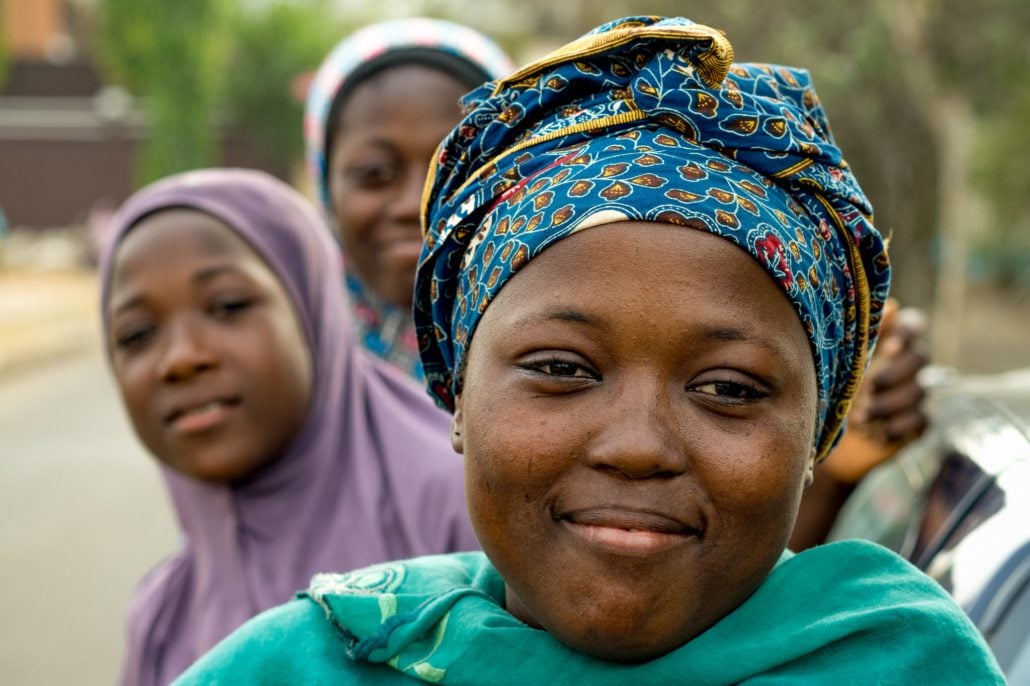
On May 8, 2026, people around the world marked World Ovarian Cancer Day, an annual campaign focused on raising awareness of ovarian cancer. Unfortunately, there are low rates of awareness of ovarian cancer in LMICs, otherwise known as low and middle income countries, making this campaign particularly important.
Ovarian Cancer Awareness
Ovarian cancer poses a significant threat as a gynecological cancer, with many cases diagnosed late due to vague symptoms such as bloating and difficulty eating. These symptoms are often mistaken for other conditions. The day unites health care professionals, advocacy groups, survivors and communities to promote education and fundraising.
#NoWomanLeftBehind Theme
The 2026 theme, #NoWomanLeftBehind, differed from previous years. According to the World Ovarian Cancer Coalition, fewer than 20% of women receive a stage I diagnosis, even in high-income countries like the United Kingdom and the United States. Outcomes and access to recommended treatment vary significantly between countries. This theme emphasizes equitable ovarian cancer outcomes, regardless of location or socioeconomic status.
Global Health Issue
Ovarian cancer remains a major global health issue. About seven in 10 women diagnosed with ovarian cancer die within five years, the highest death-to-diagnosis ratio among the four major women’s cancers. Global cases may rise by 53% by 2050. In lower-middle-income countries, cases are projected to rise by 82%, while cases in low-income countries are projected to rise by 151%.
World Ovarian Cancer Day
In response, leaders from ovarian cancer advocacy organizations worldwide established World Ovarian Cancer Day in 2013. The World Ovarian Cancer Coalition now leads the annual initiative, collaborating with more than 200 partner organizations, from grassroots patient advocacy groups to national health organizations, to promote earlier diagnosis and equitable access to care for women globally.
#ReachForTheScars Campaign
As part of the #NoWomanLeftBehind theme, the World Ovarian Cancer Coalition promoted the #ReachForTheScars campaign. This campaign highlighted the real experiences of women with ovarian cancer, generating 58 million impressions, reaching 164 countries and receiving more than 47,000 social engagements. Global partners, including the World Economic Forum, Union for International Cancer Control and Zentalis, also helped increase visibility. These figures demonstrate the campaign’s global reach and engagement.
The 2018 “Every Woman Study” Findings
In 2018, the World Ovarian Cancer Coalition conducted the Every Woman Study. The goal was to address the evidence gap and identify ways to improve survival and quality of life for women with ovarian cancer. With more than 1,531 women in 44 countries participating, it was the largest-ever global survey of women with ovarian cancer at the time.
The study showed more than two-thirds of respondents had never heard of ovarian cancer or knew little about it before diagnosis, and about nine in 10 respondents experienced multiple symptoms before receiving a diagnosis.
Additionally, access to genetic testing varied dramatically by country, with more than 80% of women who had two or more relatives with ovarian cancer not receiving genetic testing before their diagnosis.
The Every Woman Study – LMIC Edition
Following the 2018 results and the expected rise in ovarian cancer cases, the Every Woman Study: Low- and Middle-Income Edition launched in August 2021. It was a joint initiative between the World Ovarian Cancer Coalition and the International Gynecologic Cancer Society. The goal was to document the experiences of women with ovarian cancer in LMICs on a large scale.
Believing that the original 2018 study was not representative enough of lower-income countries, research was conducted on 2,446 participants across 22 LMICs, including regions such as South Africa, India and Jamaica. Participation occurred through interviews and surveys, with results examining factors like knowledge of ovarian cancer, route to diagnosis, treatment, financial impact and emotional support.
Finally completed in 2025, the study found that only about one in four women had heard of ovarian cancer and knew something about it before diagnosis. Additionally, around three in four women said that ovarian cancer affected their family’s finances, with 29.4% stating that their household income fell below what they needed to live on.
Access to genetic testing and advanced treatments like PARP inhibitors was also limited among participants. Furthermore, one in three women reported traveling more than two hours to reach their treatment center, illustrating yet another barrier to accessing treatment.
Next Steps
The Every Woman Study shows that closing ovarian cancer gaps requires more than awareness alone. Better access to diagnosis, treatment, genetic testing and support is essential, especially in LMICs. As World Ovarian Cancer Day continues to bring global attention to these disparities, its 2026 message, #NoWomanLeftBehind, serves as a reminder that every woman deserves a chance at better care, no matter where she lives.
– Diya Rajkumar
Diya is based in Redmond, Washington, USA and focuses on Good News and Global Health for The Borgen Project.
Photo: Flickr
